Industrial Coatings Cost Risks Often Missed in 2026
Key Takeaways
- How grid access delays are reshaping renewable project timelines in Latin AmericaDr. Elena Volt
- What drives energy storage systems price per kWh for commercial projects?Dr. Julian Volt
- What manufacturers should compare in emissions tracking softwareLina Cloud
- Why high-net-worth buyers are reshaping demand for automotive technologyDr. Aris Sun
- Can project tender intelligence software improve bid opportunity quality?Lina Cloud
- Which metrics reveal whether a P2P energy trading platform is working?Lina Cloud
- When does strategic link acquisition improve a clean energy site's authority?Dr. Aris Sun
- What drives solar street lighting cost for a new installation?Dr. Aris Sun
Industry Overview
Our mission is to safeguard the future of global renewable energy development through verifiable data, interdisciplinary academic scrutiny, and unwavering industry integrity.
In 2026, financial approval for renewable energy and smart-grid infrastructure cannot treat industrial coatings as a minor maintenance item.
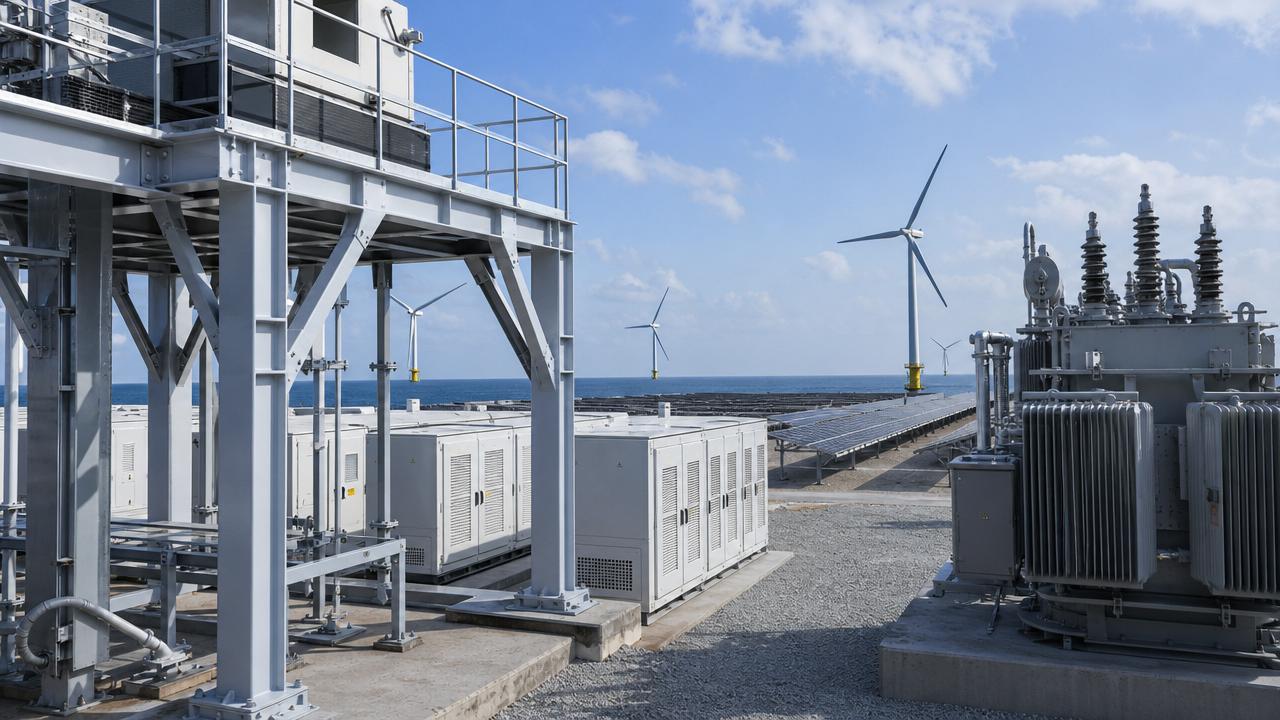
Offshore wind towers, solar mounting systems, BESS enclosures, substations, and UHV assets all depend on coating performance.
When industrial coatings fail, the visible repair cost is rarely the largest loss. Downtime, warranty conflict, safety exposure, and compliance delays often dominate.
Industrial Coatings Cost Risks Often Missed in 2026 Energy Infrastructure
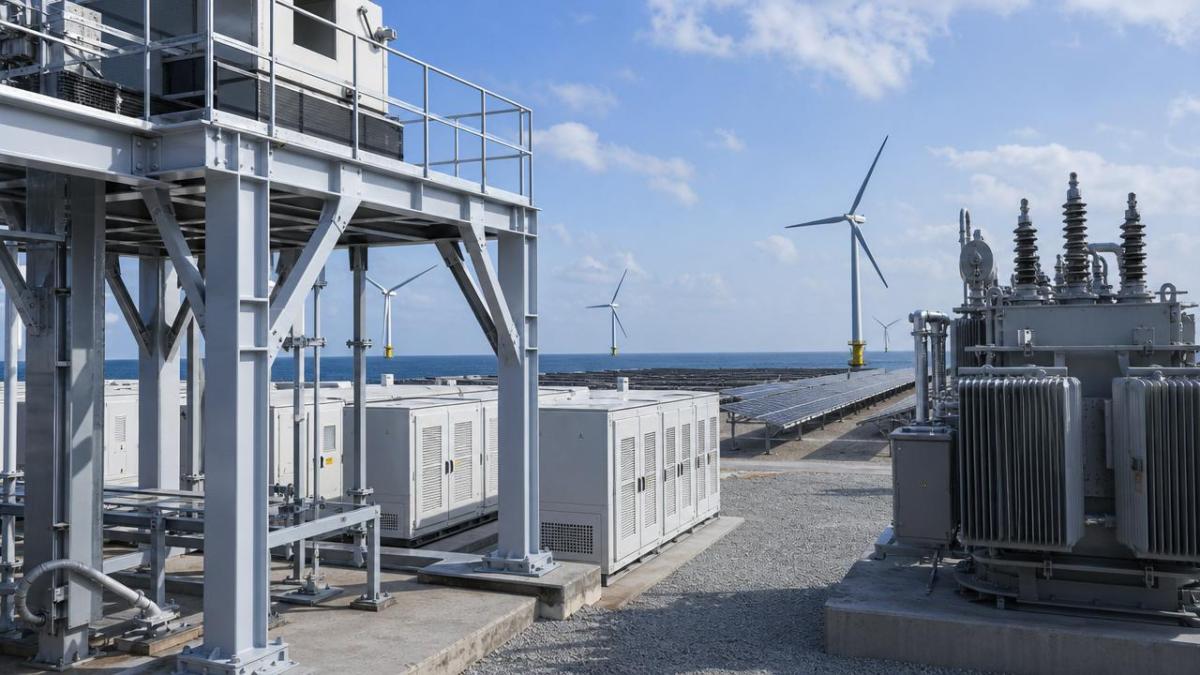
The cost risk of industrial coatings is rising because renewable assets now operate in harsher, more distributed, and more regulated environments.
A coating decision once judged by price per liter now affects lifecycle availability, grid reliability, and contractual bankability.
Large projects also face fragmented ownership. Engineering, EPC, asset operation, and insurers may interpret coating responsibility differently.
This makes industrial coatings a scenario-based cost decision, not a simple material purchase.
Scenario Background: Why Coating Needs Differ by Asset, Climate, and Downtime Cost
Industrial coatings must match the asset’s corrosion class, expected service life, access difficulty, and failure consequence.
A desert solar farm may prioritize UV stability, sand abrasion resistance, and fast field application.
An offshore wind foundation demands marine corrosion protection, edge retention, cathodic compatibility, and inspection reliability.
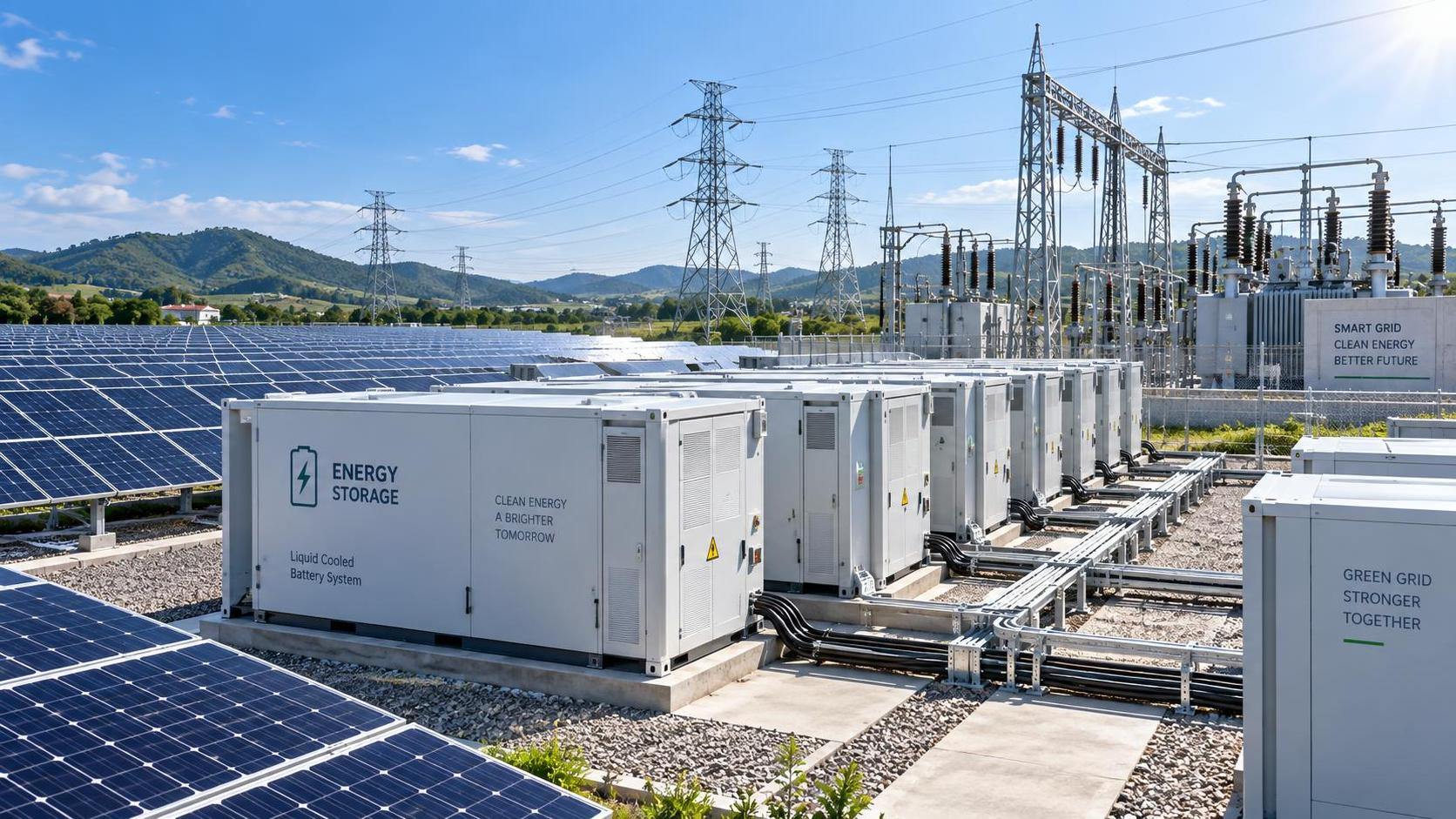
A battery energy storage enclosure needs corrosion resistance, thermal stability, chemical tolerance, and fire-adjacent durability.
A smart substation requires dielectric safety, grounding compatibility, weather resistance, and predictable maintenance intervals.
Therefore, industrial coatings should be assessed through use-case exposure, not by generic coating category alone.
Scenario One: Offshore Wind Assets Where Access Cost Multiplies Coating Failure
Offshore wind is one of the highest-risk scenarios for industrial coatings cost misjudgment.
Repair work may require vessels, weather windows, rope access, shutdown coordination, and specialist inspection.
A low-cost coating system can appear attractive during fabrication but become expensive after installation.
Key judgment points include ISO 12944 marine classification, salt spray data, immersion zones, weld treatment, and surface preparation tolerance.
Industrial coatings for offshore towers and foundations should also consider fatigue zones and coating damage during transport.
Scenario Two: Solar PV Structures Where Volume Turns Small Errors into Large Losses
Utility-scale solar projects contain thousands of brackets, fasteners, frames, cable trays, and support components.
Small coating defects can scale into major inspection, replacement, and warranty administration costs.
In arid regions, industrial coatings must withstand UV exposure, temperature cycling, dust abrasion, and alkaline soil conditions.
In coastal solar zones, chloride exposure can accelerate corrosion on mounting systems and electrical housings.
The core cost question is not only coating price. It is whether protection remains stable across repetitive, distributed components.
Scenario Three: BESS Enclosures Where Coating Risk Links to Safety and Availability
Battery energy storage systems create a different industrial coatings risk profile.
Enclosures may face humidity, condensation, thermal cycling, cleaning chemicals, and localized electrolyte-related exposure.
Coating breakdown can lead to corrosion, seal degradation, door misalignment, and reduced enclosure integrity.
In grid-scale BESS, availability guarantees and safety documentation make minor coating failures commercially sensitive.
Industrial coatings used around BESS assets should be assessed with thermal design, ventilation strategy, and enclosure classification.
Scenario Four: Substations and UHV Assets Where Compliance Risk Becomes Cost Risk
Smart substations, UHV corridors, transformers, and switchgear yards require coating decisions aligned with reliability engineering.
Industrial coatings in these sites must support corrosion protection without compromising grounding, heat dissipation, or inspection visibility.
Failure can generate asset outage risk, emergency repair premiums, and regulatory reporting burdens.
For exposed steelwork, coating selection should reflect pollution levels, ice load, UV exposure, and maintenance access limits.
For cabinets and control housings, finish durability matters because water ingress often follows corrosion at seams and penetrations.
Different Scenario Demands for Industrial Coatings
The same industrial coatings specification can perform differently when exposure, maintenance access, and failure consequence change.
Scenario mapping prevents under-protection in high-risk assets and over-spending in lower-risk components.
Cost Elements Hidden Behind the Coating Purchase Price
The first hidden cost is surface preparation. Poor blasting, contamination, or profile mismatch can defeat premium industrial coatings.
The second is application complexity. Multi-layer systems may require controlled curing windows, humidity limits, and skilled applicators.
The third is inspection cost. Dry film thickness, adhesion, holiday detection, and visual standards require documented verification.
The fourth is logistics damage. Transport, lifting, bolting, and installation can compromise edges and welded areas.
The fifth is downtime. A repair that stops power generation or grid service carries cost beyond labor and material.
- Include access equipment, outage scheduling, and weather delay in coating economics.
- Compare industrial coatings by service life evidence, not only quoted unit cost.
- Review warranty wording for exclusions linked to preparation, transport, or maintenance.
- Check whether inspection records are sufficient for claims and financing review.
Scenario Fit Recommendations Before Approval
A practical approval process should connect industrial coatings to asset criticality and operating environment.
Start with corrosion category, design life, inspection interval, and repair accessibility.
Then validate whether coating data reflects the actual environment, not only laboratory ideal conditions.
- Define the exposure scenario for every major asset group.
- Specify surface preparation, layer system, thickness range, and curing conditions.
- Require evidence against ISO, IEC, UL, or relevant local requirements.
- Model total ownership cost, including downtime, inspection, and repair mobilization.
- Align industrial coatings documentation with warranty, insurance, and handover records.
This method helps avoid both under-specified protection and excessive coating systems with limited operational value.
Common Misjudgments in Industrial Coatings Decisions
One common mistake is assuming factory-applied protection remains intact after logistics and installation.
Edges, bolt holes, welds, lifting points, and contact surfaces often fail first.
Another mistake is treating galvanizing, powder coating, and liquid industrial coatings as interchangeable options.
Each system has different repairability, adhesion behavior, corrosion performance, and field inspection requirements.
A third mistake is overlooking compatibility between coatings, sealants, fire protection materials, and electrical components.
In BESS and substations, compatibility issues can become reliability risks, not just cosmetic defects.
A fourth mistake is accepting vague warranty claims without maintenance obligations and inspection thresholds.
Warranty value depends on measurable acceptance criteria, records, repair procedures, and responsibility boundaries.
How G-REI Frames Industrial Coatings Risk for 2026 Projects
G-REI evaluates renewable and smart-grid assets through technical benchmarking, regulatory alignment, and commercial intelligence.
Within that framework, industrial coatings are assessed as part of asset resilience and lifecycle performance.
For solar, wind, storage, UHV, and energy internet infrastructure, coating performance affects bankability and operational confidence.
Benchmarking should connect coating specifications with IEC, IEEE, UL, ISO, project tender requirements, and grid-access obligations.
This approach turns industrial coatings from a narrow material item into a measurable risk-control layer.
Action Guide: Build a Coating Risk Review Before Final Approval
Before approving large-scale infrastructure budgets, create a coating risk review for each major asset category.
The review should include exposure mapping, specification evidence, inspection plans, logistics controls, and lifecycle cost assumptions.
Industrial coatings should be scored by failure consequence, not only supplier quotation.
High-access-cost assets require stronger documentation, tougher acceptance criteria, and clearer repair procedures.
Lower-risk assets still need consistency controls because repeated small defects can become portfolio-level losses.
The next practical step is to compare current specifications against asset scenarios, downtime value, and warranty enforceability.
That comparison reveals whether industrial coatings are protecting the project’s lifecycle economics or quietly adding avoidable cost risk.
Deep Dive
Related Intelligence
- Why high-net-worth buyers are reshaping demand for automotive technologyAuthor :

- When does strategic link acquisition improve a clean energy site's authority?Author :

- What drives solar street lighting cost for a new installation?Author :

- How much do livestock management software solutions cost?Author :