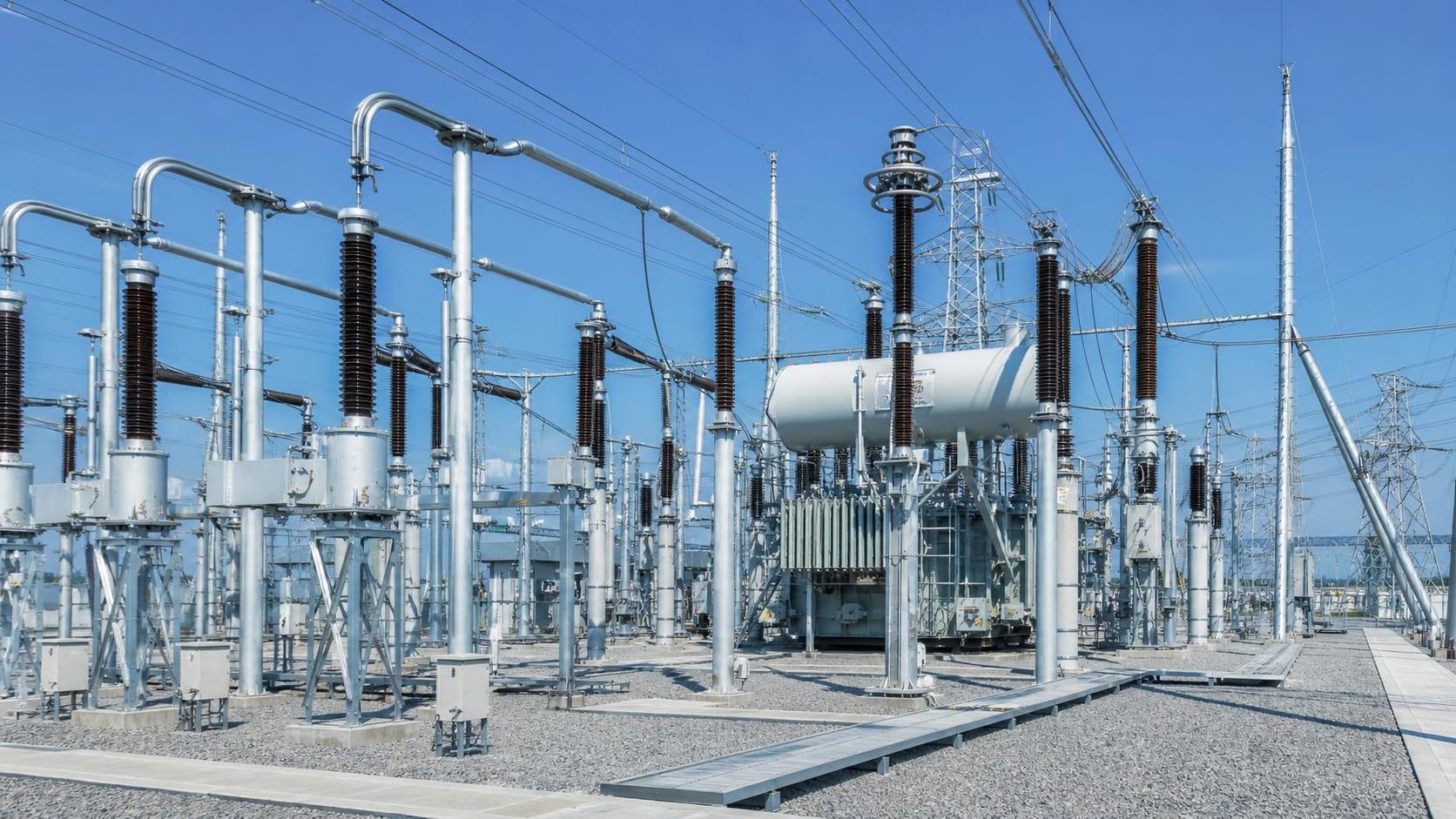
How to Evaluate UHV Switchgear for Substation Reliability
Key Takeaways
- How grid access delays are reshaping renewable project timelines in Latin AmericaDr. Elena Volt
- What drives energy storage systems price per kWh for commercial projects?Dr. Julian Volt
- What manufacturers should compare in emissions tracking softwareLina Cloud
- Why high-net-worth buyers are reshaping demand for automotive technologyDr. Aris Sun
- Can project tender intelligence software improve bid opportunity quality?Lina Cloud
- Which metrics reveal whether a P2P energy trading platform is working?Lina Cloud
- When does strategic link acquisition improve a clean energy site's authority?Dr. Aris Sun
- What drives solar street lighting cost for a new installation?Dr. Aris Sun
Industry Overview
Our mission is to safeguard the future of global renewable energy development through verifiable data, interdisciplinary academic scrutiny, and unwavering industry integrity.
Why UHV Switchgear Evaluation Shapes Substation Reliability
For technical evaluators responsible for substation uptime, selecting the right UHV switchgear is a high-stakes decision that affects insulation coordination, fault interruption, lifecycle cost, and grid resilience.
This guide outlines how to assess UHV switchgear against performance standards, environmental conditions, and long-term reliability metrics, helping procurement and engineering teams make defensible, data-driven choices for modern power infrastructure.
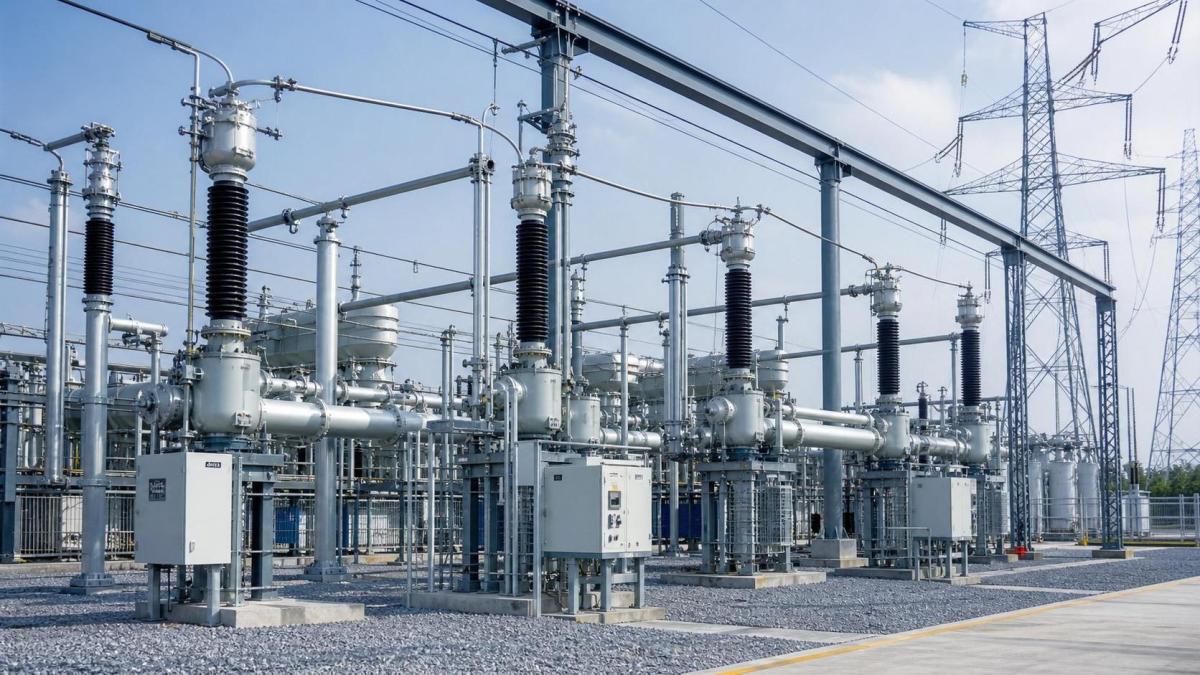
UHV switchgear sits at the center of substation continuity. When it fails, the impact is rarely limited to one breaker bay or one feeder.
It can trigger wider outage exposure, insulation stress, delayed restoration, and expensive root-cause investigations. That is why evaluation must go beyond nameplate ratings.
A practical UHV switchgear review asks a simple question: will this equipment remain stable under real operating stress for decades, not just during factory tests?
In actual projects, the answer depends on dielectric design, interruption capability, mechanical endurance, digital monitoring, and service support.
It also depends on how well the UHV switchgear matches grid topology, fault levels, switching duty, site contamination, and maintenance strategy.
Start with the Substation Duty Profile
Before comparing vendors, define the operating envelope. Many weak procurement decisions start with incomplete duty assumptions.
For UHV switchgear, voltage class alone is not enough. The switching environment matters just as much.
- System nominal voltage and maximum operating voltage
- Short-circuit current and X/R ratio at the point of installation
- Load switching frequency and expected transient recovery voltage
- Out-of-phase switching requirements
- Altitude, temperature range, humidity, pollution severity, and seismic class
- Substation layout constraints and future expansion plans
This is where many UHV switchgear evaluations become more realistic. A technically acceptable unit may still be a poor fit for the duty cycle.
For example, sites with frequent switching and high contamination need stronger confidence in both interruption consistency and external insulation behavior.
Check Standards Compliance, but Go Further
Compliance with IEC and IEEE standards is the starting point, not the final decision point.
A robust UHV switchgear assessment should verify both mandatory tests and evidence from extended type validation.
Look closely at dielectric tests, short-time current tests, making and breaking capacity, temperature rise, and mechanical endurance results.
More importantly, ask how the tested configuration compares with the offered configuration. Small deviations can change reliability assumptions.
In recent projects, a clearer signal has been the depth of traceable validation data. Strong suppliers can explain margins, not just certificates.
- Request complete type test reports, not only summaries
- Confirm test conditions, test laboratory, and revision dates
- Verify whether accessories were included in tested assemblies
- Check whether seismic and pollution performance were separately validated
A UHV switchgear supplier that cannot clearly map test evidence to the final bill of materials creates avoidable acceptance risk.
Evaluate Dielectric Design and Insulation Coordination
For UHV switchgear, insulation performance is one of the most decisive reliability factors.
The evaluation should connect equipment design with the system insulation coordination study. This includes lightning impulse, switching impulse, and power-frequency withstand levels.
Do not treat insulation as a static number. Real exposure changes with altitude, contamination, moisture, and overvoltage behavior.
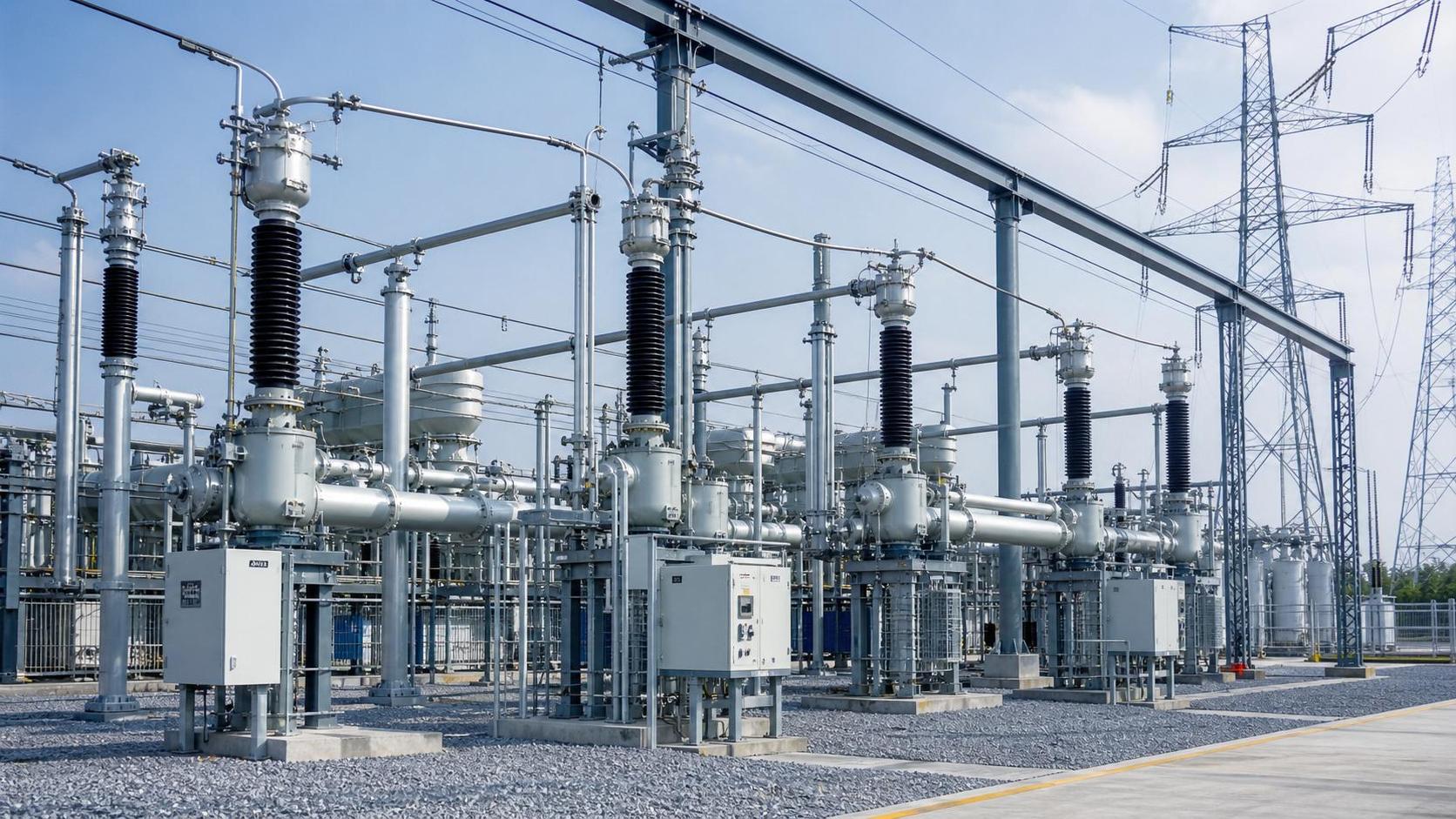
For outdoor UHV switchgear, creepage distance, field grading, and enclosure design deserve detailed review. These elements directly affect flashover risk.
For gas-insulated solutions, examine gas compartment integrity, leakage rates, moisture control, and pressure monitoring architecture.
This also means asking whether the UHV switchgear can maintain dielectric margins after years of thermal cycling and mechanical operation.
Questions that uncover insulation risk
- How does the design perform under site-specific pollution class?
- What derating applies at the project altitude?
- How are partial discharge risks controlled and monitored?
- What sealing strategy protects long-term dielectric stability?
Focus on Interruption Performance Under Real Fault Conditions
A UHV switchgear decision is ultimately a fault-management decision. The equipment must interrupt severe faults predictably, repeatedly, and without harmful degradation.
Review rated short-circuit breaking current, making current, and operating sequence. Then compare those values with the network’s fault evolution scenarios.
Transient recovery voltage deserves special attention. In some systems, TRV duty exposes weaknesses that generic specification sheets barely address.
Also examine capacitive current switching, reactor switching, and long-line charging current interruption where relevant. These duties can define service behavior.
The stronger suppliers usually provide application notes, field references, and post-fault inspection data. That documentation gives the UHV switchgear review more substance.
Measure Mechanical Endurance and Maintenance Burden
Substation reliability is not only electrical. Mechanical reliability often determines whether a breaker remains dependable after years of service.
In practice, UHV switchgear should be evaluated for operating mechanism durability, contact wear behavior, lubrication stability, and tolerance to switching frequency.
Ask for mean time between maintenance, recommended inspection intervals, spare parts replacement logic, and field failure statistics by component.
This is also where lifecycle cost becomes clearer. Lower acquisition cost can hide higher outage exposure and more frequent planned maintenance.
Review Digital Monitoring, Diagnostics, and Service Support
Today, the best UHV switchgear options are not just strong hardware. They also improve visibility into asset condition.
Condition monitoring can reduce uncertainty around contact wear, gas density, mechanism health, operating counts, and insulation degradation.
That matters even more in large substations, remote renewable corridors, and networks with limited maintenance windows.
During UHV switchgear evaluation, check whether monitoring outputs integrate cleanly with SCADA, substation automation, and asset management platforms.
Service support is equally important. Spare parts availability, regional field teams, commissioning capability, and response times directly affect restoration performance.
In business terms, this means reliability is partly engineered and partly supported. Weak after-sales capability can cancel out strong equipment design.
Build a Defensible UHV Switchgear Decision Framework
A good selection process turns technical judgment into a documented decision model.
Use weighted scoring across reliability-critical categories. Avoid single-factor selection based on price or voltage rating.
- Define duty profile and site constraints.
- Screen UHV switchgear options against standards and test evidence.
- Score dielectric design, interruption performance, and mechanical endurance.
- Compare maintenance burden and lifecycle cost.
- Review diagnostics, interoperability, and supplier support capacity.
- Validate the top candidates through technical clarification and reference checks.
This approach makes the UHV switchgear recommendation easier to defend internally. It also reduces the gap between engineering priorities and procurement decisions.
When reliability is the target, the right answer is rarely the cheapest unit. It is the one that performs with the least uncertainty over its operating life.
The most useful next step is to turn these criteria into a formal evaluation checklist, then test every UHV switchgear offer against the same evidence standard.
That is how substation reliability becomes a measurable procurement outcome instead of a hopeful assumption.
Deep Dive
Related Intelligence
- How to size UHV equipment for grid projects with high fault levelsAuthor :

- How to Evaluate UHV Switchgear for Substation ReliabilityAuthor :

- Smart Grid Solutions for Substations in Retrofit Projects: Where ROI Comes FromAuthor :

- Smart Grid Solutions for Substations: 5 Checks Before System SelectionAuthor :