How to Compare Wholesale TOPCon Solar Panels by Yield and Degradation
Key Takeaways
- China IGBT Market Seen Reaching RMB 27.23 Billion by 2026Marcus Wind
- Huawei Unveils Grid-Forming Strategy for New Energy IntegrationDr. Aris Sun
- IEA Lifts Power Demand Growth Outlook to 3.6%Dr. Elena Volt
- China Opens Multi-User Green Power Supply to AI and Green HydrogenDr. Julian Volt
- Texas Rule Shifts Grid Upgrade Costs to Data CentersDr. Elena Volt
- Edge Computing Hardware for IoT Applications: Cost vs PerformanceDr. Julian Volt
- Fiber Optic Equipment for Telecommunications: Key Specs That MatterDr. Elena Volt
- How to Reduce Micro-Inverter Clipping Loss in Peak Sun HoursDr. Aris Sun
Industry Overview
Our mission is to safeguard the future of global renewable energy development through verifiable data, interdisciplinary academic scrutiny, and unwavering industry integrity.
For procurement teams evaluating wholesale TOPCon solar panels, headline wattage alone is not enough. Long-term yield, annual degradation, warranty structure, and field performance all determine true project value and bankability. This guide explains how to compare TOPCon modules with a data-driven approach, helping buyers reduce lifecycle risk, optimize LCOE, and make more confident sourcing decisions across utility-scale and commercial solar portfolios.
Why procurement teams should compare wholesale TOPCon solar panels beyond nameplate power
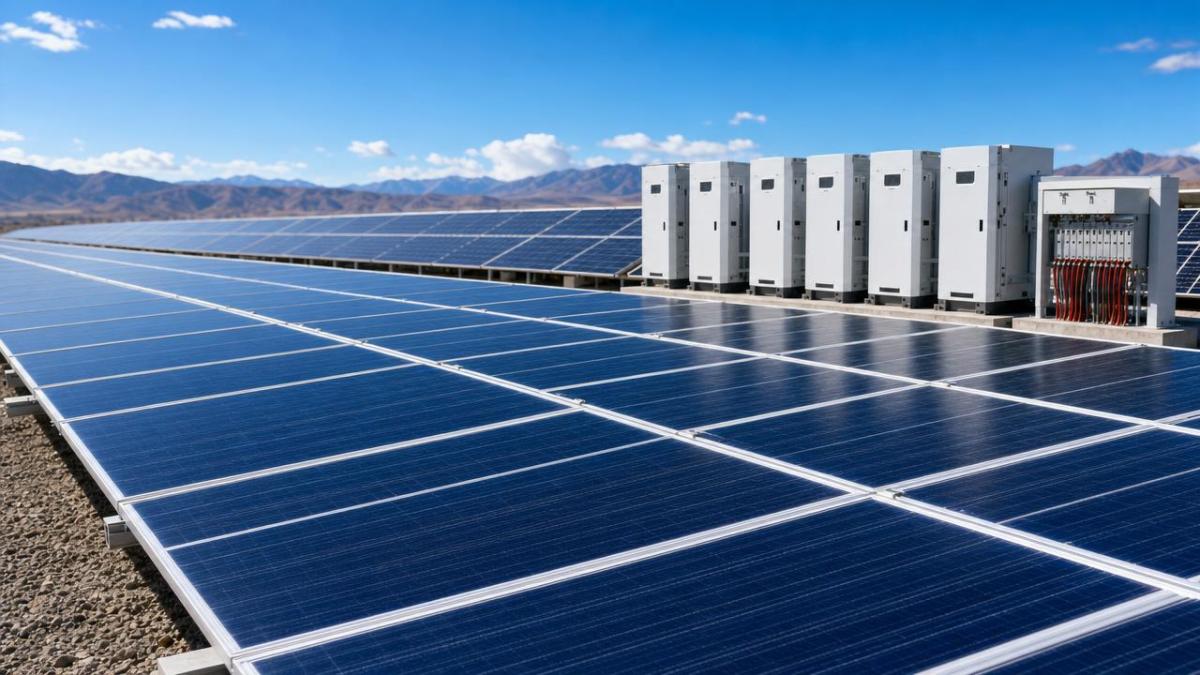
Many buyers still start with wattage, unit price, and container quantity. That approach is fast, but it often misses what matters most over 25 to 30 years: real energy output, degradation trajectory, operating conditions, and claimable warranty support.
When comparing wholesale TOPCon solar panels, procurement decisions should connect module data with project finance, grid constraints, and long-term asset management. A module that looks cheaper per watt can become more expensive per delivered kilowatt-hour if degradation, temperature behavior, or mismatch losses are overlooked.
This is especially relevant for utility-scale developers, EPC firms, and commercial portfolio buyers that must balance capex, schedule, compliance, and bankability. In these cases, the procurement process is not only about buying panels. It is about protecting project yield and ensuring predictable returns.
- Yield determines how much electricity the asset can actually generate under site-specific irradiance, temperature, and system design conditions.
- Degradation determines how quickly output declines, directly affecting long-term revenue models and PPA assumptions.
- Warranty terms determine how much of the technical risk remains with the buyer if measured performance falls short.
- Supply consistency determines whether the delivered batches match the tested specifications and approved bill of materials.
What yield really means when evaluating wholesale TOPCon solar panels
Yield is not identical to module efficiency. Efficiency shows how effectively a module converts sunlight under standard test conditions. Yield is broader. It reflects how the module performs over time in actual operating environments, including hot climates, low irradiance periods, soiling conditions, and string-level design constraints.
For wholesale TOPCon solar panels, buyers should pay close attention to the parameters that influence energy harvest after installation. TOPCon technology is typically selected because it can offer strong efficiency, improved low-light response, and competitive temperature behavior, but actual results still vary by manufacturer and design configuration.
Key yield indicators that matter in procurement
The table below helps procurement teams compare wholesale TOPCon solar panels using practical yield indicators rather than relying only on front-label wattage.
A procurement team should convert these indicators into project-level simulations. G-REI’s benchmarking approach is valuable here because it frames panel selection within wider system performance, international standards, and commercial risk, rather than treating the module as an isolated commodity item.
Questions to ask suppliers before shortlisting
- What is the tested power tolerance and how is flash test consistency managed across shipments?
- Which cell format, glass design, and junction box configuration are used in the proposed wholesale TOPCon solar panels?
- What third-party reports support low-light performance, bifacial response, and thermal behavior?
- How are binning, packaging, and serial traceability controlled for utility-scale deployment?
How to compare degradation rates without falling for oversimplified claims
Degradation is one of the most critical variables in wholesale TOPCon solar panels because it shapes asset performance long after procurement is complete. Buyers should review both first-year degradation and annual linear degradation after year one. The combination determines the guaranteed retained output in later years.
Not all degradation promises carry equal weight. The headline warranty percentage may look similar across suppliers, but the practical value depends on claim thresholds, measurement methods, exclusions, and the financial credibility behind the warranty.
A practical degradation comparison framework
Use this comparison model to evaluate wholesale TOPCon solar panels more rigorously during tender review and technical due diligence.
For institutional buyers, degradation should be tied directly to LCOE modeling. A lower purchase price can be offset by higher long-term energy loss. This is why G-REI’s technical benchmarking mindset matters: procurement should integrate lifecycle economics, not just unit purchase economics.
Which technical and commercial criteria should buyers score side by side?
A structured scorecard helps procurement teams compare wholesale TOPCon solar panels across multiple suppliers without letting one attractive metric dominate the decision. Yield and degradation remain central, but they should be judged alongside compliance, logistics, and supply assurance.
Recommended procurement scorecard
The following scorecard can be adapted for utility-scale tenders, C&I portfolios, or regional framework agreements covering wholesale TOPCon solar panels.
This type of scorecard is useful because procurement often operates under deadline pressure. It creates a repeatable comparison method and reduces the chance that wholesale TOPCon solar panels are selected purely on spot price or brochure efficiency.
How project scenario changes the right TOPCon panel choice
Not every project should choose the same module configuration. The best wholesale TOPCon solar panels for a desert utility project may not be the best choice for a commercial rooftop portfolio or a coastal site with high humidity and salt exposure.
Scenario-based selection logic
- For utility-scale ground mount, prioritize energy yield modeling, bifacial performance assumptions, and supply consistency across large volumes.
- For commercial rooftops, focus on module dimensions, weight, BOS simplification, and return on constrained roof area.
- For hot climates, place extra weight on temperature coefficient, ventilation design compatibility, and proven field durability.
- For coastal or humid regions, ask for environmental resistance evidence and clear documentation on corrosion-related test suitability.
Buyers in diversified portfolios should avoid one-size-fits-all sourcing. A portfolio-level strategy may use different wholesale TOPCon solar panels depending on site class, financing requirements, and local compliance needs.
What standards and compliance documents should procurement request?
Certification is not a box-ticking exercise. It affects customs clearance, insurer confidence, lender review, and project acceptance. Procurement teams should request documents early, especially when buying wholesale TOPCon solar panels for cross-border deployment.
- IEC-related module safety and performance documents relevant to the target market.
- UL or equivalent documentation where project region or customer specification requires it.
- Factory and batch traceability records supporting shipped product consistency.
- Warranty text, claim workflow, and technical datasheets aligned with the offered bill of materials.
- Packaging, palletization, and handling instructions that affect breakage risk and site receiving procedures.
G-REI’s advantage in this area is the ability to frame module procurement within broader infrastructure requirements. For sophisticated buyers, panel compliance is connected to storage integration, smart distribution, and grid-interconnection planning, not treated as a separate paperwork issue.
Common mistakes when comparing wholesale TOPCon solar panels
Mistake 1: Treating lower price per watt as lower project cost
Lower module pricing may be offset by lower yield, higher degradation, larger replacement risk, or extra BOS requirements. Procurement should compare cost per lifetime delivered kilowatt-hour, not only invoice price.
Mistake 2: Ignoring warranty mechanics
Some buyers review warranty duration but not claimability. Response obligations, testing protocols, replacement basis, and jurisdiction matter. A long warranty without workable remedies may have limited practical value.
Mistake 3: Using generic climate assumptions
A panel that performs well in one climate may not deliver the same advantage elsewhere. Site-specific irradiance, temperature, humidity, and albedo assumptions should inform the comparison of wholesale TOPCon solar panels.
Mistake 4: Failing to verify shipment consistency
Approval samples and mass delivery are not always identical in practice. Procurement should require traceability, batch records, and documentation alignment between tested units and shipped units.
FAQ for buyers sourcing wholesale TOPCon solar panels
How should I compare two TOPCon modules with similar wattage?
Start with annual energy modeling, then review first-year and linear degradation, temperature coefficient, bifacial assumptions, warranty enforceability, and compliance suitability. Similar wattage does not mean similar lifetime value.
Are wholesale TOPCon solar panels always the best choice over other module types?
Not always. TOPCon is often attractive for high-efficiency and long-term performance strategies, but the right choice depends on site conditions, financing model, balance-of-system constraints, and supplier reliability. Technology fit should be tested against the project case.
What procurement documents should be requested before final approval?
Request technical datasheets, warranty documents, certification files, packing details, serial traceability policy, relevant test reports, and clear commercial terms. For large projects, buyers should also confirm batch control and pre-shipment inspection logic.
How much weight should degradation have in the final decision?
For utility-scale and financed projects, degradation should carry major weight because it directly affects long-term output and asset value. Even modest differences can materially change LCOE and lifetime revenue when modeled across decades.
Why work with us when evaluating wholesale TOPCon solar panels
G-REI supports procurement teams that need more than brochure comparisons. We connect module benchmarking with grid-level thinking, commercial intelligence, and standards-based technical review. That is especially useful for buyers managing large renewable portfolios, multi-country tenders, or projects with strict lender and compliance requirements.
You can contact us for practical support on parameter confirmation, side-by-side product selection, degradation and yield review, applicable certification checks, delivery timeline assessment, sample evaluation logic, and quotation comparison across sourcing options.
If your team is comparing wholesale TOPCon solar panels for utility-scale, C&I, or cross-border procurement, we can help structure the evaluation around lifetime performance, compliance fit, and bankable sourcing decisions rather than short-term price alone.