Global Digital Landscape Trends Reshaping VPP Platforms
Key Takeaways
- How grid access delays are reshaping renewable project timelines in Latin AmericaDr. Elena Volt
- What drives energy storage systems price per kWh for commercial projects?Dr. Julian Volt
- What manufacturers should compare in emissions tracking softwareLina Cloud
- Why high-net-worth buyers are reshaping demand for automotive technologyDr. Aris Sun
- Can project tender intelligence software improve bid opportunity quality?Lina Cloud
- Which metrics reveal whether a P2P energy trading platform is working?Lina Cloud
- When does strategic link acquisition improve a clean energy site's authority?Dr. Aris Sun
- What drives solar street lighting cost for a new installation?Dr. Aris Sun
Industry Overview
Our mission is to safeguard the future of global renewable energy development through verifiable data, interdisciplinary academic scrutiny, and unwavering industry integrity.
Why is the Global Digital Landscape changing the role of VPP platforms so quickly?
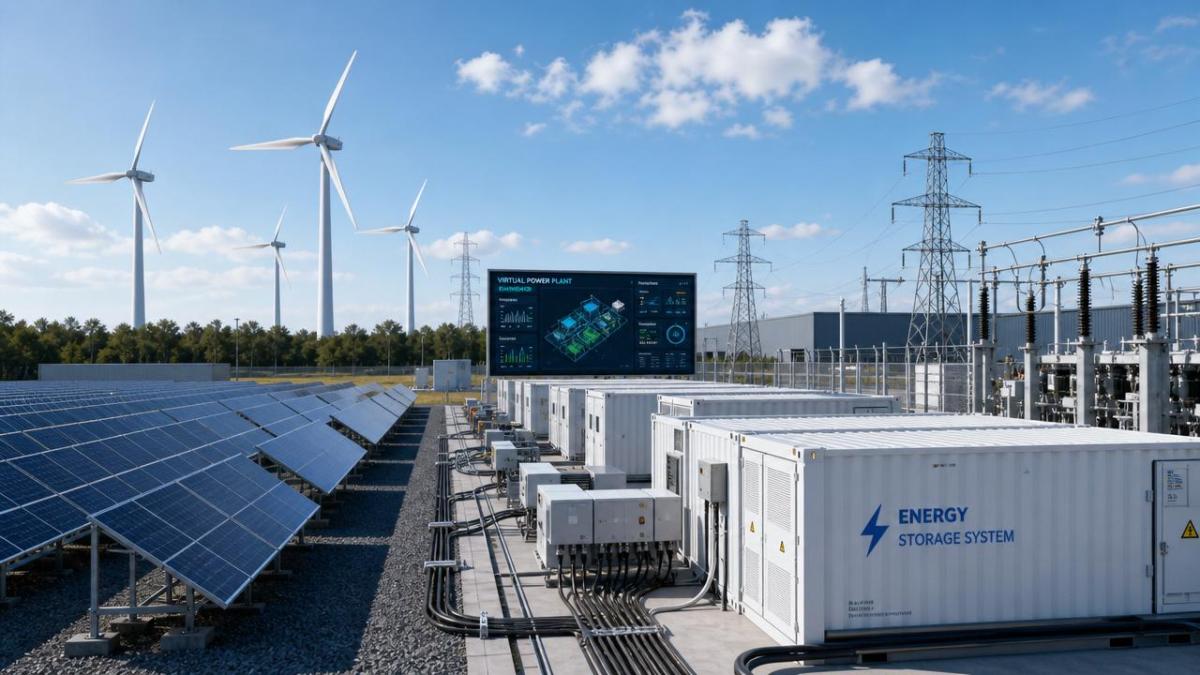
The Global Digital Landscape is no longer just about software maturity or cloud connectivity.
It now shapes how power markets value flexibility, responsiveness, and distributed intelligence.
That matters because VPP platforms sit at the intersection of renewable generation, storage, demand response, and grid operations.
In practical terms, a virtual power plant is becoming a digital control layer for fragmented energy assets.
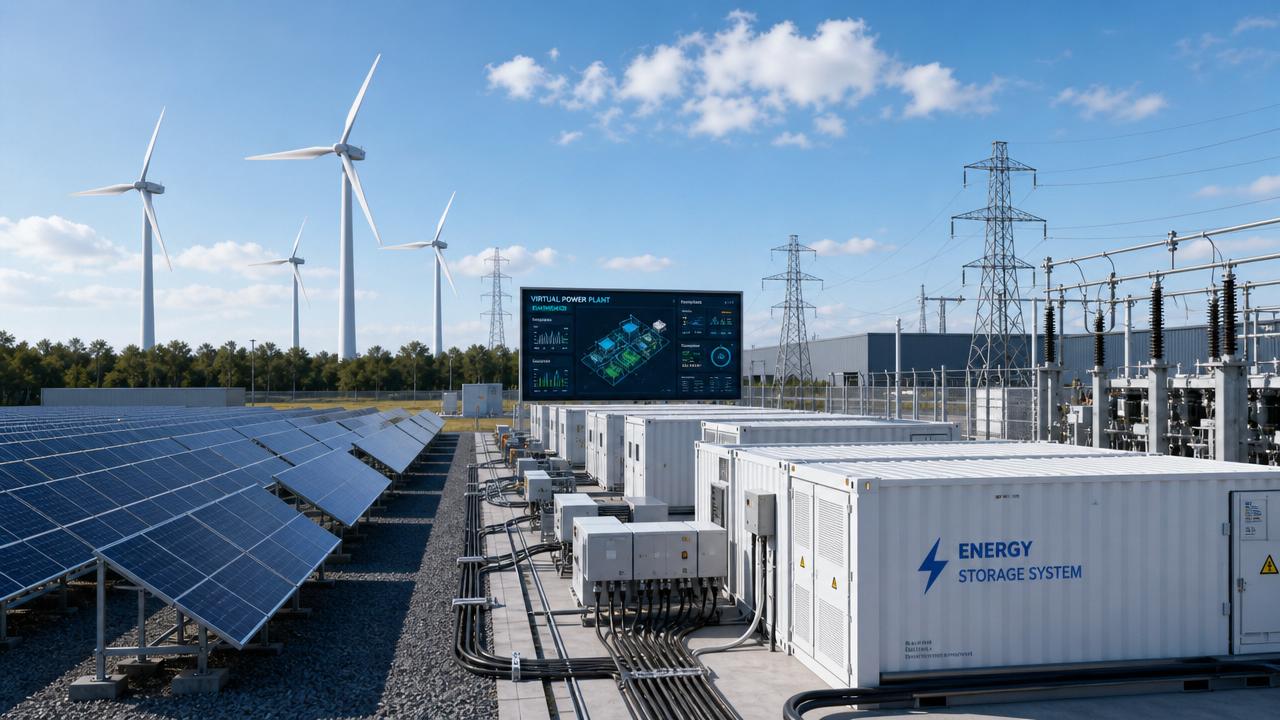
The shift is especially visible across solar PV, wind, BESS, smart distribution, and Energy Internet coordination.
These are also the areas where G-REI tracks technical benchmarks, policy changes, and commercial signals.
So when people ask about the Global Digital Landscape, they are often really asking a deeper question.
Can a VPP platform turn dispersed assets into reliable, tradable, grid-compliant capacity?
The answer depends less on branding and more on orchestration quality, forecasting accuracy, and interoperability.
That is why digital trends now reshape investment logic, operating models, and risk control together.
What trends inside the Global Digital Landscape are having the biggest impact on VPP performance?
Several trends matter, but not all of them influence value in the same way.
Some improve control quality, while others mainly reduce execution friction across markets and devices.
- AI-based forecasting for solar, wind, pricing, and load volatility.
- Edge control that reacts faster than centralized scheduling alone.
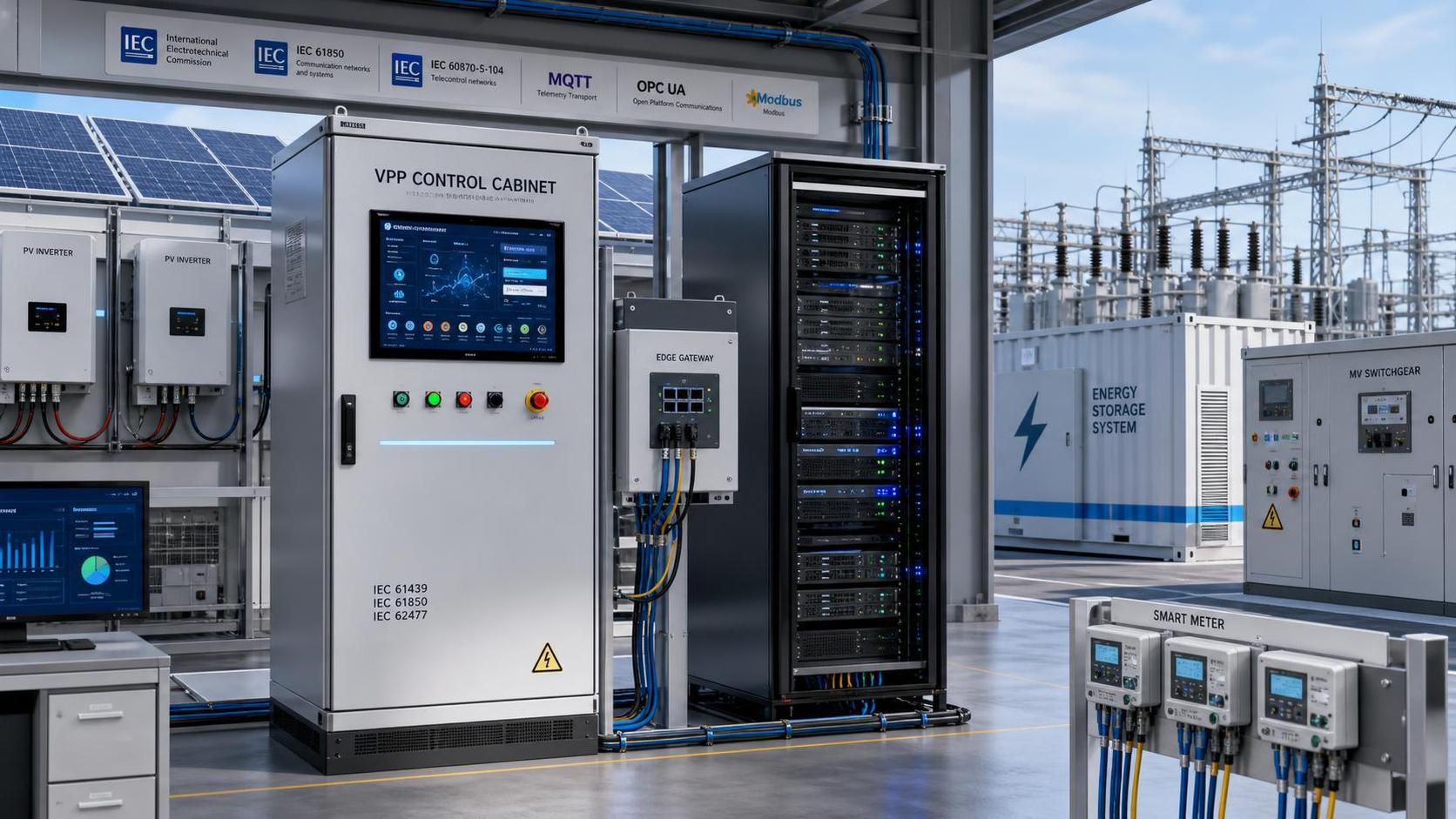
- Interoperability across IEC, IEEE, UL-aligned hardware and grid interfaces.
- Digital twins for asset behavior, dispatch testing, and outage simulation.
- Cybersecurity layers built for distributed endpoints and market participation.
- Real-time revenue optimization across ancillary services, PPA exposure, and curtailment events.
Among these, forecasting is often discussed first, but orchestration is where value is actually realized.
A platform may predict well and still underperform if dispatch logic cannot coordinate batteries, inverters, and flexible loads.
The Global Digital Landscape also raises expectations around latency and verification.
Grid operators increasingly want measurable response quality, not just theoretical aggregation capacity.
That is one reason benchmarking matters.
A data-led framework, like the one used across G-REI research, helps separate market claims from technical delivery.
How can you tell whether a VPP platform is truly ready for real-world deployment?
This is where many evaluations go wrong.
People often focus on dashboards, AI labels, or the number of connected assets.
A better question is whether the platform performs under grid stress, policy variation, and revenue uncertainty.
The table below helps frame that judgment more clearly.
In the Global Digital Landscape, readiness means technical proof plus market fit.
A platform built for one balancing market may struggle elsewhere.
It may also perform differently when asset mix changes from rooftop solar to utility-scale storage.
That is why cross-sector intelligence is useful.
VPP value depends on how software aligns with hardware capabilities, interconnection rules, and revenue pathways.
Where do companies misread the Global Digital Landscape when comparing VPP options?
One common mistake is treating all digital aggregation as equivalent.
In reality, monitoring, optimization, and dispatch are very different maturity levels.
Another mistake is assuming scale alone proves capability.
A platform connected to many devices may still lack deep control over priority assets.
The Global Digital Landscape often rewards those who ask sharper operational questions.
- Can the system manage curtailment without harming battery life?
- Does it optimize against volatile PPA and spot market conditions?
- How does it validate performance for settlement and compliance?
- What happens when communications fail at the edge?
- Can it coordinate across solar, wind, storage, and demand response simultaneously?
More subtle errors happen around data governance.
If ownership, access rights, and model transparency are unclear, long-term control weakens.
That issue grows when third-party optimization engines are layered over existing EMS or SCADA systems.
A careful comparison should include regulatory traceability, not just performance marketing.
This is especially relevant in smart-grid environments shaped by changing access rules and settlement standards.
What implementation risks matter most once a VPP project moves beyond the pilot stage?
Pilot success can create false confidence.
A small test often hides integration strain, inconsistent data quality, and contract complexity.
In the Global Digital Landscape, scale introduces operational friction faster than many teams expect.
The risks that usually surface later
- Asset heterogeneity, especially across mixed inverter and battery brands.
- Communication instability in remote or bandwidth-limited locations.
- Revenue models that depend on market rules still under revision.
- Battery degradation caused by aggressive dispatch logic.
- Compliance gaps between local grid codes and software assumptions.
A mature rollout plan should test more than connectivity.
It should model dispatch conflicts, fallback modes, asset warranties, and settlement disputes.
This is where benchmark-driven evaluation becomes useful again.
G-REI’s multi-pillar view is relevant because VPP software does not operate in isolation.
Its success depends on real hardware behavior, standards alignment, and market timing.
If any of those layers are weak, digital promise turns into operational drag.
How should organizations respond to these Global Digital Landscape trends now?
The best response is not rushing into the most feature-heavy platform.
It is building a cleaner decision framework.
Start by mapping asset types, grid obligations, market participation goals, and data ownership boundaries.
Then compare VPP options against the realities of the Global Digital Landscape, not against presentation claims.
- Define the primary value case: balancing, peak shaving, ancillary services, or renewable firming.
- Verify interoperability with existing PV, wind, BESS, and distribution control systems.
- Review benchmark evidence, including latency, forecast error, and dispatch success rates.
- Stress-test cybersecurity, outage handling, and manual override logic.
- Track policy shifts, PPA signals, and interconnection updates that affect revenue stability.
The larger point is simple.
The Global Digital Landscape is reshaping VPP platforms from optional software into critical infrastructure logic.
That changes how performance should be judged.
The strongest choices usually come from combining technical verification, standards awareness, and commercial intelligence.
A practical next step is to document key scenarios, compare platform responses, and establish decision criteria before scaling.
That approach reduces noise and makes the Global Digital Landscape easier to navigate with confidence.
Deep Dive
Related Intelligence