IRENA: 692 GW Renewable Capacity Added Globally in 2025
Key Takeaways
- How grid access delays are reshaping renewable project timelines in Latin AmericaDr. Elena Volt
- What drives energy storage systems price per kWh for commercial projects?Dr. Julian Volt
- What manufacturers should compare in emissions tracking softwareLina Cloud
- Why high-net-worth buyers are reshaping demand for automotive technologyDr. Aris Sun
- Can project tender intelligence software improve bid opportunity quality?Lina Cloud
- Which metrics reveal whether a P2P energy trading platform is working?Lina Cloud
- When does strategic link acquisition improve a clean energy site's authority?Dr. Aris Sun
- What drives solar street lighting cost for a new installation?Dr. Aris Sun
Industry Overview
Our mission is to safeguard the future of global renewable energy development through verifiable data, interdisciplinary academic scrutiny, and unwavering industry integrity.
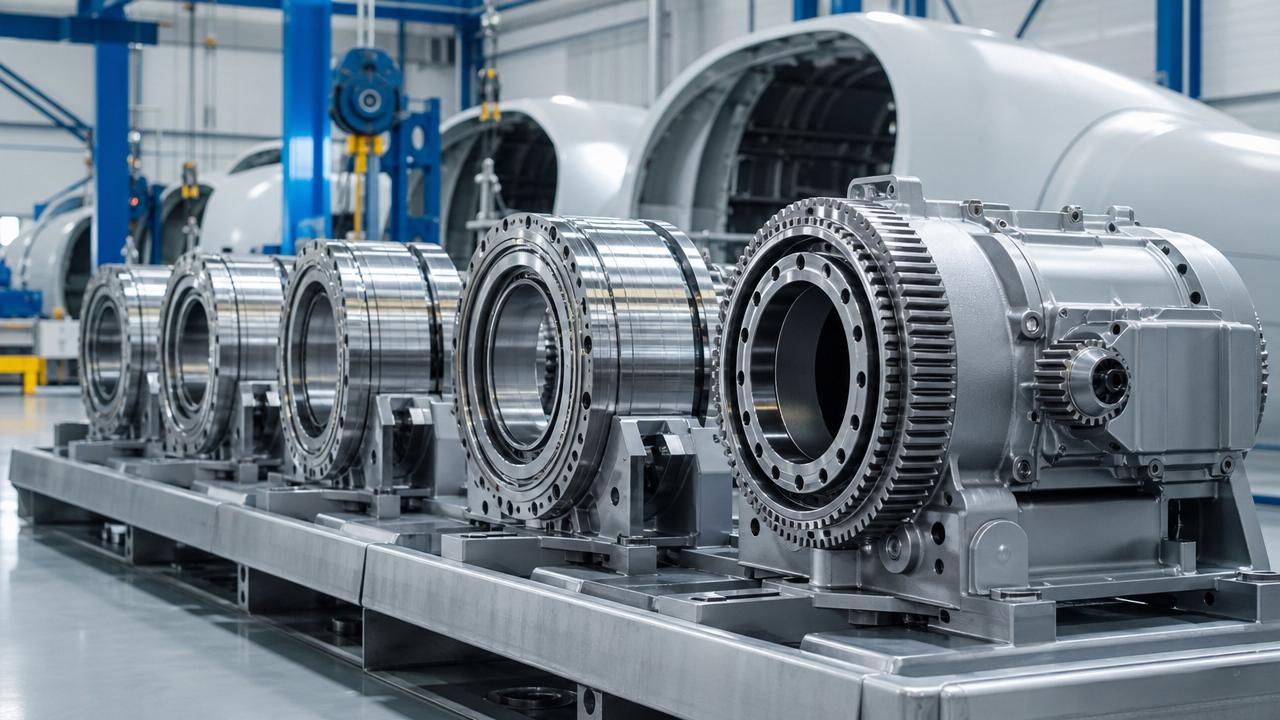
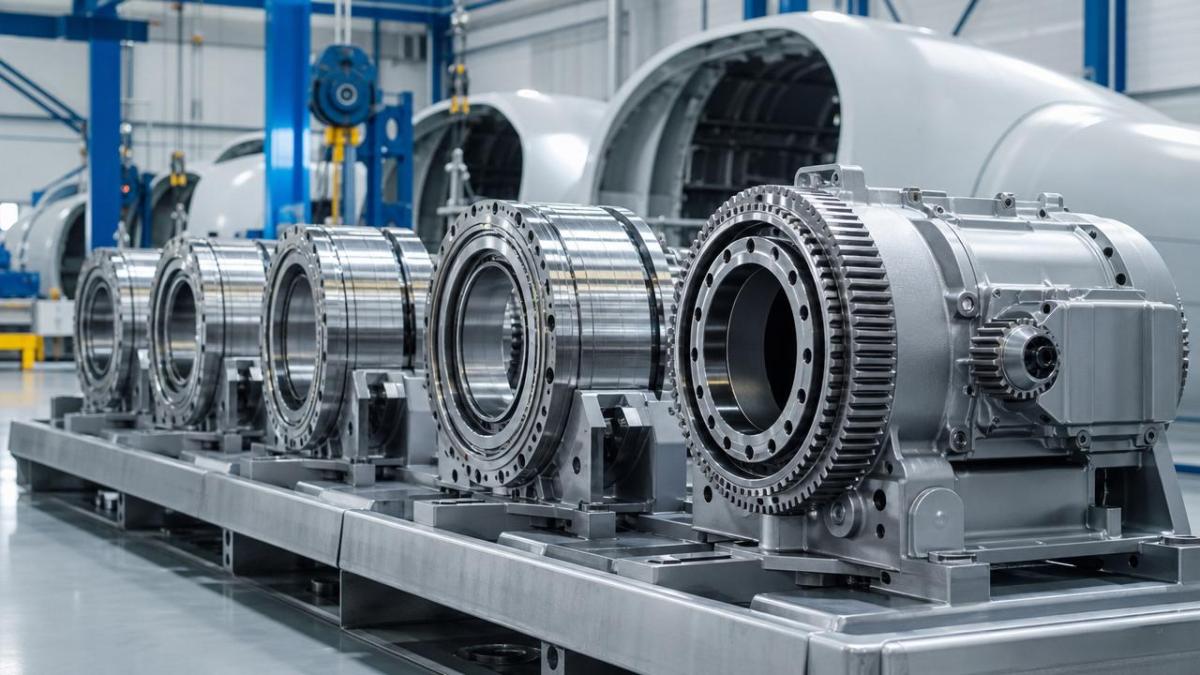
On April 1, 2026, the International Renewable Energy Agency (IRENA) released its annual report showing that global renewable energy capacity additions reached 692 GW in 2025 — a new record high. Wind power accounted for over 35% of this total. The surge has intensified delivery pressure on nacelle systems components, particularly main bearings, pitch motors, and gearboxes. This development warrants close attention from wind turbine manufacturers, component suppliers, logistics service providers, and project developers operating across international markets.
Event Overview
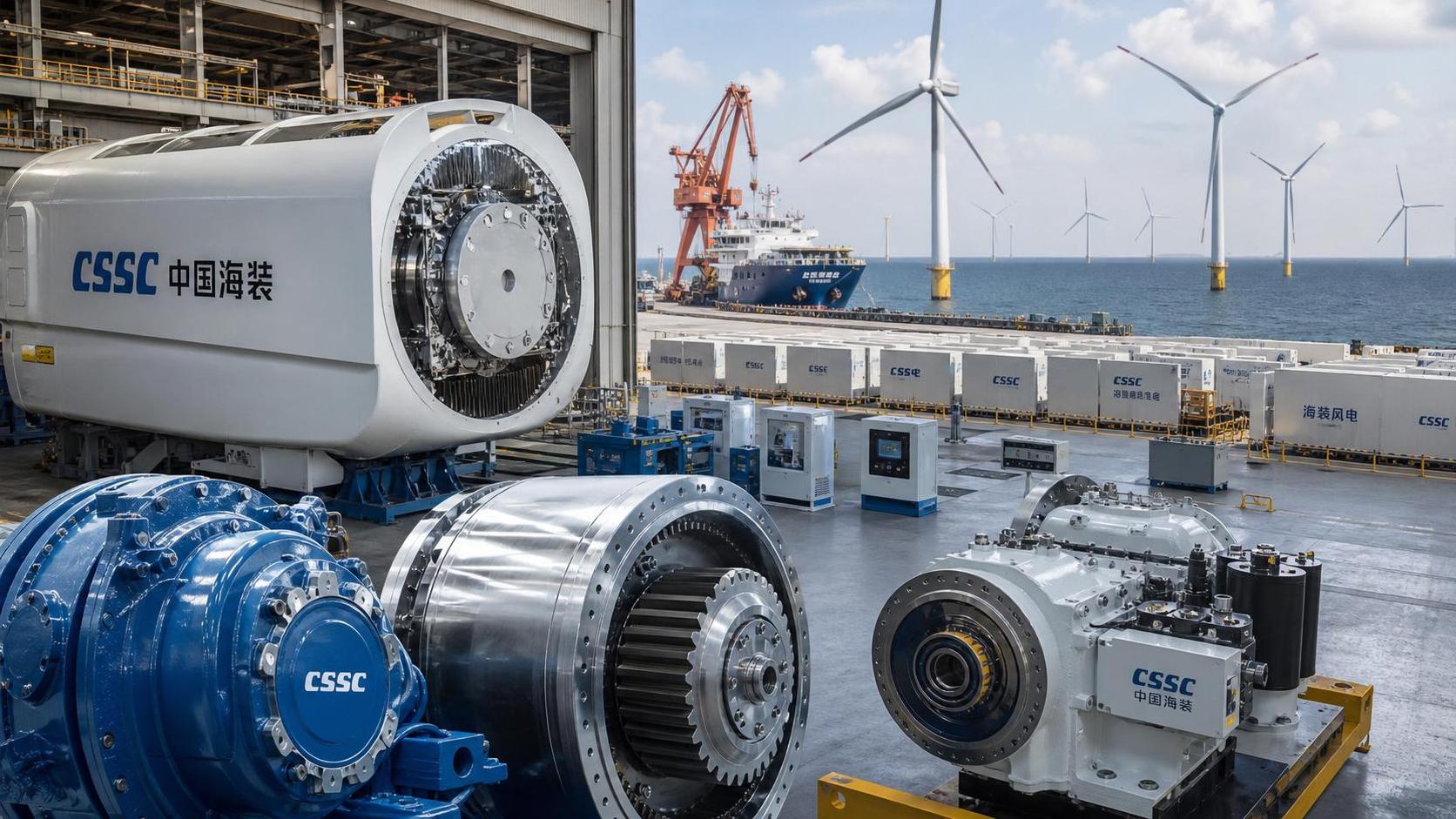
On April 1, 2026, IRENA published a report confirming that global renewable energy installed capacity additions in 2025 totaled 692 GW — the highest annual figure on record. Of this, wind energy contributed more than 35%. The report further noted that delivery lead times for key nacelle systems components — including main bearings, pitch motors, and gearboxes — have extended globally to 32–40 weeks. In response, leading Chinese manufacturers have initiated a ‘bonded warehouse pre-positioning’ model for wind core components, enabling staged, project-aligned shipments to overseas customers.
Industries Affected
Wind Turbine Original Equipment Manufacturers (OEMs)
OEMs face extended procurement cycles for critical nacelle subsystems, directly impacting turbine assembly timelines and project commissioning schedules. Delays in main bearing or gearbox deliveries constrain production planning and may trigger contractual penalties or renegotiation with developers.
Component Suppliers (Bearings, Gearboxes, Pitch Systems)
Suppliers experience elevated order backlogs and tighter capacity utilization. The 32–40 week lead time reflects structural bottlenecks — not temporary spikes — suggesting sustained pressure on precision manufacturing, testing, and quality assurance workflows.
International Logistics & Supply Chain Service Providers
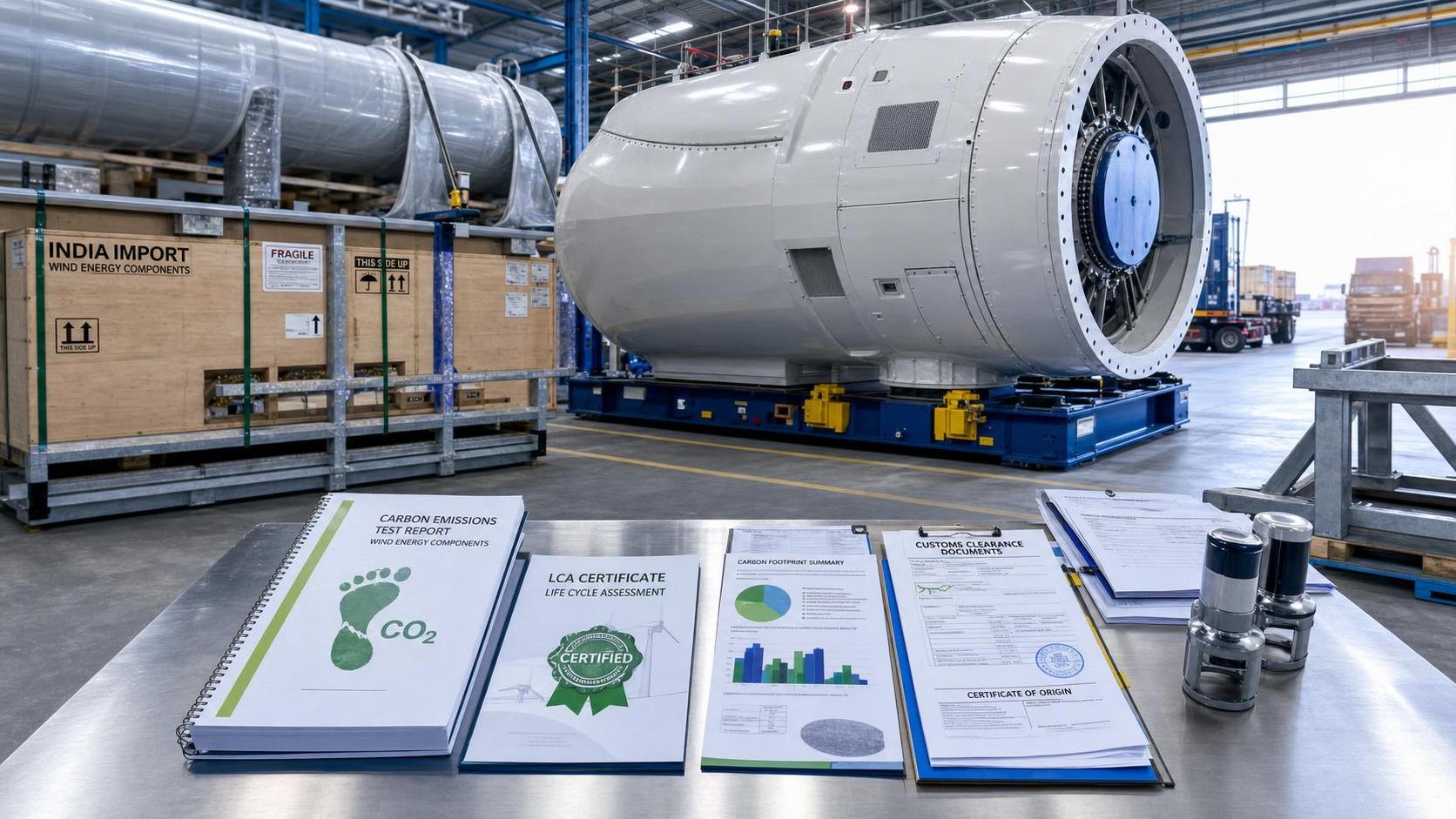
The shift toward bonded warehouse pre-positioning introduces new operational requirements: customs compliance for bonded inventory, cross-border inventory visibility, and just-in-sequence (JIS) distribution capability. Providers must adapt warehousing, documentation, and last-mile coordination to support phased delivery models.
Project Developers & EPC Contractors
Developers relying on fixed-price, date-certain EPC contracts now confront higher schedule risk. Extended nacelle component lead times affect balance-of-plant coordination, permitting windows, and financing drawdown timetables — especially where debt covenants include milestone-based disbursement conditions.
Key Considerations and Recommended Actions
Monitor official updates from IRENA and national energy agencies on 2026 capacity forecasts
IRENA’s 2025 data signals continued growth momentum; however, 2026 projections — expected later in 2026 — will clarify whether supply constraints are tightening further or easing through capacity expansion. Track these releases for forward-looking supply-demand calibration.
Assess exposure to specific nacelle subcomponents and regional sourcing dependencies
Not all nacelle components face equal pressure. Main bearings and custom gearboxes show the longest lead times. Companies should map their bill-of-materials against current lead-time data and identify single-source dependencies — especially for EU- or US-sourced precision components versus China-based alternatives.
Evaluate feasibility of bonded warehouse models for critical long-lead items
The ‘bonded warehouse pre-positioning’ approach adopted by Chinese manufacturers is operationally viable only with aligned customs frameworks and local partner infrastructure. Firms considering similar models should assess host-country bonded zone regulations, import duty deferral terms, and minimum inventory thresholds before implementation.
Adjust procurement timing and buffer planning for Q3–Q4 2026 project execution
Given current 32–40 week lead times, orders placed in mid-2026 for projects scheduled to begin turbine installation in Q3–Q4 2026 may face delays. Procurement teams should advance ordering cycles and formalize safety-stock agreements with priority suppliers where contractually permissible.
Editorial Perspective / Industry Observation
Observably, this IRENA report does not merely reflect a record year — it signals an inflection point where rapid renewable deployment is beginning to test the resilience of specialized industrial supply chains. The extended lead times for nacelle systems components are not isolated supplier issues but systemic indicators of lagging upstream capacity in precision mechanical manufacturing. Analysis shows that the ‘bonded warehouse pre-positioning’ model is less a long-term solution and more a tactical mitigation — one that shifts inventory risk and working capital burden onto buyers and logistics partners rather than resolving underlying production constraints. From an industry perspective, this is best understood as an early-warning signal: supply chain adaptation is now as critical as technology advancement in sustaining renewable energy growth rates.
Conclusion: The 692 GW figure underscores accelerating global decarbonization momentum, but its operational consequence — constrained nacelle systems availability — reveals a growing misalignment between deployment targets and component manufacturing scalability. This is not yet a crisis, but it is a material constraint requiring proactive, cross-tier coordination. Current evidence supports interpreting this development as an ongoing supply-demand stress test — one where responsiveness, not just ambition, determines real-world project outcomes.
Source: International Renewable Energy Agency (IRENA), “Renewable Capacity Statistics 2026”, released April 1, 2026.
Note: Ongoing observation is recommended for updates on 2026 global capacity forecasts and national-level policy responses to nacelle supply bottlenecks.