
Thai Expo Spotlights Nacelle System Demand
Key Takeaways
- EU Sets Dual Certification Rule for Liquid-Cooled BESSDr. Julian Volt
- IEC Compliance Testing: Which Standards Matter for Grid Equipment?Dr. Elena Volt
- DOE Rule Raises Import Bar for Liquid-Cooled BESSDr. Julian Volt
- How to Evaluate a Portable Solar Generators Supplier for Runtime, Safety, and After-Sales SupportDr. Aris Sun
- EU Rule Takes Effect: Liquid-Cooled BESS Imports Need IEC 62933-5-2:2026 ClearanceDr. Julian Volt
- Solar PPA Price Trends 2026: How to Assess Supplier Risk Before SigningDr. Aris Sun
- EU Makes IEC 62933-5-2:2026 Mandatory for Liquid-Cooled BESS ImportsDr. Julian Volt
- What to Check Before Choosing a Project Tender Intelligence PortalDr. Aris Sun
Industry Overview
Our mission is to safeguard the future of global renewable energy development through verifiable data, interdisciplinary academic scrutiny, and unwavering industry integrity.
At the close of the Thailand Industry Expo on 2026-06-17, buyer interest from Vietnam, Indonesia, and the Philippines centered on offshore wind supporting equipment, with lightweight nacelle systems emerging as a key procurement focus. From an industry perspective, this matters less as a standalone trade-show headline and more as a practical signal on delivery rules, qualification expectations, and supply-chain readiness for cross-border projects that now appear to be moving on compressed timelines.
What the Expo Confirmed
Confirmed information from the event shows that procurement groups from Vietnam, Indonesia, and the Philippines made concentrated inquiries for offshore wind supporting equipment at the Thailand Industry Expo, which closed on 2026-06-17.
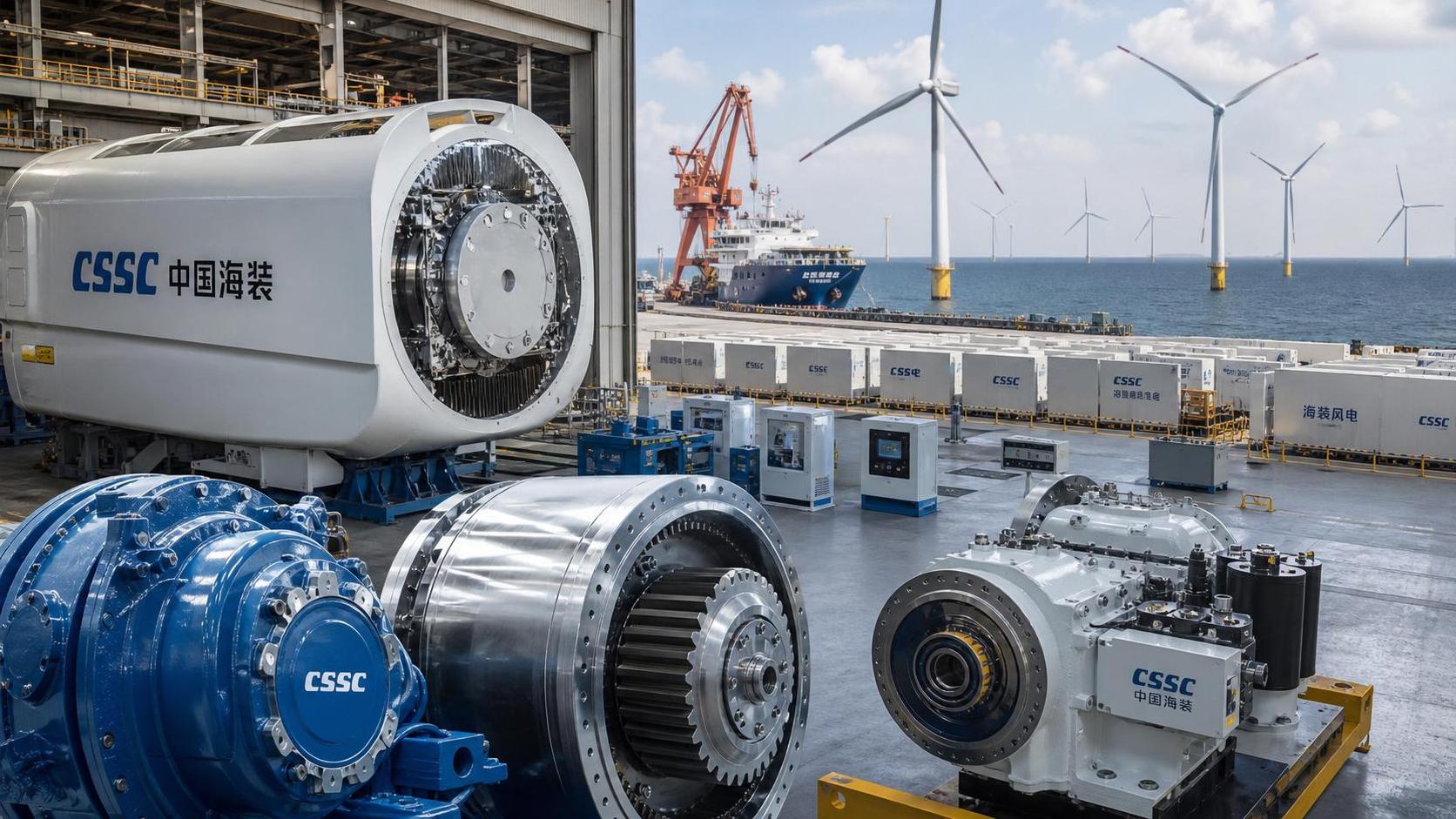
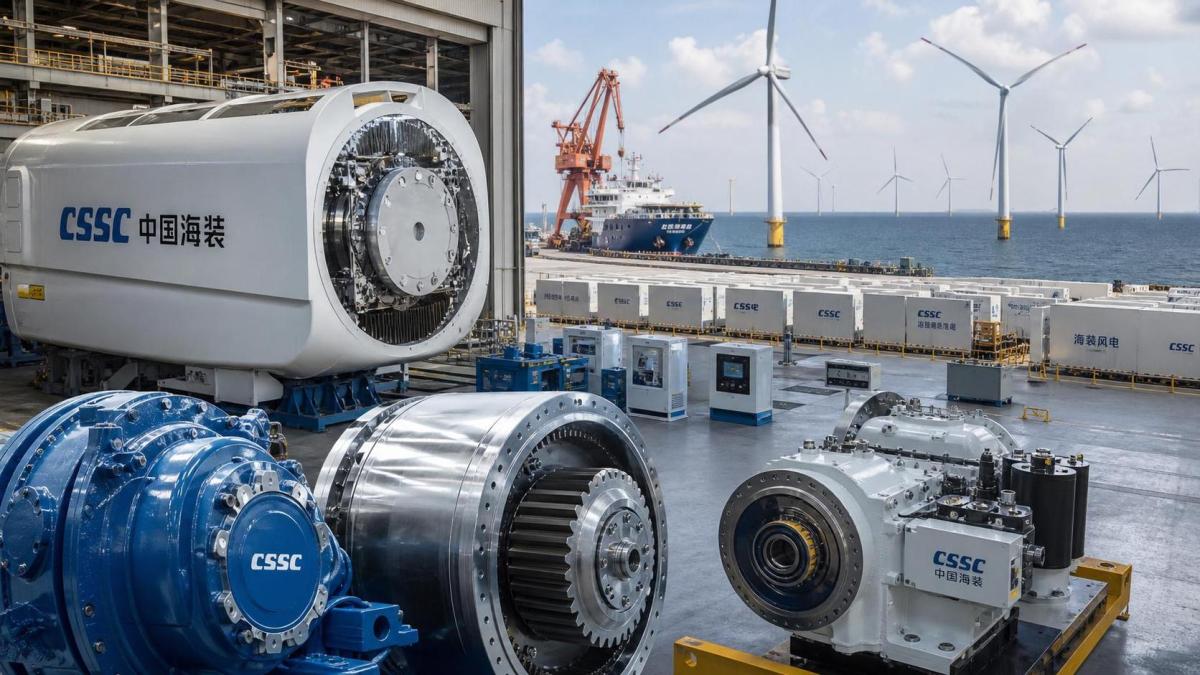
Demand rose most visibly for lightweight nacelle systems, including carbon-fiber main bearing housings, modular gearboxes, and intelligent yaw systems.
During the exhibition, intended orders exceeded USD 120 million. Delivery schedules were commonly requested before 2027 Q1, highlighting a gap in localized assembly capacity in Southeast Asia.
Why the Pressure Is Shifting Across the Supply Chain
For equipment suppliers, the issue is no longer only pricing
Analysis shows that suppliers of nacelle-related assemblies may face tighter scrutiny on whether they can meet shorter delivery windows while also supporting documentation, technical specifications, and product consistency for offshore applications. What deserves closer attention is that procurement momentum can quickly translate into stricter bid requirements, factory qualification reviews, and closer checks on component integration readiness.
For buyers, procurement risk now extends to execution readiness
Buyers are likely to feel the impact in supplier screening, delivery planning, and contract preparation. Observably, when intended orders cluster around a narrow delivery window, procurement teams often need clearer visibility on assembly capability, technical file completeness, and after-sales support arrangements before moving from inquiry to formal award.
For trade and logistics participants, delivery commitments become a compliance issue
Supply-chain service providers and export-facing businesses may be affected because shortened lead times can increase the importance of shipment planning, handover records, technical paperwork, and traceability coordination. From an industry perspective, the localized assembly gap referenced by the event suggests that delivery performance may become inseparable from documentation discipline and cross-border execution control.
For testing, certification, and service partners, response speed may matter more
Companies involved in inspection, testing, certification support, or post-delivery service may need to prepare for faster turnaround expectations. Analysis shows that once procurement attention concentrates on nacelle subsystems, supporting materials such as technical dossiers, test records, and qualification files can become critical commercial enablers rather than secondary paperwork.
What Companies Should Watch Next
Qualification files and technical documentation
Companies pursuing these opportunities should closely review whether product files, test records, specification sheets, and bid-support materials are complete and consistent for lightweight nacelle-related systems. The event summary does not provide detailed execution rules, so this should be treated as a watch point rather than a confirmed new requirement.
Delivery schedules versus assembly capability
What deserves closer attention is the mismatch between requested delivery timing and the localized assembly gap identified at the event. Businesses may need to reassess production sequencing, subcontracting exposure, and readiness for staged delivery if buyers continue to push for pre-2027 Q1 fulfillment.
Supplier qualification and traceability controls
Exporters, component makers, and procurement teams should watch for stricter requests around supplier qualification, component traceability, and quality records. This is especially relevant where offshore wind equipment packages involve multiple subsystems that must be aligned in both technical and delivery terms.
Follow-up wording in tenders and buyer communications
Because the input does not include formal policy texts or binding regulatory notices, it is more appropriate to monitor how future tender documents, buyer specifications, and procurement communications describe certification, documentation, and acceptance expectations before treating this as a fully settled rule change.
How This Signal Should Be Read
Analysis shows that this development is better understood as an execution signal than as proof of a newly published regulation. The combination of concentrated inquiries, intended orders above USD 120 million, and delivery demands before 2027 Q1 suggests that market participants may soon face tougher real-world thresholds in scheduling, qualification, and supply assurance.
Observably, the most important question is not whether demand exists, but whether procurement practice in Southeast Asia starts to convert that demand into firmer requirements on localized assembly support, technical compliance files, and delivery accountability. That remains a point for continued observation rather than a confirmed outcome.
A Practical Reading of the Market Shift
This event points to a more demanding operating environment for offshore wind equipment transactions tied to nacelle systems in Southeast Asia. The immediate significance lies in procurement behavior: buyers are signaling urgency, while the supply side faces visible constraints in localized assembly readiness.
From an industry perspective, it is more appropriate to understand this as an early but credible indicator of tighter execution expectations across trade, qualification, and delivery, not as a complete or final rule framework. The next phase will depend on how these signals appear in formal procurement documents, certification practice, and project-side implementation.
Basis of This Article
This article is generated based on the user-provided news title, event date, and event summary. No specific official source link was provided in the input, so any formal policy, regulatory, or procurement interpretation still requires continued verification.
Source types typically relevant to developments of this kind may include official notices, regulatory publications, customs or trade authority information, industry association updates, standard-setting documents, tender materials, and reporting by authoritative trade media. What still needs to be monitored includes detailed policy wording, certification interpretations, tender document changes, industry feedback, and how companies implement delivery and qualification requirements in practice.