Single Axis Solar Tracker Wholesale: Cost vs Yield Guide

Key Takeaways
- How grid access delays are reshaping renewable project timelines in Latin AmericaDr. Elena Volt
- What drives energy storage systems price per kWh for commercial projects?Dr. Julian Volt
- What manufacturers should compare in emissions tracking softwareLina Cloud
- Why high-net-worth buyers are reshaping demand for automotive technologyDr. Aris Sun
- Can project tender intelligence software improve bid opportunity quality?Lina Cloud
- Which metrics reveal whether a P2P energy trading platform is working?Lina Cloud
- When does strategic link acquisition improve a clean energy site's authority?Dr. Aris Sun
- What drives solar street lighting cost for a new installation?Dr. Aris Sun
Industry Overview
Our mission is to safeguard the future of global renewable energy development through verifiable data, interdisciplinary academic scrutiny, and unwavering industry integrity.
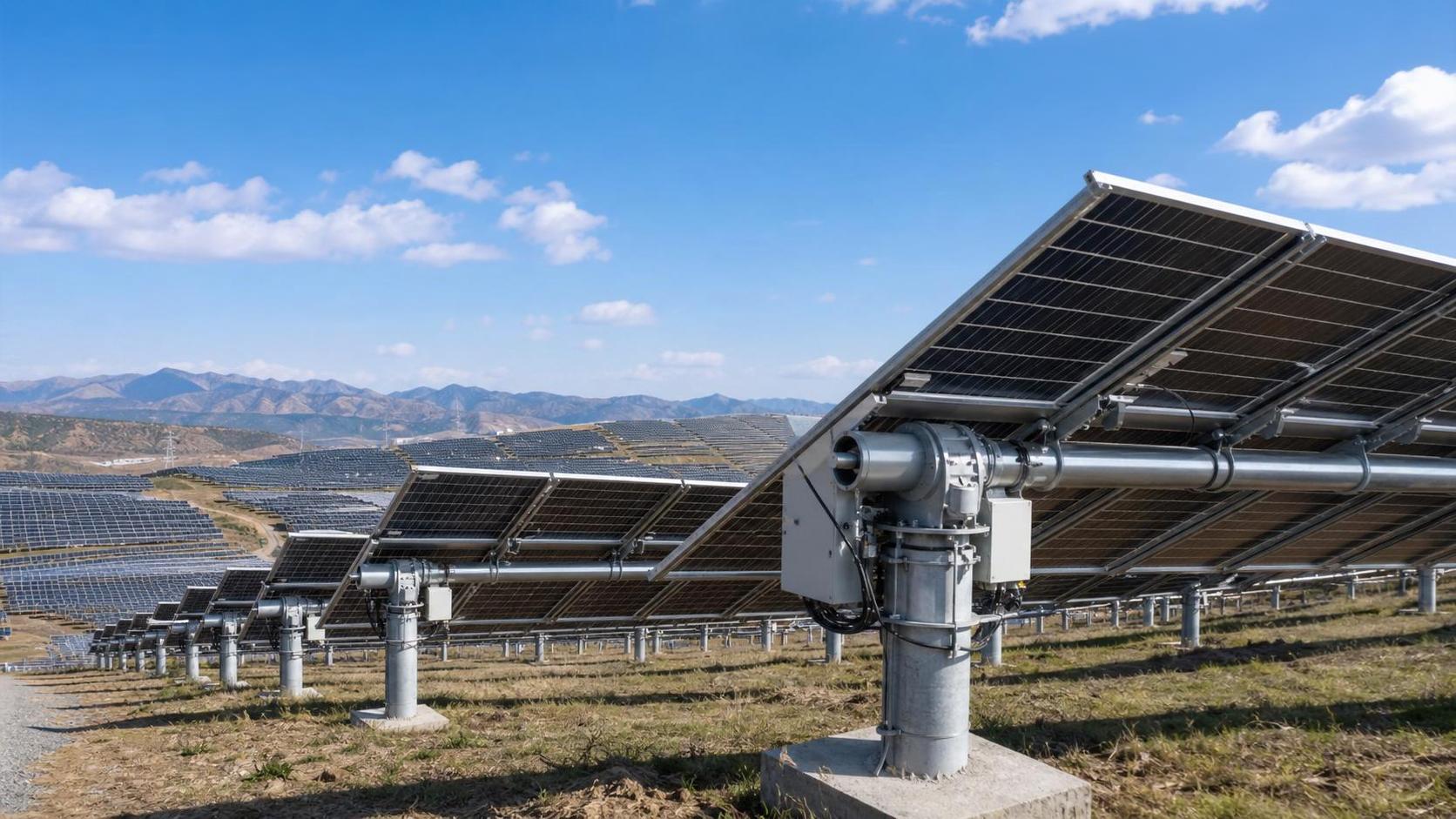
For project managers balancing CAPEX discipline with long-term energy performance, single axis solar tracker wholesale decisions can directly shape project IRR, LCOE, and delivery risk. This guide examines how bulk procurement affects upfront cost, generation yield, structural reliability, and O&M planning, helping utility-scale buyers compare tracker options with greater technical and commercial confidence.
What Buyers Are Really Asking When They Search “Single Axis Solar Tracker Wholesale”

The core search intent is not simply to find a low unit price. Project leaders usually want to know whether wholesale tracker procurement improves project economics after factoring yield gain, site conditions, logistics, and execution risk.
For utility-scale and commercial buyers, the real question is straightforward: when does a single axis tracker create enough additional generation to justify higher structural, electrical, and maintenance complexity compared with fixed-tilt systems?
That means the most valuable evaluation is cost versus yield, not cost alone. A low tracker price can still become expensive if installation slows down, wind design is weak, spare parts are unavailable, or controls underperform.
In most bankable projects, the best wholesale decision is the tracker package that delivers predictable energy uplift, stable supply, faster field deployment, and lower lifecycle uncertainty rather than the cheapest steel per megawatt.
Why Single Axis Trackers Often Win on Project Economics
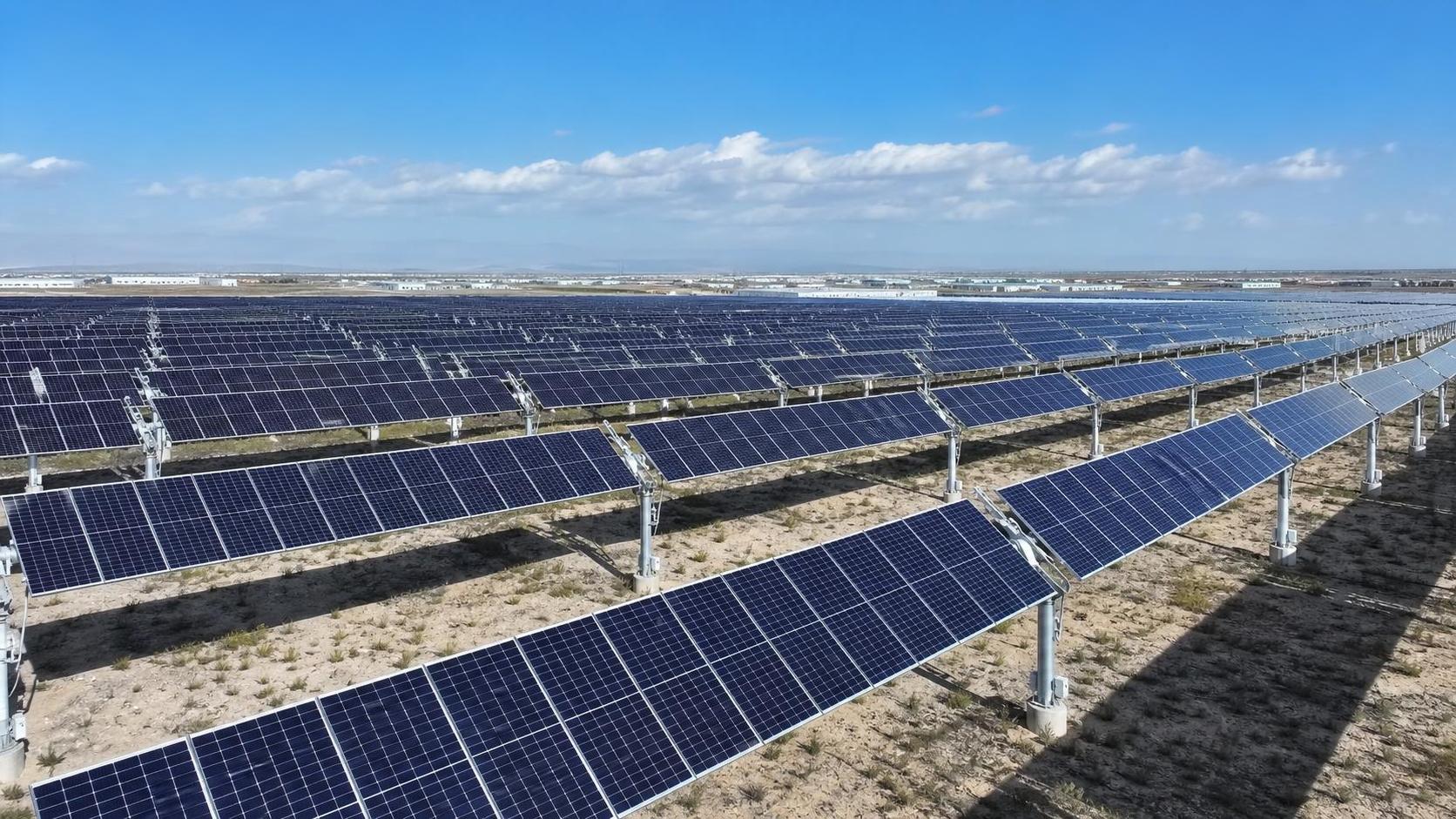
Single axis trackers are widely used because they can increase annual energy production compared with fixed-tilt arrays, especially in high-irradiance regions and large, relatively uniform sites with strong direct normal irradiance profiles.
Typical generation gains vary by latitude, climate, row spacing, albedo, and backtracking strategy. In many markets, buyers model roughly 10% to 25% more yield than fixed tilt, though the actual result is site specific.
That extra generation influences project IRR and LCOE more than many first-time buyers expect. If the tariff structure values afternoon output, or if curtailment is manageable, tracker economics often become even more favorable.
However, the yield advantage is not universal. Complex terrain, harsh soiling, high snow loads, extreme winds, or weak O&M support can reduce the practical value of trackers and raise performance uncertainty.
How Wholesale Procurement Changes the Cost Structure
Bulk purchasing usually lowers per-unit hardware cost, but that is only one part of the commercial picture. Wholesale deals also affect freight planning, customs timing, installation sequencing, and contract leverage with the supplier.
A serious buyer should separate tracker cost into several buckets: mechanical structure, drives, controllers, foundations, installation labor, SCADA integration, spares, warranties, and long-term service obligations.
In many tenders, a supplier may quote an attractive ex-works price while leaving hidden cost exposure in geotechnical adaptation, corrosion protection, commissioning support, or software licensing. These items must be clarified before award.
Wholesale orders can improve negotiation power on warranty extensions, spare drive inventory, remote diagnostics, and training packages. For project managers, these non-price terms often matter as much as the base equipment discount.
What Drives Yield in Real Projects, Not Just in Sales Brochures
The headline benefit of a single axis solar tracker wholesale purchase is higher energy yield, but field performance depends on more than panel movement. Control logic, stow strategy, row geometry, and terrain tolerance all affect output.
Backtracking quality is particularly important because it minimizes row-to-row shading during low sun angles. Poor algorithm execution can erode expected gains, especially in dense layouts where land optimization pressures are high.
The tracker must also work well with the selected module format. Large-format bifacial modules, torque tube stiffness, bearing design, and tilt limits influence mismatch losses, structural loading, and long-term alignment performance.
Buyers should request simulation assumptions, not only annual yield claims. Ask for P50 and P90 scenarios, weather file sources, losses breakdown, stow assumptions, and comparisons against fixed tilt using the same DC/AC ratio.
How to Compare Suppliers Beyond Price Per Watt
Many procurement teams begin by comparing tracker quotes on cost per watt or cost per megawatt. That is useful, but insufficient. The better approach is to compare cost per delivered and maintainable kilowatt-hour.
A competitive supplier should provide transparent structural calculations, actuator specifications, motor protection details, communication architecture, failure-mode information, and evidence of performance in climate conditions similar to your project.
Bankability matters. Look for a supplier with a proven installation base, acceptable financial strength, documented wind tunnel or aeroelastic validation where relevant, and clear compliance with applicable regional standards and certifications.
Also examine localization capability. Can the supplier support local fabrication, regional warehousing, multilingual technical support, and replacement part delivery during the first years of operation? These factors reduce schedule and availability risk.
Key Technical Questions Project Managers Should Ask Before Award
Ask how the tracker handles uneven terrain and what slope tolerances are permitted without excessive grading. Civil work can materially change total installed cost and may offset a seemingly attractive tracker procurement price.
Confirm design wind speed assumptions, stow behavior during grid outages, and whether backup power or self-powered communications are included. Extreme weather resilience is a commercial issue because storm damage can interrupt revenue and insurance claims.
Review foundation options carefully. Pile depth, soil refusal risk, concrete use, and installation productivity all influence both budget and schedule. A tracker that looks efficient on paper can become difficult in poor geotechnical conditions.
Finally, ask about commissioning responsibilities and software handover. Field performance depends on correct calibration, communications stability, and fault response visibility. Weak controls integration can undermine both yield and maintenance efficiency.
Where the Wholesale Decision Impacts Delivery Risk Most
For large projects, the greatest risk is often not hardware quality alone but execution timing. Tracker deliveries must align with module arrivals, pile driving sequences, inverter station access, and EPC labor availability.
Wholesale purchasing can help by consolidating lots and securing production slots early. Yet it can also increase concentration risk if a single supplier misses shipment dates or if one design issue affects the entire fleet.
Project managers should therefore evaluate manufacturing lead times, second-source flexibility for critical components, and realistic site installation rates. Factory capacity claims should be tested against actual references and current order backlog.
Incoterms and packaging details matter too. Damage during inland transport, missing fasteners, and poor pallet logic can slow installation crews significantly. A well-structured logistics plan saves more money than a marginal equipment discount.
O&M Reality: The Lifecycle Cost Buyers Often Underestimate
Trackers add moving parts, controls, and fault monitoring requirements. That does not make them uneconomic, but it means O&M planning should be integrated into procurement rather than treated as a post-COD problem.
Common lifecycle considerations include motor replacement intervals, controller reliability, lubrication or bearing checks where applicable, storm inspection procedures, and software support for alarms, diagnostics, and fleet-level optimization.
Spare parts strategy is especially important for wholesale buyers. A low initial purchase price can quickly lose value if replacement drives or controllers have long lead times, proprietary firmware restrictions, or expensive field service requirements.
To manage this, buyers should request a recommended spare parts list by megawatt, target response times, training scope, and clear responsibilities for warranty labor. These details directly affect operational availability and budget predictability.
When a Single Axis Solar Tracker Wholesale Strategy Makes the Most Sense
A wholesale strategy works best when the project pipeline is large enough to gain pricing leverage, site conditions are broadly compatible, and the procurement team can standardize technical specifications across multiple plants.
It is also attractive when energy pricing rewards production during high-value daylight hours, when land use efficiency matters, and when the owner has enough operational maturity to manage tracker-based assets confidently over time.
Conversely, fixed tilt may remain more competitive in smaller projects, highly constrained terrain, severe weather zones with complicated structural penalties, or markets where maintenance infrastructure is limited or expensive.
The right answer is therefore portfolio specific. Buyers should avoid assuming that trackers are automatically superior or automatically risky. The decision should be built on site data, tariff structure, and execution capability.
A Practical Evaluation Framework for Procurement Teams
Start with three scenarios: fixed tilt baseline, lowest-cost tracker option, and best-value tracker option. Model each using the same irradiation data, curtailment assumptions, financing inputs, and EPC boundary definitions.
Then compare not just annual yield but installed cost, construction duration, weather resilience, and expected availability. A tracker with slightly lower modeled production may still win if it reduces installation complexity and supply-chain risk.
Next, score suppliers on commercial and technical dimensions: price transparency, structural design confidence, controls maturity, bankability, service network, lead time realism, and long-term parts support.
Finally, pressure-test assumptions with references from comparable projects. Ask owners or EPC partners what happened after delivery, during commissioning, and through the first storm season. Real operating feedback is often decisive.
Final Takeaway for Cost vs Yield Decisions
For most utility-scale buyers, the value of single axis solar tracker wholesale procurement depends on whether extra energy output remains durable after accounting for structural design, logistics, controls quality, and O&M readiness.
If the supplier is technically credible, site conditions are favorable, and commercial terms cover execution and lifecycle needs, trackers can materially improve project returns and lower LCOE despite higher initial complexity.
If those conditions are not met, the lowest quote may create avoidable delays, underperformance, or maintenance burden. In practice, the strongest buying decision is the one that protects yield certainty as much as hardware cost.
Project managers should therefore evaluate wholesale tracker packages as integrated energy-delivery systems, not commodity steel purchases. That mindset leads to better procurement outcomes, stronger asset performance, and fewer surprises after COD.
Deep Dive
Related Intelligence