Precision Farming Tech: 7 Tools That Improve Yield Accuracy
Key Takeaways
- DOE Rule Raises Import Bar for Liquid-Cooled BESSDr. Julian Volt
- How to Evaluate a Portable Solar Generators Supplier for Runtime, Safety, and After-Sales SupportDr. Aris Sun
- EU Rule Takes Effect: Liquid-Cooled BESS Imports Need IEC 62933-5-2:2026 ClearanceDr. Julian Volt
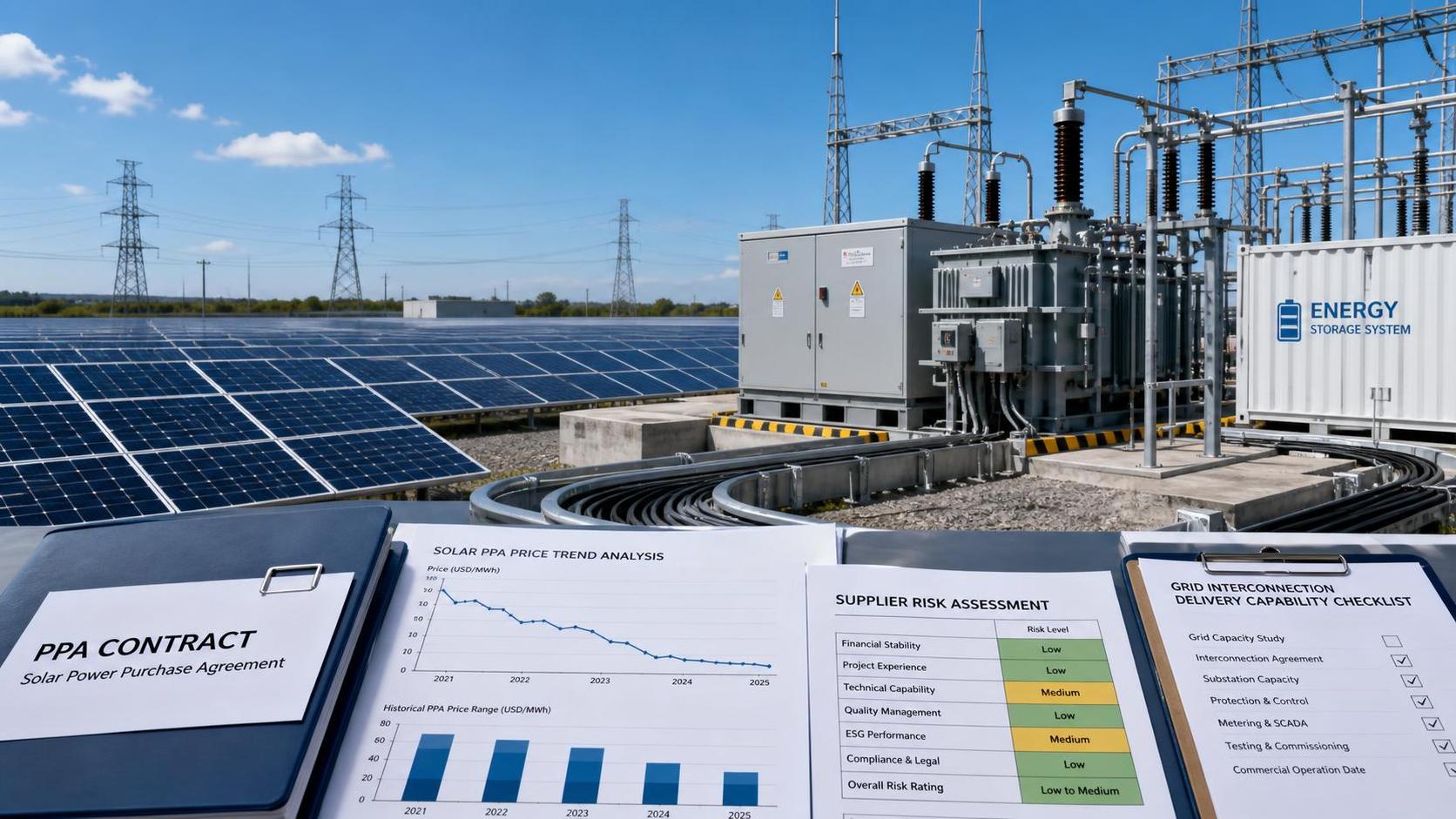
- Solar PPA Price Trends 2026: How to Assess Supplier Risk Before SigningDr. Aris Sun
- EU Makes IEC 62933-5-2:2026 Mandatory for Liquid-Cooled BESS ImportsDr. Julian Volt
- What to Check Before Choosing a Project Tender Intelligence PortalDr. Aris Sun
- EU Rule Takes Effect for Liquid-Cooled BESS ExportsDr. Julian Volt
- What Makes a Strategic Link Reliable in P2P Energy Trading Networks?Lina Cloud
Industry Overview
Our mission is to safeguard the future of global renewable energy development through verifiable data, interdisciplinary academic scrutiny, and unwavering industry integrity.
Precision Farming Tech: 7 Tools That Improve Yield Accuracy
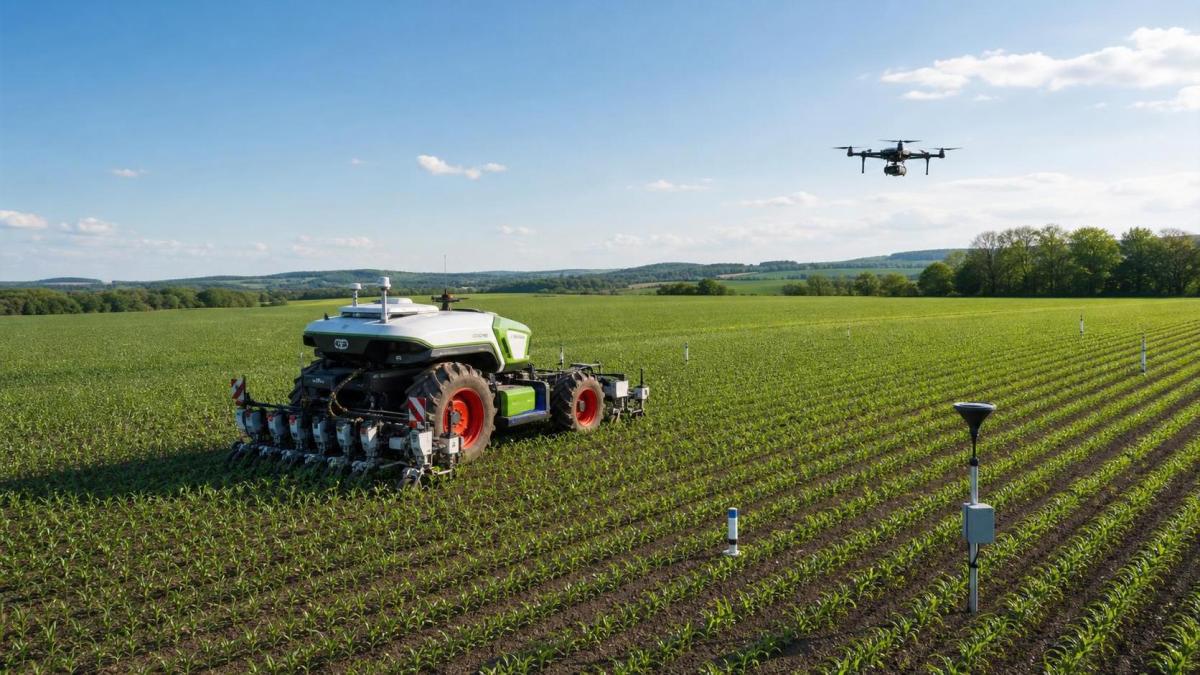
Precision farming tech is changing how yield decisions get tested, verified, and improved in the field.
For technical evaluation teams, the issue is no longer access to data.
The real challenge is knowing which tools produce reliable, comparable, and actionable results.
That matters even more when equipment choices, software integration, and ROI assumptions depend on yield accuracy.
In practice, strong precision farming tech reduces uncertainty across planting, input control, crop monitoring, and harvest analysis.
It also supports clearer benchmarking, which is essential when comparing vendors, validating field trials, or scaling across regions.
Below are seven tools that consistently improve yield accuracy when they are deployed with sound calibration and data governance.
1. GNSS Guidance and Auto-Steering Systems
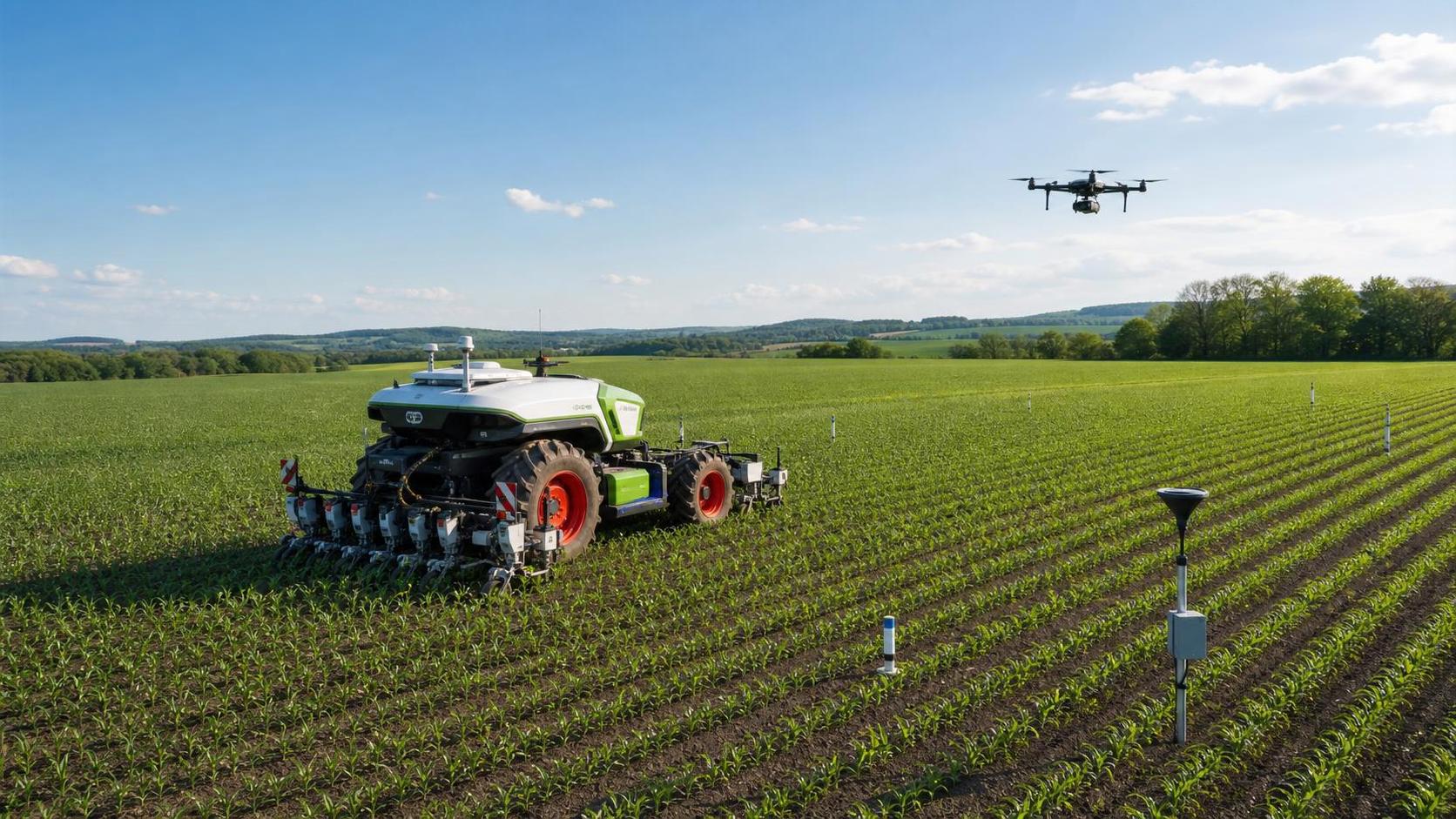
GNSS-based guidance is often the first layer of precision farming tech because it reduces overlap and missed rows.
When steering accuracy improves, input placement becomes more consistent across seed, fertilizer, and crop protection passes.
That consistency has a direct effect on yield maps later in the season.
For evaluators, the key metrics include pass-to-pass accuracy, correction signal stability, and performance under variable terrain conditions.
RTK-capable systems usually deliver stronger repeatability, especially for controlled traffic and strip-till operations.
- Check correction source availability and latency.
- Review steering drift during long operating hours.
- Confirm compatibility with existing tractors and implements.
2. Variable Rate Application Controllers
Variable rate controllers turn field variability into targeted action.
This part of precision farming tech adjusts seeding, nutrients, or chemicals according to prescription maps and real-time inputs.
The result is not only lower waste.
More importantly, it aligns crop potential with site-specific application rates.
Recent upgrades show a stronger move toward section control, closed-loop feedback, and ISOBUS integration.
That means teams can evaluate not just rate control, but also how accurately the machine executes the prescription.
A practical review should compare commanded rate versus applied rate, response time, and data export quality.
3. Soil Sensors and In-Field Sampling Platforms
No precision farming tech strategy works well without dependable soil information.
Soil moisture probes, EC mapping tools, and digital sampling platforms help explain why two nearby zones perform differently.
This is where many yield assumptions either get confirmed or corrected.
For technical review, focus on sensor placement method, reading frequency, calibration procedure, and cross-season repeatability.
A sensor can be accurate in the lab but less useful in a field with poor installation discipline.
In real operations, pairing sensors with manual verification still produces the best decisions.
- Use consistent georeferencing for all samples.
- Separate temporary stress signals from persistent soil limitations.
- Link readings to field history, not isolated dates.
4. Remote Sensing with Drones and Satellites
Remote sensing is one of the most visible forms of precision farming tech, but usefulness depends on resolution and timing.
Drones offer high-detail field views, while satellites provide broader coverage and stronger revisit economics.
Both can support yield accuracy by identifying uneven vigor, drainage issues, pest pressure, and treatment response.
Still, imagery alone is not enough.
The stronger signal comes when image layers connect to scouting notes, machine logs, and harvest results.
That integrated workflow makes precision farming tech more than a visualization tool.
It becomes a measurable decision system.
What to evaluate
- Spatial resolution versus field size.
- Cloud sensitivity and capture frequency.
- Index reliability across crop stages.
- Ease of exporting usable prescription layers.
5. Yield Monitors and Calibrated Harvest Mapping
Yield monitors remain the reference point for many precision farming tech decisions.
They translate harvest flow into the map layer that most teams use to judge agronomic performance.
But this tool only improves yield accuracy when calibration is done carefully.
That point is often underestimated.
Bad moisture correction, delayed sensor response, or inconsistent header inputs can distort the entire analysis chain.
For evaluators, this is where data quality discipline matters more than dashboard design.
Reliable harvest mapping should be reviewed against weigh tickets, moisture records, and known field events.
6. Farm Data Platforms and Interoperability Software
As farms add more devices, precision farming tech increasingly depends on interoperability.
A data platform should unify machine files, sensor feeds, imagery, prescriptions, and yield records without corrupting context.
This sounds simple, but inconsistent formats still create major blind spots.
From a technical and standards perspective, open APIs, audit trails, and version-controlled field records deserve close attention.
More buyers now look beyond basic visualization.
They want traceable data lineage, user permission controls, and reliable exports for third-party analysis.
That shift makes software architecture a core part of precision farming tech evaluation.
7. AI Decision Support and Predictive Analytics
AI is the newest layer of precision farming tech, but the value is not in automation alone.
The bigger advantage is faster interpretation of complex field signals.
Predictive models can estimate yield risk, flag treatment timing windows, and suggest variable responses by zone.
Even so, model quality depends on training data, regional fit, and transparency.
A polished interface does not guarantee dependable recommendations.
In practical reviews, test whether the system explains why an alert appears and how confidence is scored.
That transparency is essential when precision farming tech influences high-value operational decisions.
How to Benchmark Precision Farming Tech More Effectively
Looking at each tool in isolation rarely gives a complete answer.
The more useful approach is to benchmark precision farming tech across a connected workflow.
That workflow should start with geospatial accuracy, continue through application control, and end with validated yield outcomes.
It also helps to assess tools against common decision risks.
Final Takeaway
The best precision farming tech stack is not necessarily the most complex one.
It is the one that produces consistent measurements, clear traceability, and defensible yield conclusions.
For any organization reviewing equipment or digital platforms, a useful next step is simple.
Map the seven tools against current field data gaps, calibration risk, and integration limits.
That process quickly reveals which precision farming tech investments will improve yield accuracy first.
And in a market shaped by tighter margins and higher verification standards, that clarity matters more than ever.
Deep Dive
Related Intelligence
- How to Evaluate a Portable Solar Generators Supplier for Runtime, Safety, and After-Sales SupportAuthor :

- Solar PPA Price Trends 2026: How to Assess Supplier Risk Before SigningAuthor :

- What to Check Before Choosing a Project Tender Intelligence PortalAuthor :

- How to Choose Barcode Scanners for Warehouse ManagementAuthor :