Commercial Greenhouses: Key Cost Factors Before Expansion
Key Takeaways
- EU Sets Dual Certification Rule for Liquid-Cooled BESSDr. Julian Volt
- IEC Compliance Testing: Which Standards Matter for Grid Equipment?Dr. Elena Volt
- DOE Rule Raises Import Bar for Liquid-Cooled BESSDr. Julian Volt
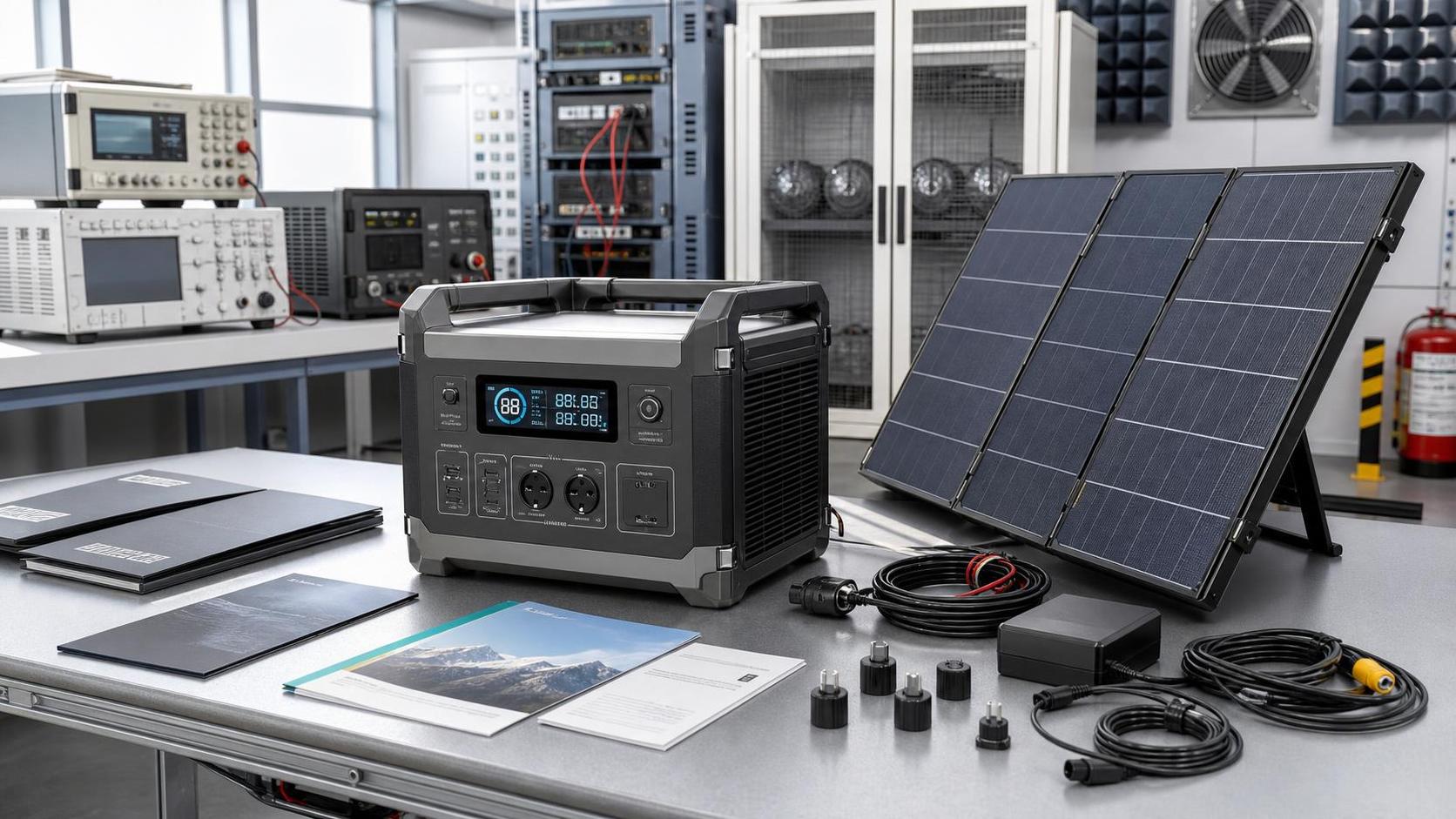
- How to Evaluate a Portable Solar Generators Supplier for Runtime, Safety, and After-Sales SupportDr. Aris Sun
- EU Rule Takes Effect: Liquid-Cooled BESS Imports Need IEC 62933-5-2:2026 ClearanceDr. Julian Volt
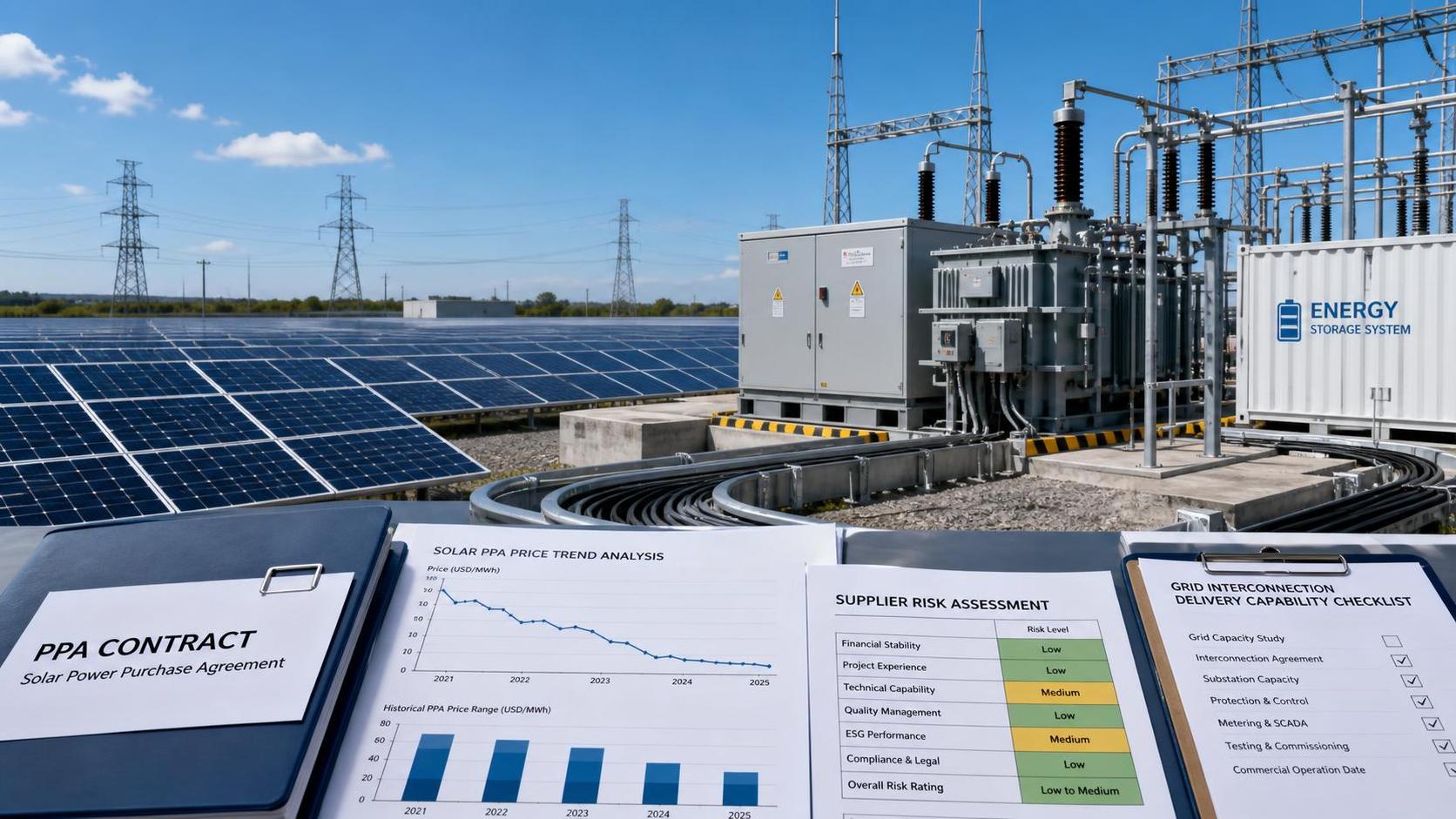
- Solar PPA Price Trends 2026: How to Assess Supplier Risk Before SigningDr. Aris Sun
- EU Makes IEC 62933-5-2:2026 Mandatory for Liquid-Cooled BESS ImportsDr. Julian Volt
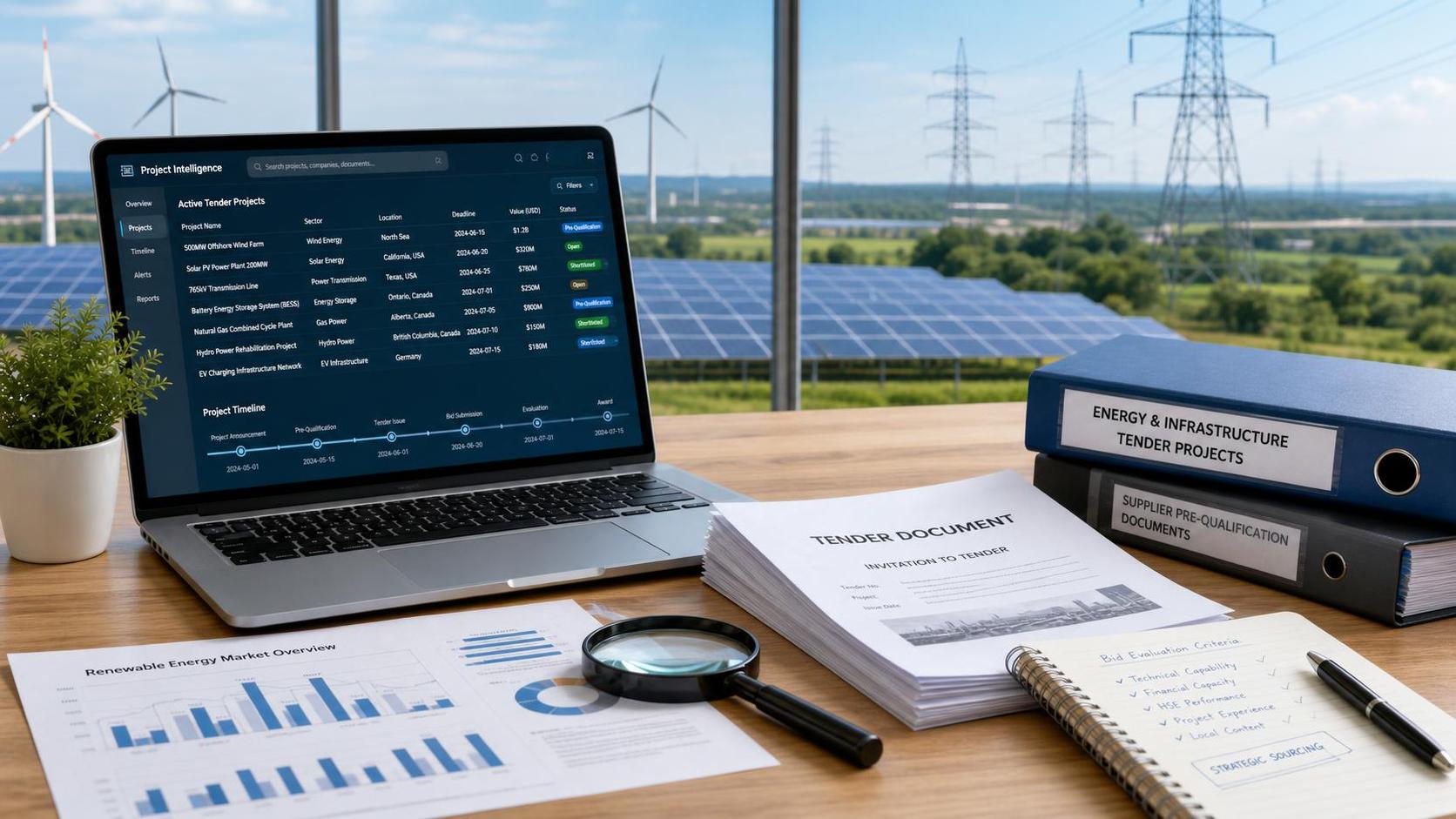
- What to Check Before Choosing a Project Tender Intelligence PortalDr. Aris Sun
Industry Overview
Our mission is to safeguard the future of global renewable energy development through verifiable data, interdisciplinary academic scrutiny, and unwavering industry integrity.
Commercial greenhouses expansion: what really drives cost?
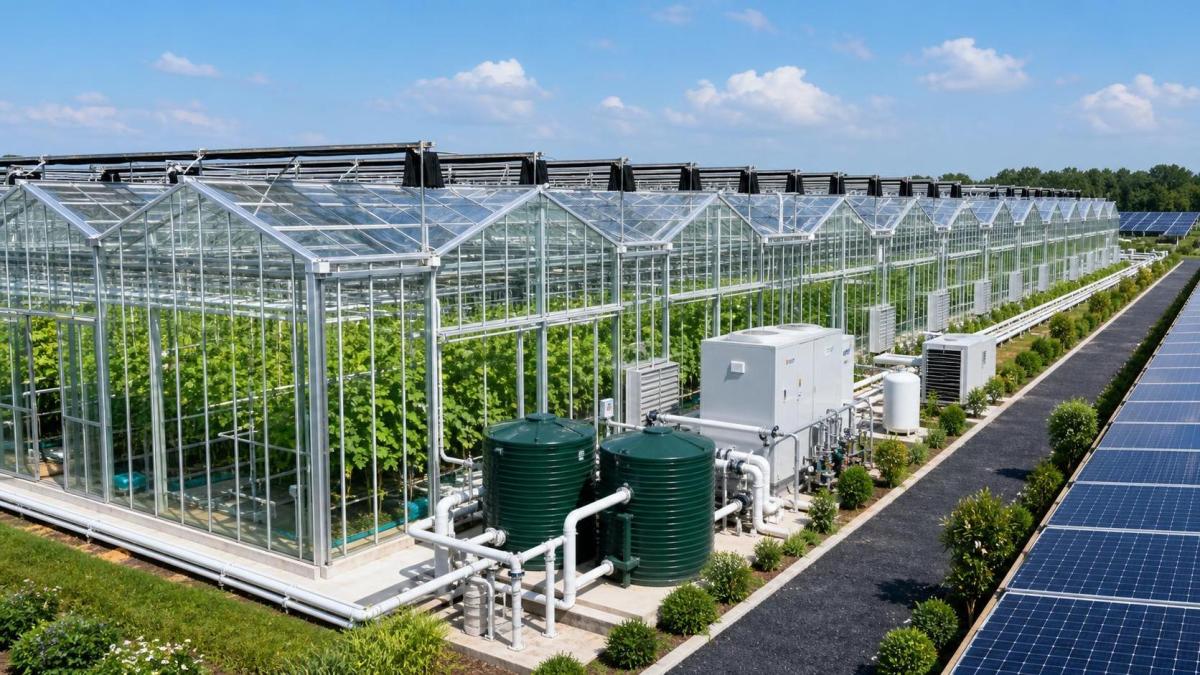
Expanding commercial greenhouses can unlock scale, output stability, and better year-round supply. Still, the real question is not only how much expansion costs, but which costs keep shaping returns after construction ends.
That is why many capital reviews now look beyond the structure itself. Energy exposure, automation depth, climate resilience, and compliance obligations often matter more than the headline build price.
In practice, commercial greenhouses sit at the intersection of agriculture, infrastructure, and energy management. This is where a data-led approach matters, especially when electricity volatility and carbon performance affect long-term competitiveness.
Seen through the broader lens of G-REI’s benchmarking philosophy, expansion decisions work best when technical performance, power strategy, and operating risk are reviewed together rather than in isolation.
Is the greenhouse shell the main cost, or is that a misleading assumption?
It is a common assumption, but usually an incomplete one. The greenhouse shell is visible and easy to quote, yet it is rarely the only cost category that determines project quality.
For many commercial greenhouses, the structural frame, glazing, shading, and foundations may account for a large initial share. However, expansion economics often shift once climate systems, power upgrades, irrigation, and labor efficiency are modeled over several years.
A lower-cost shell can become expensive if it requires higher heating loads, poor airflow correction, or earlier component replacement. More robust envelopes often carry higher upfront pricing but reduce energy leakage and crop stress.
The better question is this: does the structure support the intended crop plan, automation level, and local weather profile without forcing costly retrofits later?
- Frame design affects wind, snow, and maintenance exposure.
- Covering materials influence light transmission and thermal loss.
- Foundation work changes with soil condition and drainage risk.
- Bay width and gutter height shape future mechanization options.
So when reviewing commercial greenhouses, shell cost should be treated as one layer of capital planning, not the full financial picture.
How much do energy and climate-control systems change the investment case?
Usually, they change it dramatically. In many expansions, heating, cooling, dehumidification, lighting, and ventilation determine the difference between a productive asset and a margin problem.
Commercial greenhouses are energy-sensitive environments. A site with weak grid reliability or expensive peak tariffs may face far higher operating costs than a slightly more expensive location with stronger utility infrastructure.
This is where lessons from smart-grid and renewable infrastructure become useful. On-site solar PV, battery storage, load control, and energy monitoring can reduce exposure to power price swings, especially for lighting-intensive operations.
Not every project needs a sophisticated microgrid. Even so, expansion planning should test whether future electricity demand will trigger transformer upgrades, backup generation needs, or demand-charge penalties.
A practical review of commercial greenhouses should compare capex and energy intensity together. Looking at one without the other often leads to misleading payback assumptions.
Where do hidden costs usually appear before expansion is approved?
Hidden costs rarely stay hidden for long. They usually emerge in land preparation, utilities, permitting, water handling, logistics, and workforce adaptation.
Land may look affordable until grading, drainage correction, access roads, or flood mitigation are added. Utility extension is another frequent surprise, especially when new electrical loads exceed the original site plan.
Water is equally important. Expansion may require new storage, treatment, recirculation, discharge management, or nutrient dosing controls. These systems are not optional details if consistency and compliance matter.
There is also timing risk. Imported components, specialty glass, control hardware, and mechanical units can face long lead times. Delays increase financing pressure and may push commissioning into the wrong growing season.
- Permitting delays can extend carrying costs.
- Grid interconnection work may cost more than expected.
- Biosecurity design can add layout and workflow expenses.
- Spare parts strategy affects early maintenance budgets.
A careful commercial greenhouses expansion plan should include contingency for utility, civil, and schedule risk, not only material inflation.
When does automation justify the added capital?
Automation pays off when labor volatility, precision requirements, and reporting expectations are already limiting performance. It is not only about reducing headcount.
In commercial greenhouses, automation can cover irrigation, fertigation, screening, lighting schedules, sensor-based climate adjustment, and centralized control dashboards. The value comes from repeatability and response speed.
More advanced systems also support traceability and energy optimization. That matters when expansion is tied to sustainability metrics, power efficiency targets, or financing tied to operational transparency.
Still, over-automation can be a problem. If the local team cannot maintain sensors, software, and actuators, downtime and service dependence may offset the expected savings.
A balanced way to judge automation is to separate must-have controls from nice-to-have features. Climate accuracy, water dosing, and alarm systems often deliver value earlier than complex robotics.
How should commercial greenhouses be compared across suppliers?
Side-by-side comparison works best when the same performance assumptions are used. Many quotes appear comparable until crop targets, energy scenarios, and warranty boundaries are aligned.
The most useful supplier review usually combines technical, commercial, and operational questions. Price alone does not show lifecycle value, especially when systems have different durability or energy profiles.
This is also where external benchmarking helps. The same discipline used in energy infrastructure procurement, such as standards review and lifecycle comparison, can improve commercial greenhouses selection.
What expansion mistakes are most expensive to correct later?
The most expensive mistakes are usually strategic, not cosmetic. Underpowered utilities, poor climate zoning, weak drainage, and rushed vendor selection can be costly to reverse.
Another common issue is designing for today’s volume but not tomorrow’s operating model. Commercial greenhouses that cannot absorb future automation, storage, or energy upgrades may lose flexibility just when scale becomes more valuable.
There is also a financing mistake that appears often: using optimistic yield assumptions while ignoring commissioning delays and ramp-up inefficiency. That compresses the margin for error from the start.
A stronger path is to build the decision around a few grounded checks:
- Validate utility and energy scenarios before final layout approval.
- Stress-test the budget against delays and climate extremes.
- Compare suppliers on lifecycle performance, not bid price alone.
- Confirm maintenance capability for every automated subsystem.
- Align expansion with reporting, resilience, and carbon goals.
For many organizations, the next useful step is simple: build a comparison sheet that combines capex, energy intensity, utility readiness, compliance burden, and timeline risk in one review model.
That approach gives commercial greenhouses a clearer investment logic. It also makes expansion decisions more resilient when markets, power costs, and operational expectations start changing at the same time.
Deep Dive
Related Intelligence
- How to Evaluate a Portable Solar Generators Supplier for Runtime, Safety, and After-Sales SupportAuthor :

- Solar PPA Price Trends 2026: How to Assess Supplier Risk Before SigningAuthor :

- What to Check Before Choosing a Project Tender Intelligence PortalAuthor :

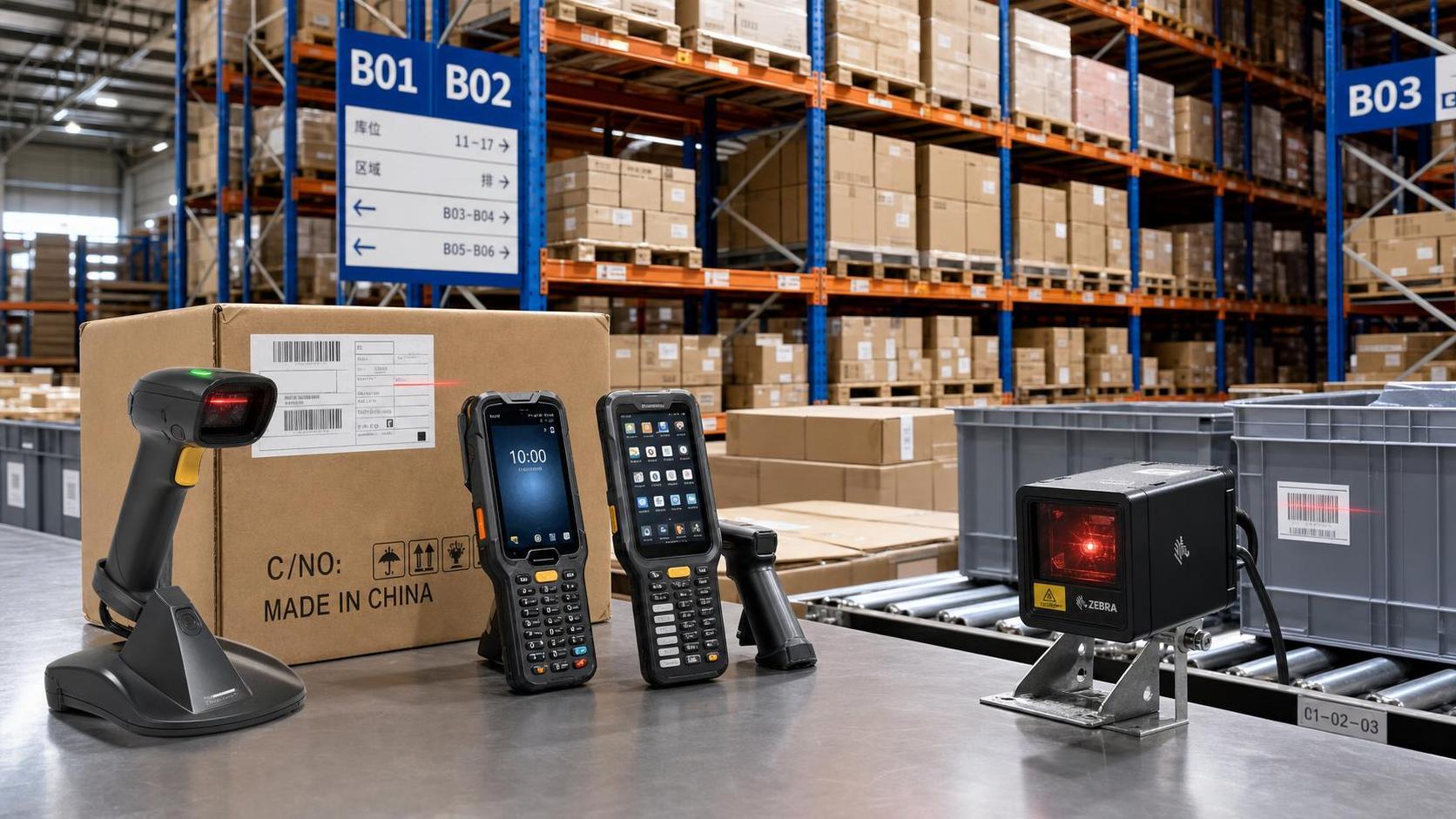
- How to Choose Barcode Scanners for Warehouse ManagementAuthor :