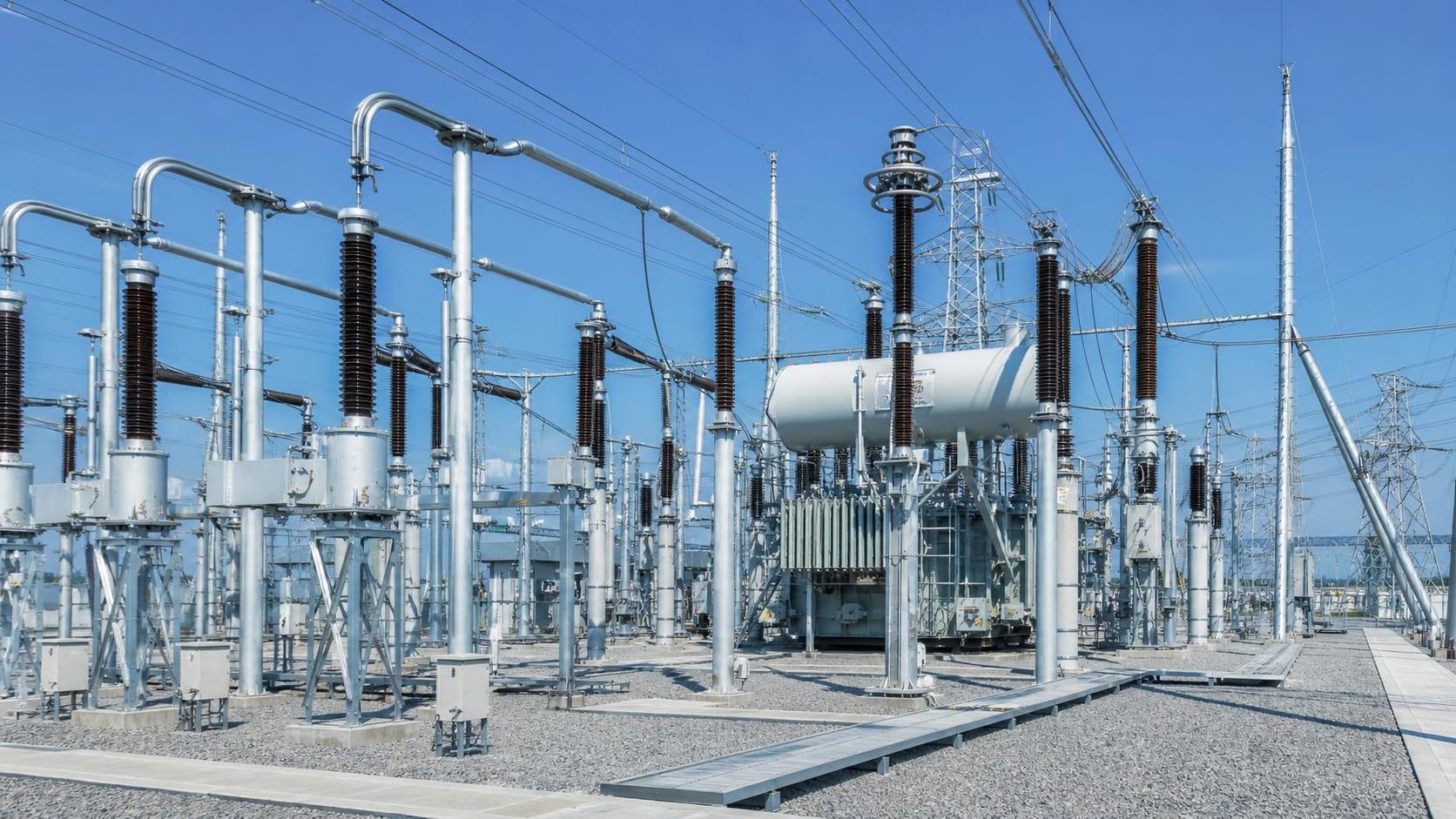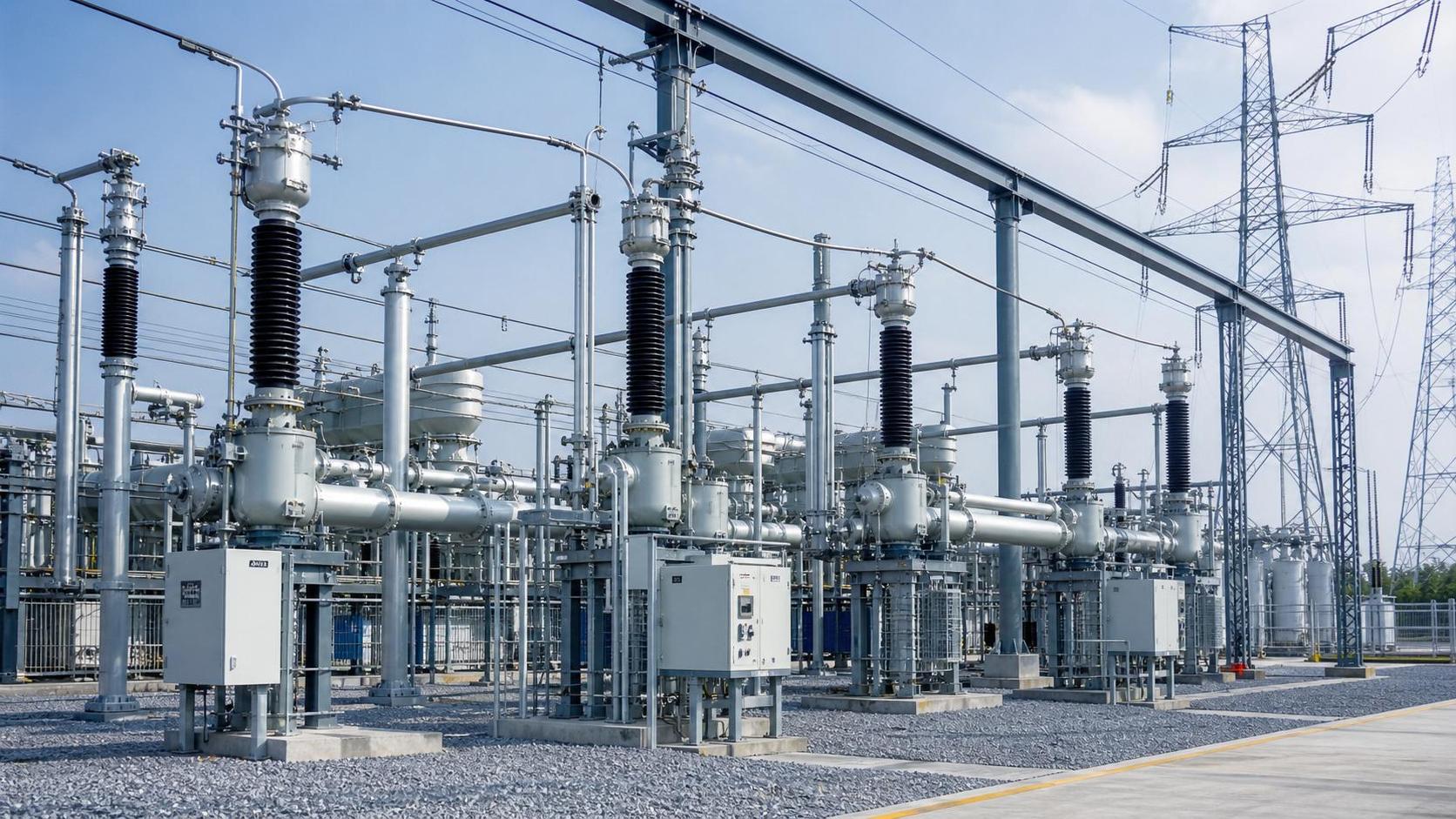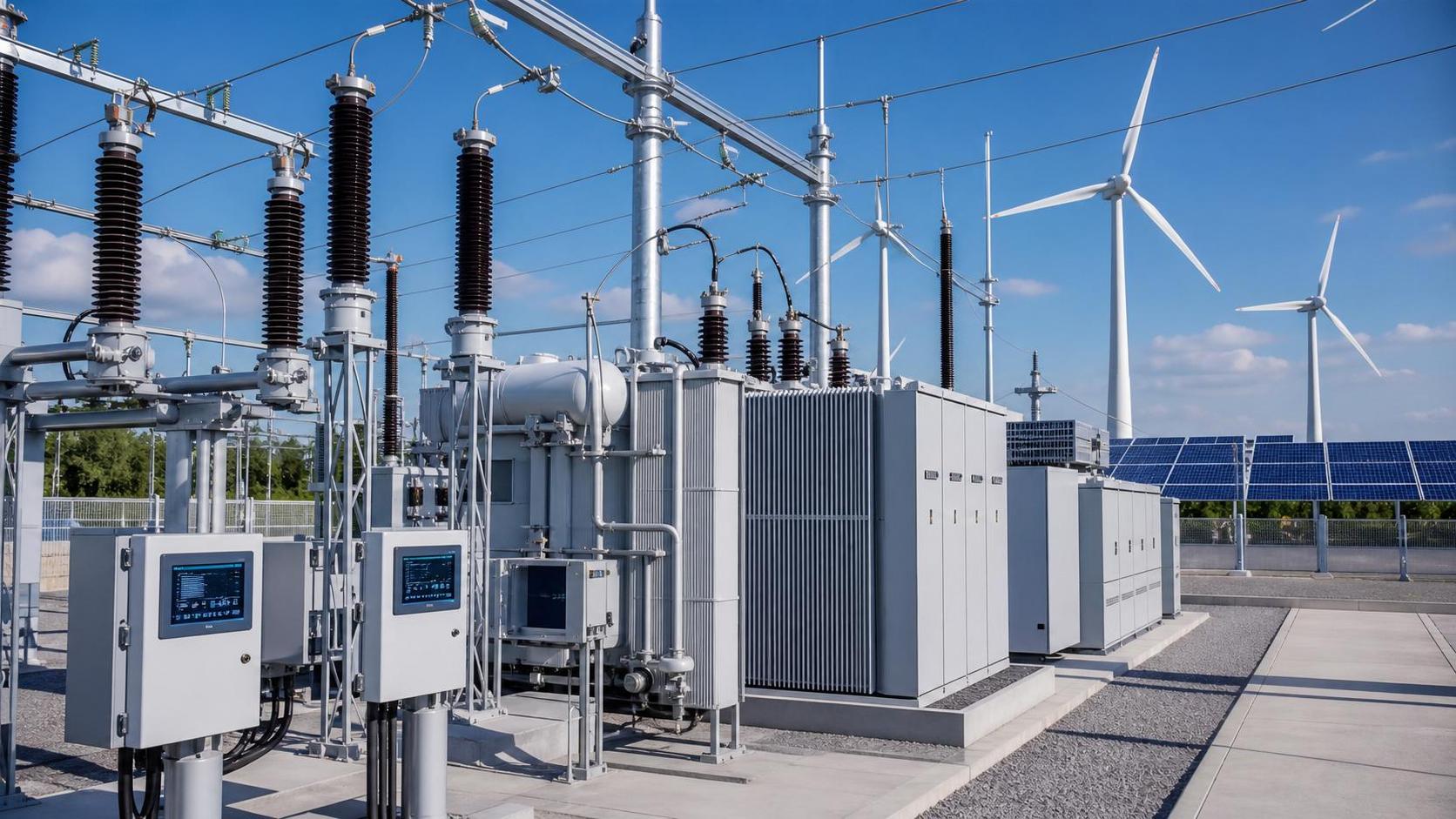
What drives power distribution cost in a substation upgrade?
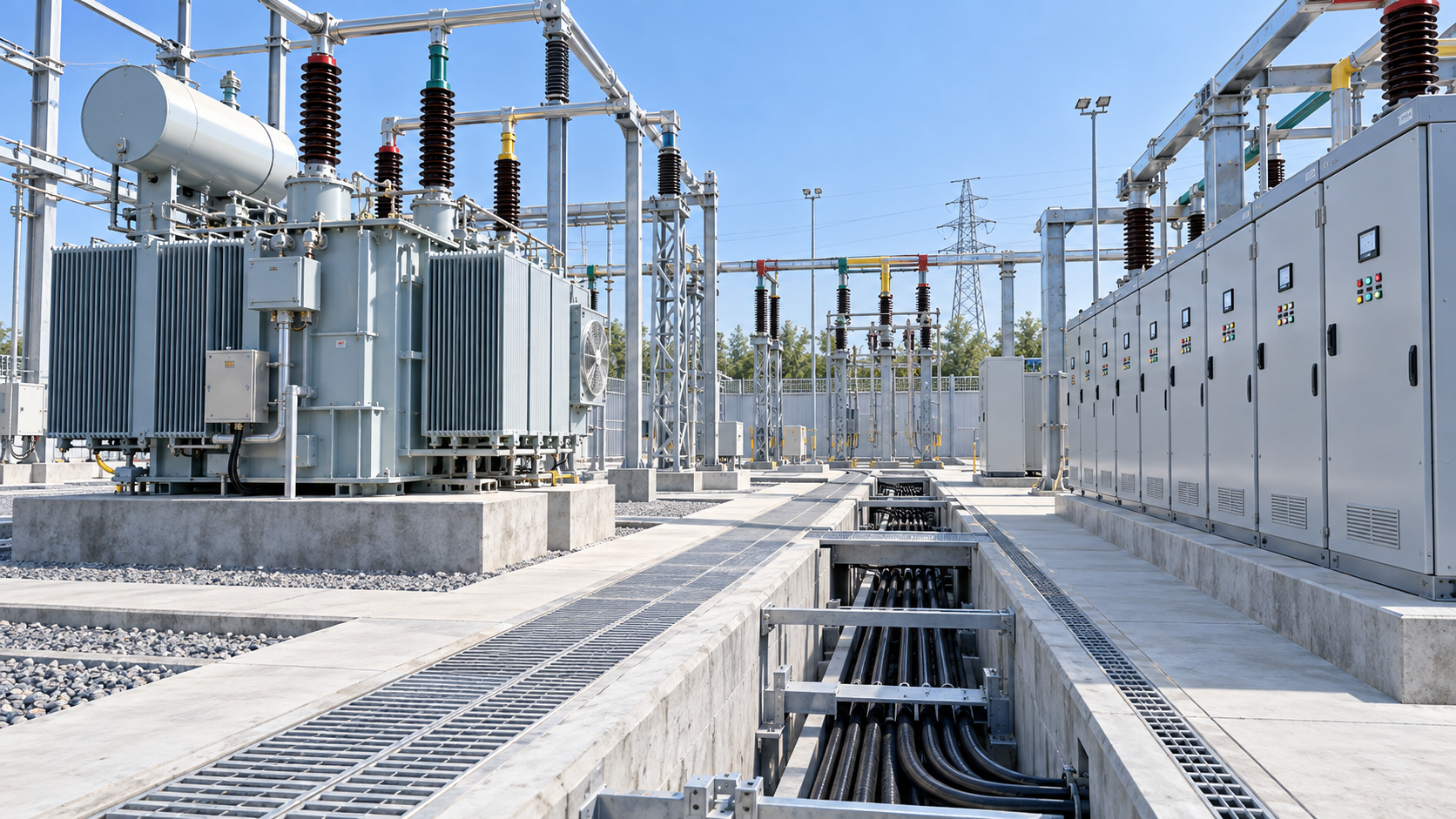
Key Takeaways
- What drives power distribution cost in a substation upgrade?Dr. Elena Volt
- How grid access delays are reshaping renewable project timelines in Latin AmericaDr. Elena Volt
- What drives energy storage systems price per kWh for commercial projects?Dr. Julian Volt
- What manufacturers should compare in emissions tracking softwareLina Cloud
- Why high-net-worth buyers are reshaping demand for automotive technologyDr. Aris Sun
- Can project tender intelligence software improve bid opportunity quality?Lina Cloud
- Which metrics reveal whether a P2P energy trading platform is working?Lina Cloud
- When does strategic link acquisition improve a clean energy site's authority?Dr. Aris Sun
Industry Overview
Our mission is to safeguard the future of global renewable energy development through verifiable data, interdisciplinary academic scrutiny, and unwavering industry integrity.
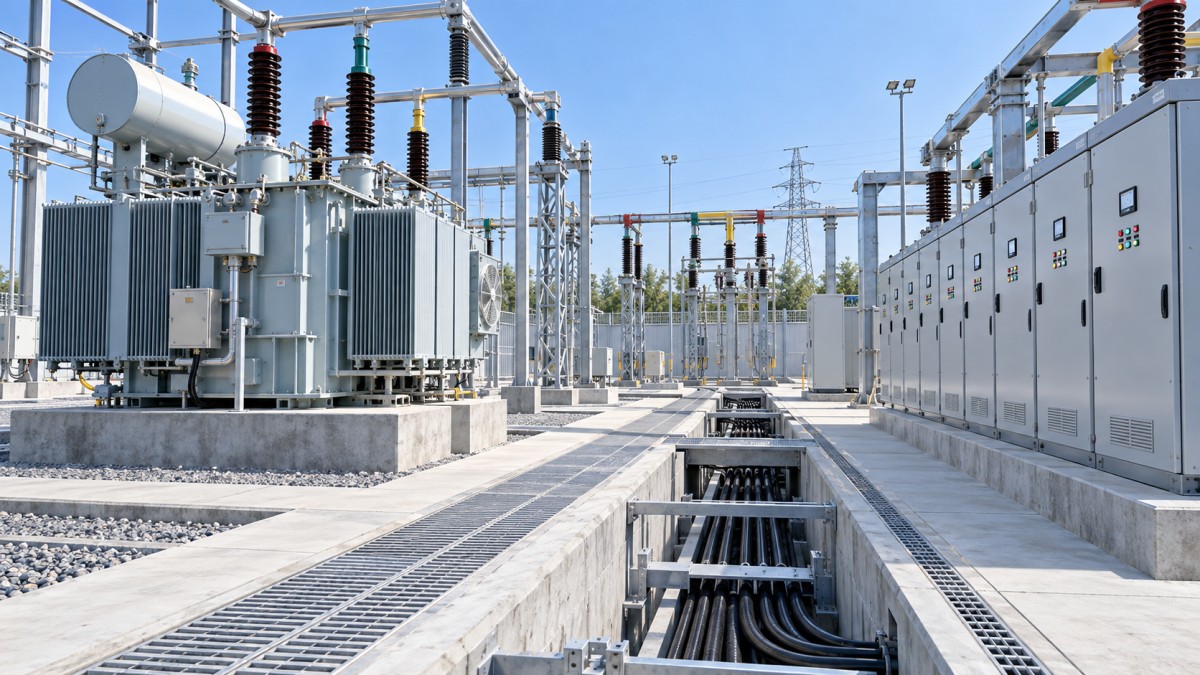
A substation upgrade can appear affordable when the first equipment quotations arrive, then become materially more expensive once the design team adds protection changes, outages, foundations, cable routes, utility requirements, and commissioning scope. The main driver of Power Distribution cost is not one component. It is the combination of capacity, voltage, site constraints, reliability obligations, and the amount of existing infrastructure that can safely remain in service.
For a project manager preparing a procurement budget, the practical rule is this: price the upgrade as an integrated system, not as a transformer or switchgear purchase. The highest-cost surprises usually arise at the interfaces—between new and legacy equipment, between the substation and the grid operator, and between the construction plan and the permitted outage window. A sound early estimate separates equipment, installation, civil works, control integration, compliance, contingency, and lifecycle requirements rather than treating them as a single electrical package.
The starting point: what is the upgrade actually required to achieve?
Cost moves quickly when the project brief remains vague. “Increase capacity” may mean replacing an overloaded transformer, adding a feeder, converting an outdoor bay to a compact arrangement, improving fault performance, connecting distributed generation, or meeting new automation requirements. These are different scopes with different cost structures.
Before requesting supplier pricing, define the operating objective in measurable engineering terms:
- Required firm capacity and expected load growth.
- Primary and secondary voltage levels.
- Number of incoming and outgoing circuits.
- Required redundancy, such as N-1 transformer or feeder capability.
- Maximum acceptable outage duration during construction.
- Available short-circuit rating and future fault-level forecast.
- Required remote monitoring, control, cybersecurity, and communications interfaces.
- Whether renewable generation, battery storage, reactive-power equipment, or new large loads will be connected later.
A lower-capacity design may reduce initial procurement cost but create an expensive second construction phase if it cannot accommodate the next feeder, larger transformer, or additional protection panel. Conversely, building every possible future provision into a small project can tie up capital in unused bays, oversized cable ducts, and equipment ratings that the grid does not require. The decision should be based on a documented expansion case, not a general preference for “future-proofing.”
Transformer capacity and voltage level shape the whole budget
Transformers are often the most visible line item, but their effect extends well beyond their purchase price. A larger unit may require a stronger foundation, larger oil containment provisions, increased clearance distances, heavier transport access, higher-rated switchgear, larger conductors, and revised protection settings. It can also change the short-circuit contribution seen by downstream equipment.
Voltage class has a similar multiplier effect. Moving from a low- or medium-voltage expansion into a higher-voltage substation configuration affects insulation coordination, clearances, arresters, disconnectors, structures, cable terminations, testing requirements, and operator approval processes. The cost difference is not simply the price difference between two voltage-rated devices.
Capacity selection should therefore be tested against three conditions: expected normal loading, credible contingency loading, and the loading profile created by future distributed energy resources. A transformer that is adequate for annual peak demand may still be unsuitable if export from solar generation, battery charging cycles, or power-quality constraints create different thermal and voltage conditions. Procurement teams should ask for losses, cooling arrangements, impedance, tap-changer duty, sound limits where relevant, and transport dimensions—not only MVA rating.
Impedance is a commercial as well as technical parameter
Transformer impedance influences voltage regulation and fault current. A specification that appears technically conservative can lead to upgrades elsewhere if it pushes the available fault level above the rating of installed breakers, busbars, or cable systems. On the other hand, selecting impedance solely to avoid downstream replacement can impair voltage performance or parallel operation. This is why fault studies and load-flow analysis should be completed before equipment specifications are frozen.
Switchgear cost depends on configuration, duty, and continuity of service
Switchgear pricing is strongly affected by the number of functional units, interrupting rating, insulation medium, internal arc classification where required, metering provisions, and the degree of segregation between sections. Yet the physical arrangement can be as important as the panel price.
A straightforward extension to an existing indoor lineup may require only additional panels and cable work. A replacement project can be much more involved when existing switchgear cannot be isolated section by section, when busbar arrangements are nonstandard, or when the new lineup has different dimensions, cable entry positions, or operating clearances. Temporary distribution may be necessary to preserve critical loads while the transition is completed.
For outdoor yards, the choice between air-insulated equipment, compact modular arrangements, and gas-insulated solutions is usually driven by available footprint, environmental conditions, maintainability, outage constraints, and lifecycle obligations. Compact solutions can reduce land use and site construction, but they may introduce different factory testing, specialist installation, spare-parts, and maintenance considerations. The lowest equipment quotation is not automatically the lowest installed cost.
Protection, control, and communications are frequently underestimated
In an upgrade, the protection and control system often has to bridge two generations of equipment. New relays may support digital communications and detailed event recording, while existing circuits rely on hardwired intertrips, older auxiliary contacts, legacy SCADA protocols, or relay panels with limited spare terminals. Making these systems operate safely together can require extensive engineering even when the physical additions are modest.
The cost scope should include more than protective relays. It may involve:
- Protection coordination and settings studies.
- New current transformers, voltage transformers, test switches, and marshalling interfaces.
- Control cables, fibre routes, telecoms equipment, and network switches.
- SCADA point mapping, remote-control logic, alarms, and time synchronisation.
- Interlocking changes between bays, bus sections, transformers, and breakers.
- Cybersecurity architecture, access management, and segregation of operational networks.
- Factory acceptance testing, site acceptance testing, and as-built documentation.
Protection work can become a schedule driver because it depends on accurate drawings and confirmed equipment data. Old schematics may not reflect site modifications made over many years. Cable identification can be incomplete. Existing relay settings may require validation before a new transformer or feeder changes fault-current paths. Budgeting a short controls installation period without allowing for verification, shutdown testing, and operator witnessing is a common planning error.
Existing-condition uncertainty changes the cost more than the initial survey suggests
New-build substations allow the layout, foundations, cable systems, and access routes to be designed together. Upgrade projects must work around what already exists. The condition of buried cables, earthing conductors, drainage, foundations, fire barriers, oil containment, and building fabric can determine whether the project remains a targeted modification or becomes a wider rehabilitation exercise.
Several findings regularly alter the budget after design has started:
A disciplined site investigation is not an administrative extra. It is one of the most effective ways to control Power Distribution cost. The aim is not to eliminate every uncertainty before tender; that is rarely practical. The aim is to identify which unknowns could change scope materially, assign ownership for resolving them, and keep a defined allowance for the remaining risk.
Civil, mechanical, and site-enabling works can exceed expectations
Electrical equipment cannot be installed independently of its physical environment. Foundations, steelwork, cable trenches, retaining structures, drainage, fencing, road access, lighting, fire separation, control building modifications, and equipment handling all contribute to the installed cost. These items are particularly significant at constrained brownfield sites.
Transformer replacement illustrates the issue. The project may need temporary access widening, removal of existing barriers, crane pads, new plinths, oil bund modifications, fire walls, and restoration after installation. Even where the replacement unit has the same nameplate capacity, different dimensions, weight, cooling equipment, or terminal orientation can trigger site work. Obtain dimensional drawings and transport information early enough for constructability review.
Weather exposure also matters. Outdoor construction in areas with heavy rainfall, flooding risk, extreme temperatures, contamination, or high wind loading can alter enclosure ratings, corrosion protection, drainage design, cable selection, and construction sequencing. These requirements should appear in the technical specification and civil scope, not be left as assumptions for contractors to interpret differently.
Outage constraints often determine the real project premium
When a substation serves industrial operations, essential public services, renewable generation export, or a dense distribution area, the available outage window can be narrower than the physical work scope. The project then needs staged switching plans, temporary supplies, temporary protection arrangements, night or weekend work, additional testing shifts, and more detailed operational coordination.
An outage-constrained project should be priced around a credible sequence of work. Ask the engineering team to show when each existing circuit is isolated, how critical loads remain supplied, when protection zones change, which temporary cables or mobile equipment are required, and how the installation can be returned to a safe operating state at the end of each work period. A plan that works electrically but cannot be constructed within the approved outage window is not a low-cost option; it is an unresolved risk.
There is also a trade-off between longer shutdowns and more complex temporary arrangements. A longer planned outage may reduce labour premiums and temporary equipment needs, but it can be unacceptable operationally. Shorter outages can preserve continuity but raise implementation cost. This decision should be made jointly by asset operations, engineering, construction, and procurement rather than after equipment orders are placed.
Grid-code compliance and utility interfaces should be treated as defined deliverables
Substation upgrades may require approvals for protection changes, metering, communication protocols, power quality, reactive-power capability, fault ride-through interfaces, or operating procedures. Requirements vary by connection arrangement and local network rules, but the cost pattern is consistent: late clarification creates redesign, re-testing, and commissioning delays.
Where the upgrade supports renewable generation or storage, confirm whether the substation needs new revenue metering, export limitation controls, curtailment signals, voltage regulation functions, or telemetry visible to the network operator. A site can have enough transformer capacity and still require additional control architecture before it is permitted to operate at the intended import or export level.
Procurement documents should clearly state responsibility for studies, drawings, interface data, witness testing, approval submissions, and final documentation. Ambiguous interface responsibility is a common source of variation claims because no supplier can safely assume another party will provide the missing signal, cable termination, settings file, or commissioning evidence.
Build the estimate in packages, then test the omissions
A useful budget structure separates costs that behave differently during design and procurement. Equipment pricing can often be benchmarked early. Site installation, outage work, and integration effort are more sensitive to unknown conditions and therefore deserve separate risk treatment.
- Primary equipment: transformers, switchgear, breakers, disconnectors, busbars, instrument transformers, surge protection, and cabling.
- Secondary systems: protection, control, SCADA, communications, metering, auxiliary power, DC systems, and cybersecurity components.
- Site works: foundations, trenches, buildings, earthing, drainage, fire protection, access, and reinstatement.
- Engineering and assurance: surveys, studies, detailed design, factory inspections, testing, commissioning, documentation, and training where required.
- Operational transition: outage management, temporary supplies, switching support, staged energisation, and contingency plans.
After assembling these packages, challenge the estimate with practical questions: Has every new primary device been matched with its protection, control, cable, terminal, testing, and SCADA requirements? Does the civil allowance reflect actual equipment dimensions? Is legacy equipment being retained because it is proven suitable, or because no one has yet checked its rating? Are supplier lead times compatible with the construction sequence? Does the contingency address identifiable uncertainty rather than act as a generic percentage with no explanation?
Choosing between a minimum upgrade and a resilient upgrade
The lowest initial-cost option is usually a focused replacement or extension that retains as much existing infrastructure as possible. It is appropriate when condition surveys confirm adequate ratings, future growth is limited, outages are manageable, and the retained protection and control architecture can be supported.
A more resilient upgrade costs more upfront because it may include spare feeder positions, sectionalising capability, improved automation, higher-rated bus arrangements, redundant auxiliaries, expanded cable routes, or provisions for future digital interfaces. It is justified when loss of supply has a high operational consequence, when demand or generation growth is credible, or when a second shutdown would be especially difficult.
The decision should not be framed as “cheap versus premium.” Compare the two options against the cost and feasibility of a later expansion. Include the disruption of reopening trenches, revising protection again, arranging another outage, and replacing equipment that was selected only for the first stage. The preferred scope is the one that meets present duty while avoiding foreseeable, high-disruption rework—not necessarily the one with the largest installed capacity.
Before issuing a final purchase order, ensure that the single-line diagram, load forecast, fault study, protection philosophy, layout, outage sequence, and interface schedule are aligned. When these documents tell the same story, equipment quotations become comparable, construction risks become visible, and the substation upgrade budget is far less likely to change for reasons that should have been identified at the start.
Deep Dive
Related Intelligence