UHV Substations: Key Cost and Reliability Factors
Key Takeaways
- How grid access delays are reshaping renewable project timelines in Latin AmericaDr. Elena Volt
- What drives energy storage systems price per kWh for commercial projects?Dr. Julian Volt
- What manufacturers should compare in emissions tracking softwareLina Cloud
- Why high-net-worth buyers are reshaping demand for automotive technologyDr. Aris Sun
- Can project tender intelligence software improve bid opportunity quality?Lina Cloud
- Which metrics reveal whether a P2P energy trading platform is working?Lina Cloud
- When does strategic link acquisition improve a clean energy site's authority?Dr. Aris Sun
- What drives solar street lighting cost for a new installation?Dr. Aris Sun
Industry Overview
Our mission is to safeguard the future of global renewable energy development through verifiable data, interdisciplinary academic scrutiny, and unwavering industry integrity.
UHV Substations: Key Cost and Reliability Factors
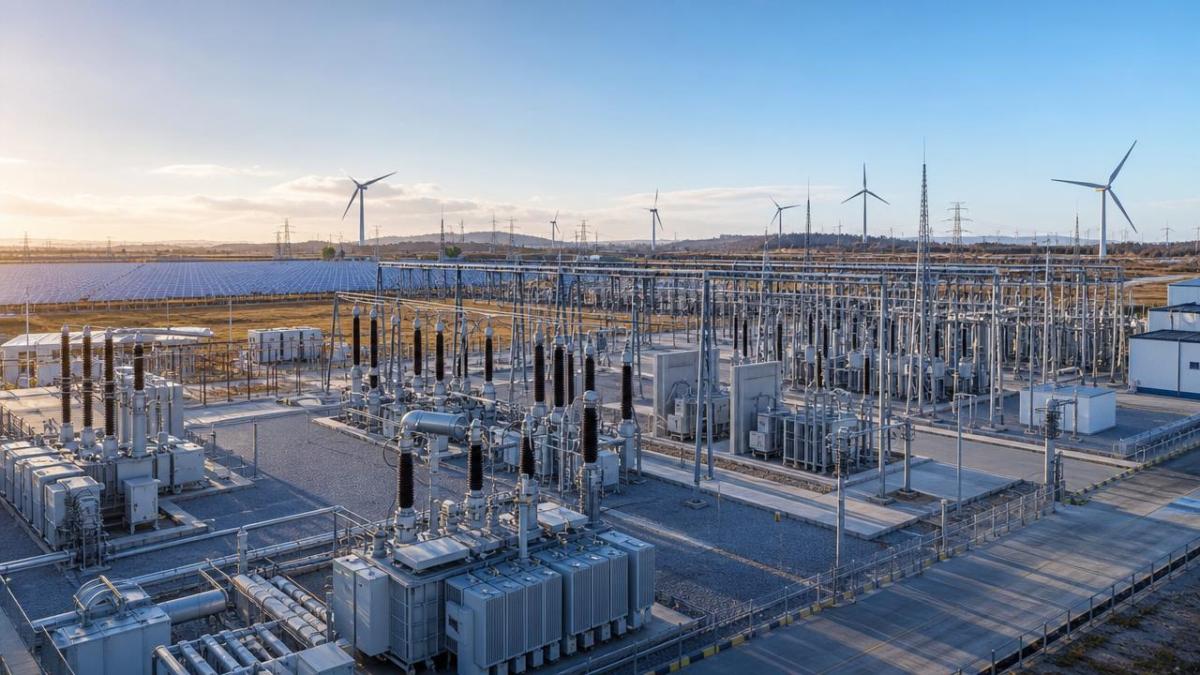
For large-scale grid expansion, UHV substations are strategic assets and demanding reliability platforms.
Their costs extend beyond equipment procurement, including land, insulation, protection, commissioning, maintenance, and operational risk control.
In renewable and smart-grid infrastructure, UHV decisions influence transmission efficiency, grid stability, and long-term energy transition economics.
Basic Definition and System Role of UHV Substations
A UHV substation connects, transforms, protects, and controls electricity at ultra-high voltage levels across long transmission corridors.
Typical UHV systems operate at voltage classes above conventional extra-high-voltage networks, often supporting bulk power transfer over vast distances.
The substation is not only a switching node. It is also a reliability barrier for cascading grid events.
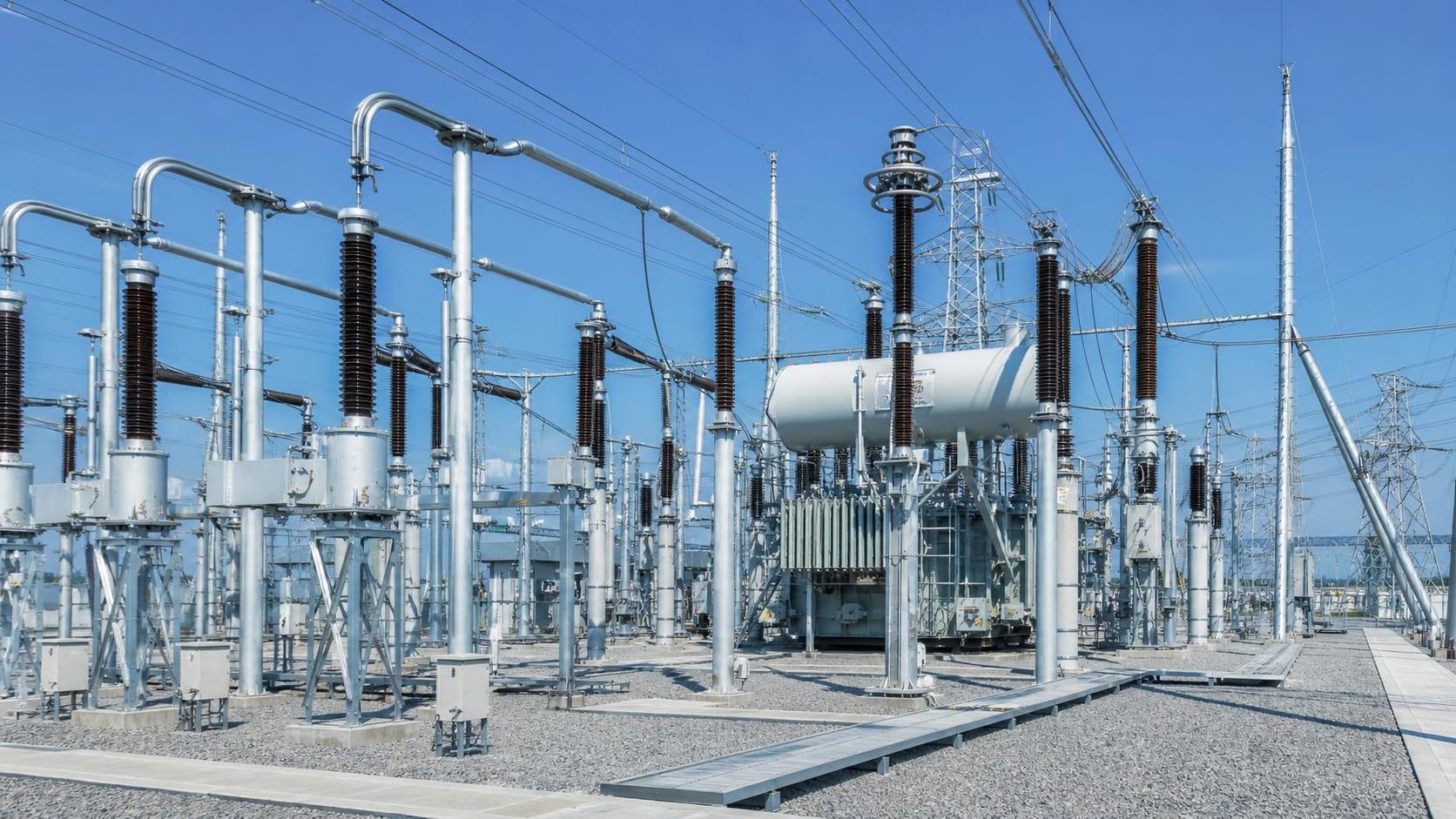
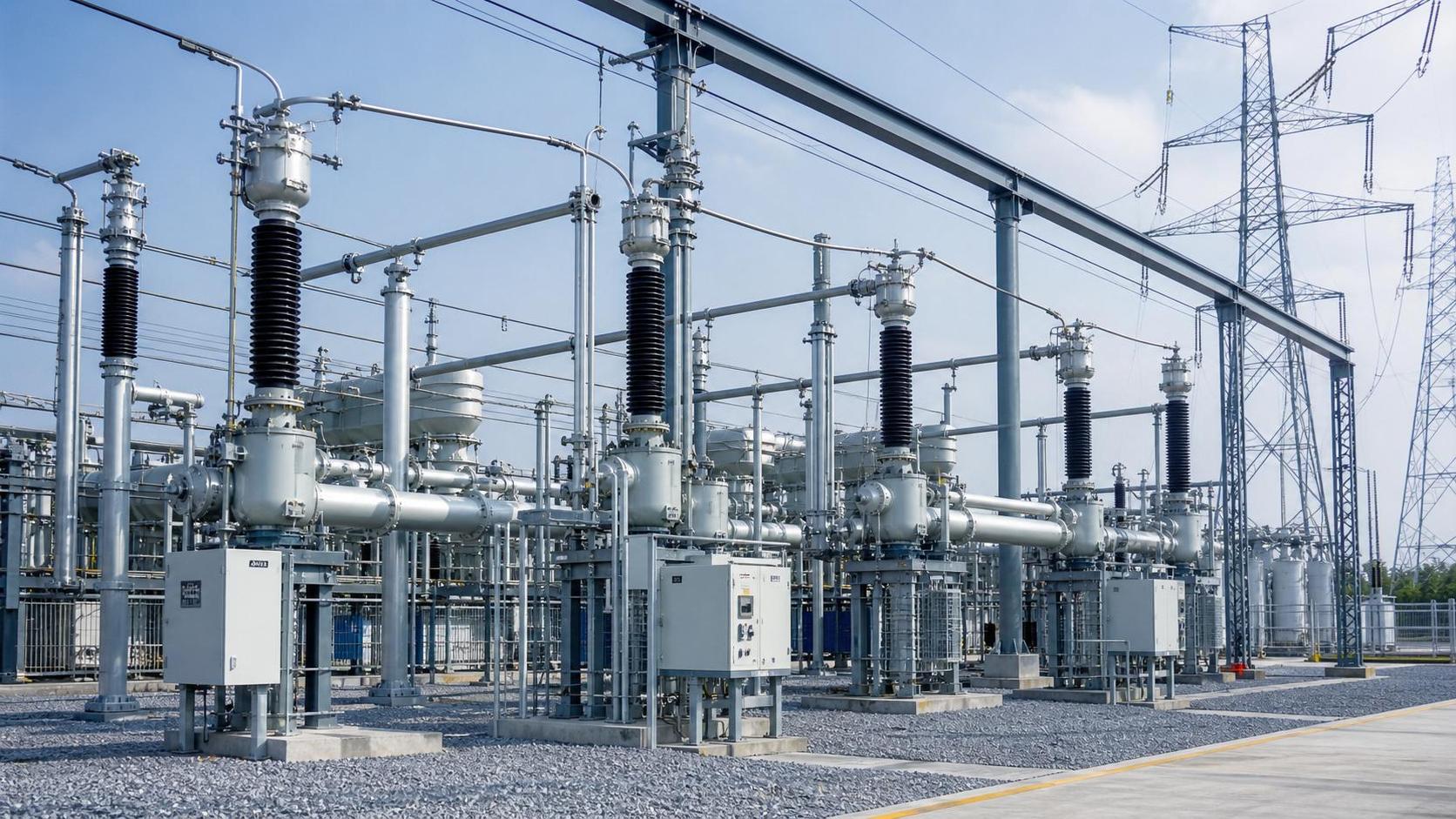
Key UHV components include transformers, reactors, circuit breakers, disconnectors, surge arresters, protection relays, control systems, and monitoring platforms.
In AC applications, UHV substations manage voltage support, reactive power, and synchronized grid operation.
In DC applications, UHV converter stations use power electronics, smoothing reactors, filters, valve halls, and complex control architecture.
Both configurations require disciplined engineering because one design weakness can affect regional supply security.
Industry Context and Current Investment Signals
The global energy system is shifting toward remote renewable generation and electrified demand centers.
UHV transmission helps bridge this geographic mismatch by reducing losses and increasing transfer capacity.
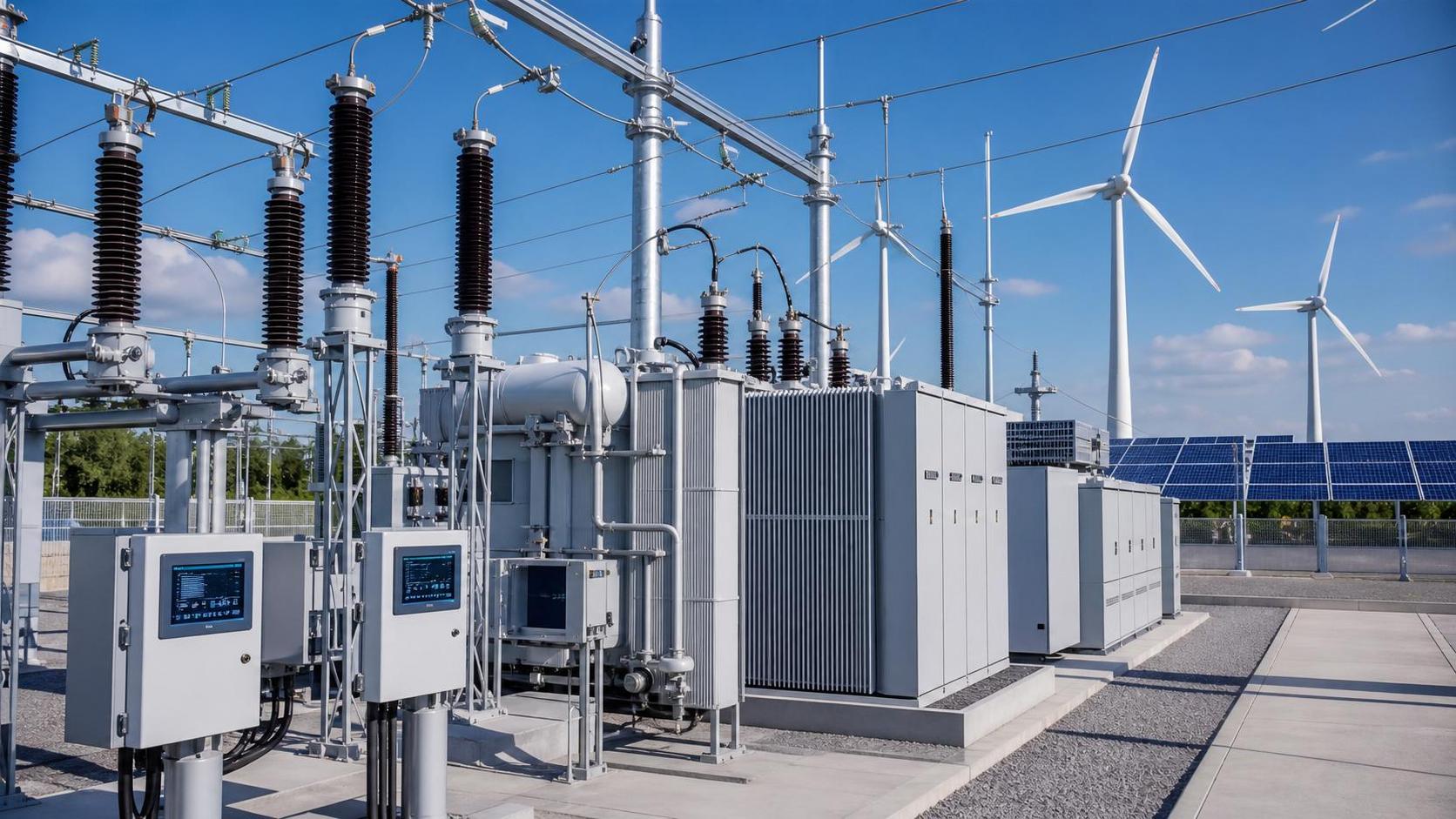
Large solar bases, offshore wind clusters, hydro resources, and interregional balancing markets all strengthen the UHV business case.
However, policy pressure and decarbonization targets do not remove engineering constraints.
Cost overruns often emerge when early planning underestimates geotechnical risk, electromagnetic constraints, logistics, or testing complexity.
Main Cost Drivers in UHV Substation Development
UHV capital expenditure is shaped by civil works, primary equipment, secondary systems, logistics, testing, and regulatory compliance.
The largest visible items are transformers, reactors, circuit breakers, busbars, instrument transformers, and insulation systems.
Yet hidden cost drivers may determine whether the final budget remains defensible.
Land, Layout, and Site Preparation
UHV substations require extensive clearances because insulation coordination and safety distances are more demanding than lower-voltage sites.
Site preparation can include grading, drainage, soil improvement, access roads, grounding networks, and electromagnetic environment control.
Land constraints can force compact layouts, gas-insulated equipment, or additional shielding, raising both capital and maintenance costs.
Primary Equipment and Supply Chain Exposure
UHV transformers and breakers are specialized assets with long manufacturing cycles and strict factory acceptance requirements.
Material prices, steel availability, copper costs, resin quality, and porcelain or composite insulator supply can affect procurement budgets.
Transporting oversized UHV equipment may require route reinforcement, bridge analysis, permits, and specialized lifting plans.
Protection, Control, and Digital Systems
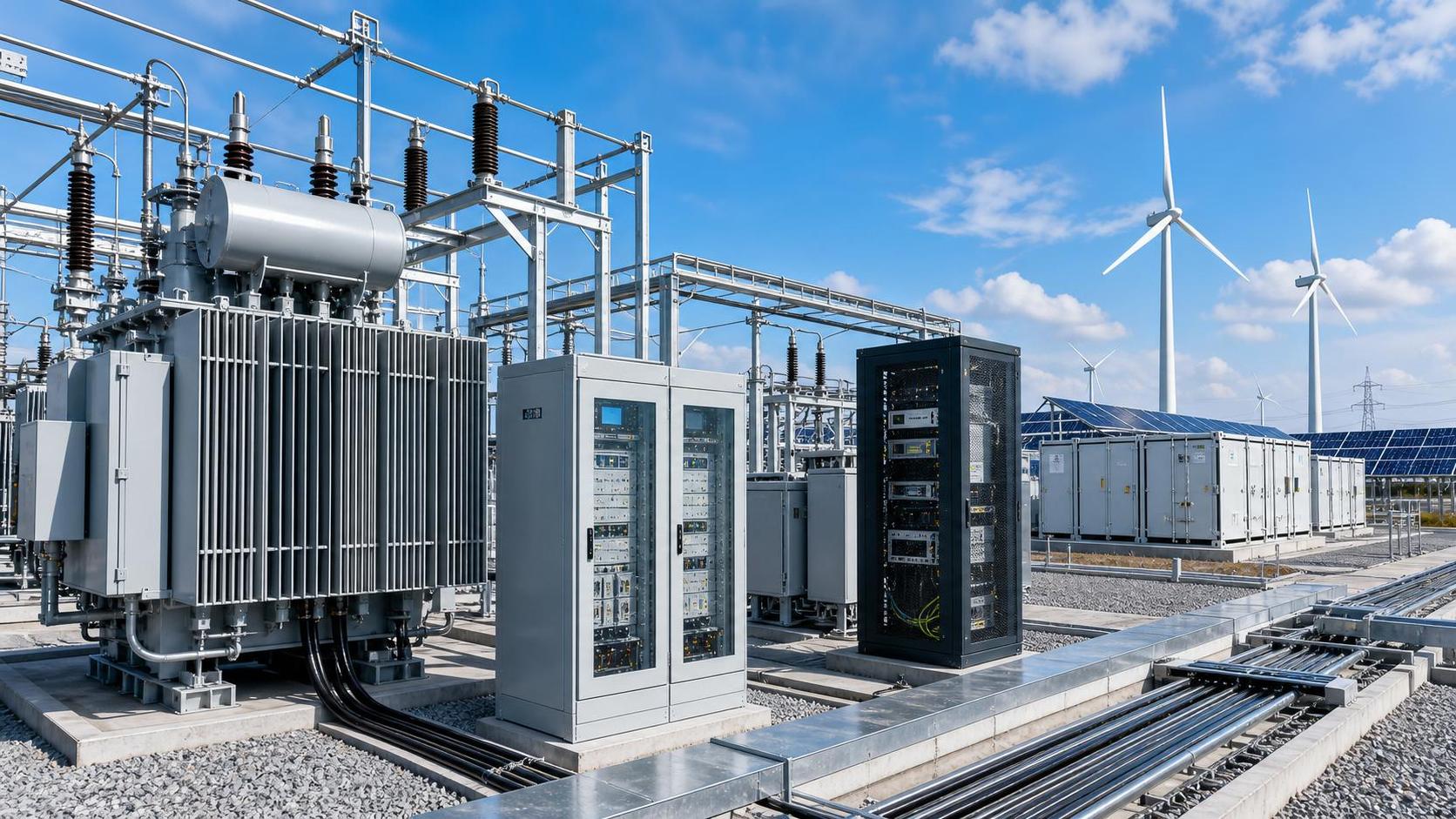
Modern UHV substations rely on protection relays, phasor measurement, SCADA integration, cybersecurity, and real-time diagnostics.
Digital systems can reduce outage duration, but weak integration can create commissioning delays.
Interoperability with IEC, IEEE, and utility-specific standards should be verified before procurement is locked.
Reliability Factors That Shape Lifecycle Performance
Reliability in UHV substations depends on equipment quality, system studies, maintenance discipline, and operating environment.
A low initial price can become expensive if availability, failure recovery, or spare strategy is inadequate.
Because UHV outages can affect wide areas, lifecycle reliability should be valued alongside capital cost.
- Insulation coordination must account for lightning, switching surges, pollution, altitude, and equipment tolerances.
- Grounding design must control step voltage, touch voltage, fault current, and electromagnetic interference.
- Thermal design must support peak loading, harmonic exposure, and seasonal weather variation.
- Protection selectivity must isolate faults quickly without unnecessary regional disconnection.
- Condition monitoring should cover transformers, breakers, arresters, bushings, reactors, and control cabinets.
Reliability also depends on human factors, including maintenance procedures, training, emergency drills, and change management.
Digital alarms are useful only when operating teams can interpret them and respond within defined time windows.
Business Value of Robust UHV Substation Planning
Well-planned UHV substations improve renewable energy delivery, grid resilience, and asset utilization.
They also reduce curtailment by transferring remote generation to industrial, urban, and cross-regional demand centers.
For renewable projects, transmission reliability can influence bankability, PPA execution, and grid-access confidence.
For smart-grid programs, UHV assets create the physical backbone for flexible dispatch and regional balancing.
The business case becomes stronger when UHV substations are evaluated through total cost of ownership.
This includes capital expenditure, outage cost, spare inventory, inspection labor, energy losses, and end-of-life replacement planning.
Typical UHV Substation Scenarios and Object Classification
Different UHV substation scenarios require different cost and reliability priorities.
A renewable export station may prioritize transfer capacity and reactive compensation.
A load-center receiving station may emphasize fault tolerance, compact layout, and distribution interface stability.
Practical Planning Recommendations and Risk Controls
Effective UHV planning starts with system studies before finalizing layouts or equipment specifications.
Load flow, short-circuit, transient stability, insulation, harmonic, and electromagnetic studies should be aligned.
Early studies reduce redesign risk and clarify whether AC, DC, or hybrid UHV configurations are appropriate.
- Define performance requirements before selecting equipment vendors or digital platforms.
- Use lifecycle costing instead of comparing only initial purchase prices.
- Confirm insulation margins under altitude, pollution, humidity, and switching surge conditions.
- Plan spare parts for long-lead UHV equipment, especially transformers, bushings, and breaker components.
- Integrate cybersecurity requirements into protection, control, and remote monitoring design.
- Schedule factory tests, site acceptance tests, energization rehearsals, and emergency procedures early.
Commissioning deserves special attention because UHV substations contain many interdependent systems.
Testing should verify primary equipment, secondary circuits, communication links, alarms, interlocks, and protection logic.
A staged energization plan can reduce operational uncertainty and support controlled issue resolution.
Maintenance, Data, and Long-Term Reliability Management
After energization, UHV performance depends on inspection routines, condition-based maintenance, and data governance.
Oil analysis, dissolved gas monitoring, infrared inspection, partial discharge tracking, and breaker timing tests provide early warnings.
Digital twins and asset health indices can support maintenance prioritization when data quality is consistent.
However, monitoring tools should not replace engineering judgment or field verification.
Reliable UHV operation requires documented thresholds, escalation rules, maintenance records, and root-cause analysis after abnormal events.
This discipline helps reduce repeated failures and supports evidence-based asset renewal decisions.
Actionable Next Steps for UHV Project Evaluation
A strong UHV evaluation should combine technical benchmarking, cost modeling, reliability assessment, and regulatory review.
The next step is to build a structured decision matrix for the target substation scenario.
That matrix should compare layout options, equipment packages, protection design, maintenance strategy, and commissioning risk.
G-REI supports this approach through multidisciplinary benchmarking across renewable energy, smart-grid infrastructure, storage, and digital grid systems.
By aligning UHV cost control with reliability engineering, projects can improve schedule certainty and long-term grid value.
The most resilient UHV substations are not simply expensive assets. They are carefully integrated systems built for decades of secure operation.
Deep Dive
Related Intelligence
- How to size UHV equipment for grid projects with high fault levelsAuthor :

- How to Evaluate UHV Switchgear for Substation ReliabilityAuthor :

- Smart Grid Solutions for Substations in Retrofit Projects: Where ROI Comes FromAuthor :

- Smart Grid Solutions for Substations: 5 Checks Before System SelectionAuthor :