India Proposes 15% Safeguard Duty on UHV Parts
Key Takeaways
- How grid access delays are reshaping renewable project timelines in Latin AmericaDr. Elena Volt
- What drives energy storage systems price per kWh for commercial projects?Dr. Julian Volt
- What manufacturers should compare in emissions tracking softwareLina Cloud
- Why high-net-worth buyers are reshaping demand for automotive technologyDr. Aris Sun
- Can project tender intelligence software improve bid opportunity quality?Lina Cloud
- Which metrics reveal whether a P2P energy trading platform is working?Lina Cloud
- When does strategic link acquisition improve a clean energy site's authority?Dr. Aris Sun
- What drives solar street lighting cost for a new installation?Dr. Aris Sun
Industry Overview
Our mission is to safeguard the future of global renewable energy development through verifiable data, interdisciplinary academic scrutiny, and unwavering industry integrity.
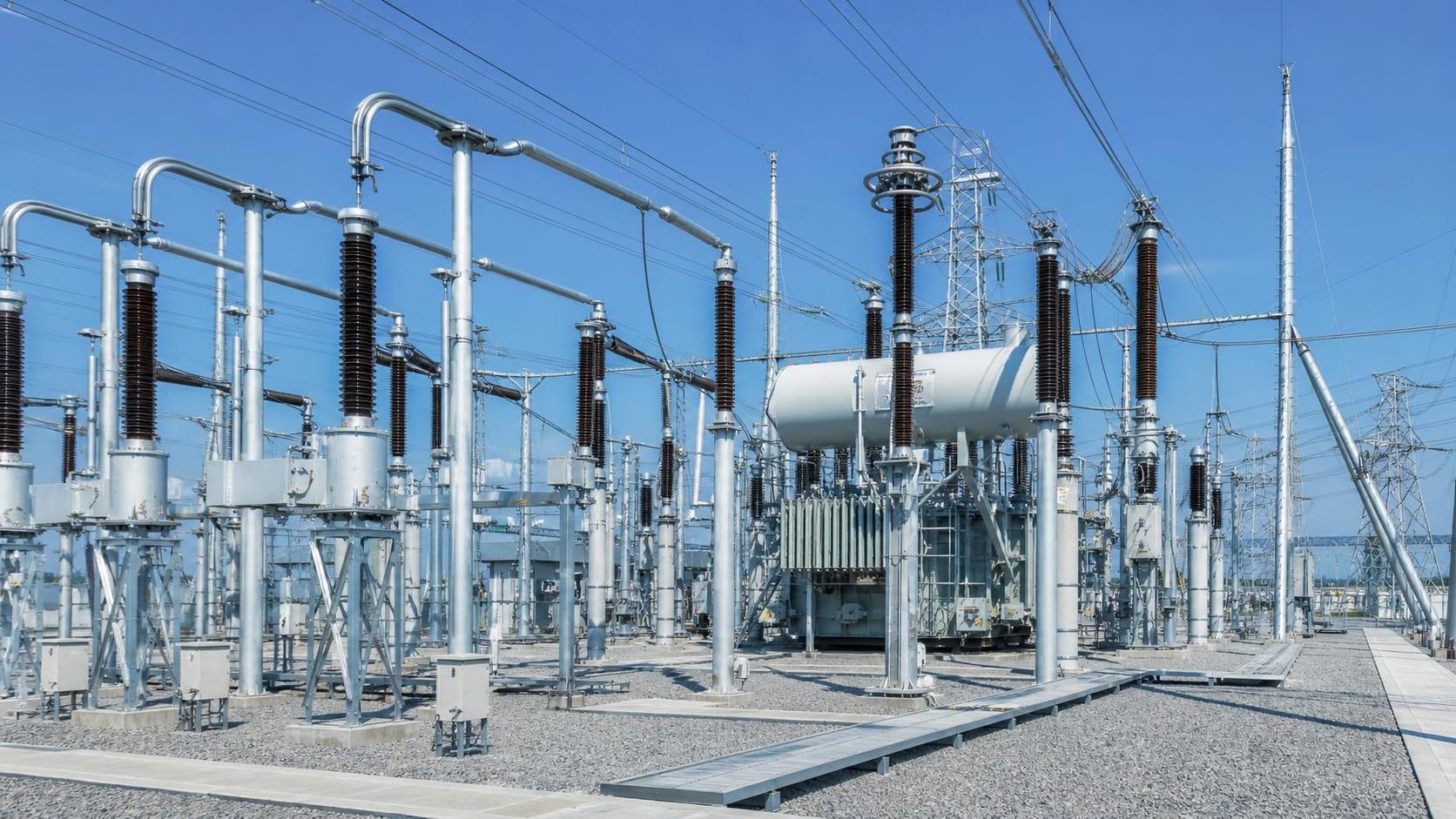
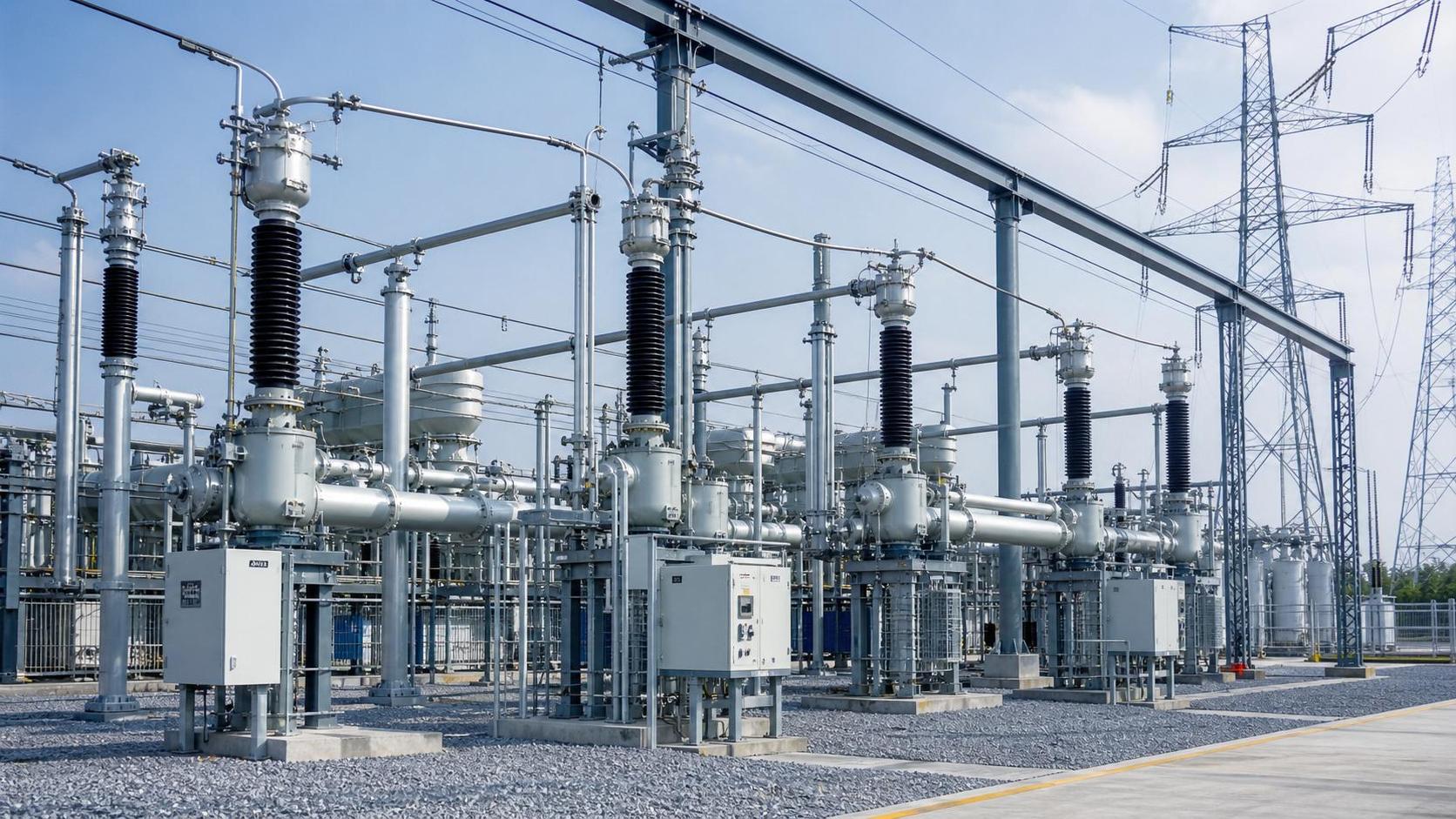
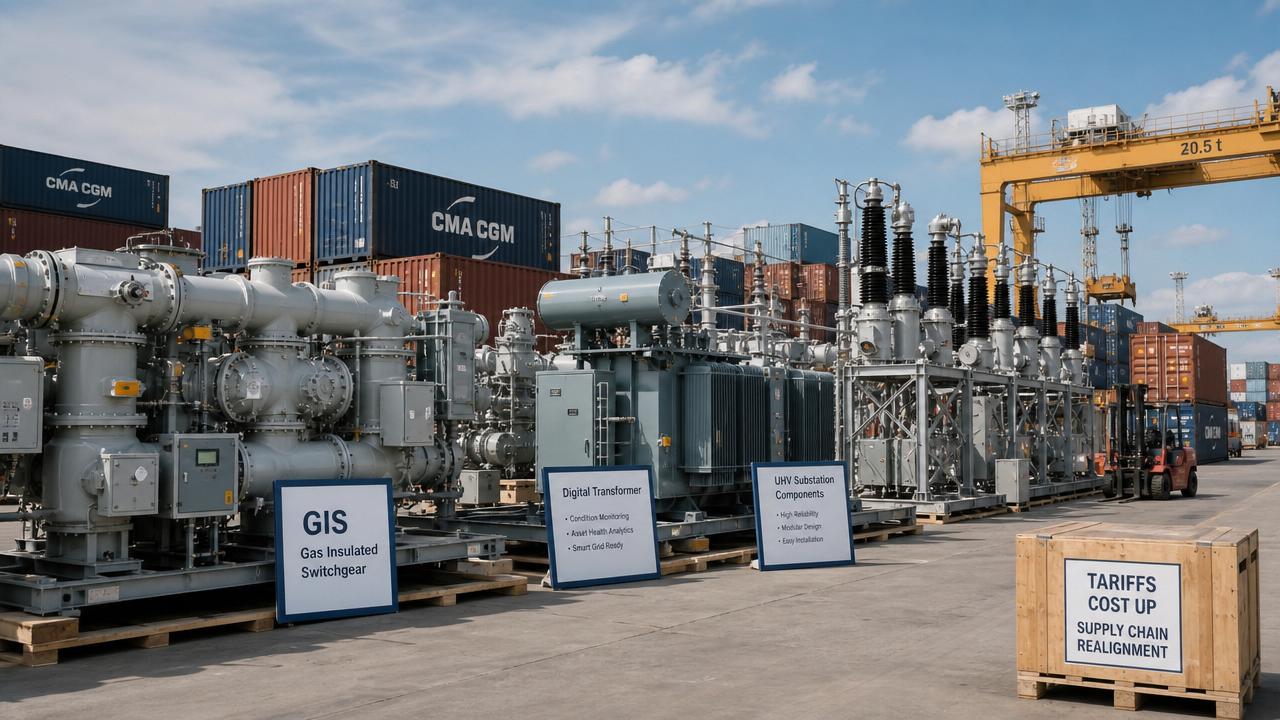
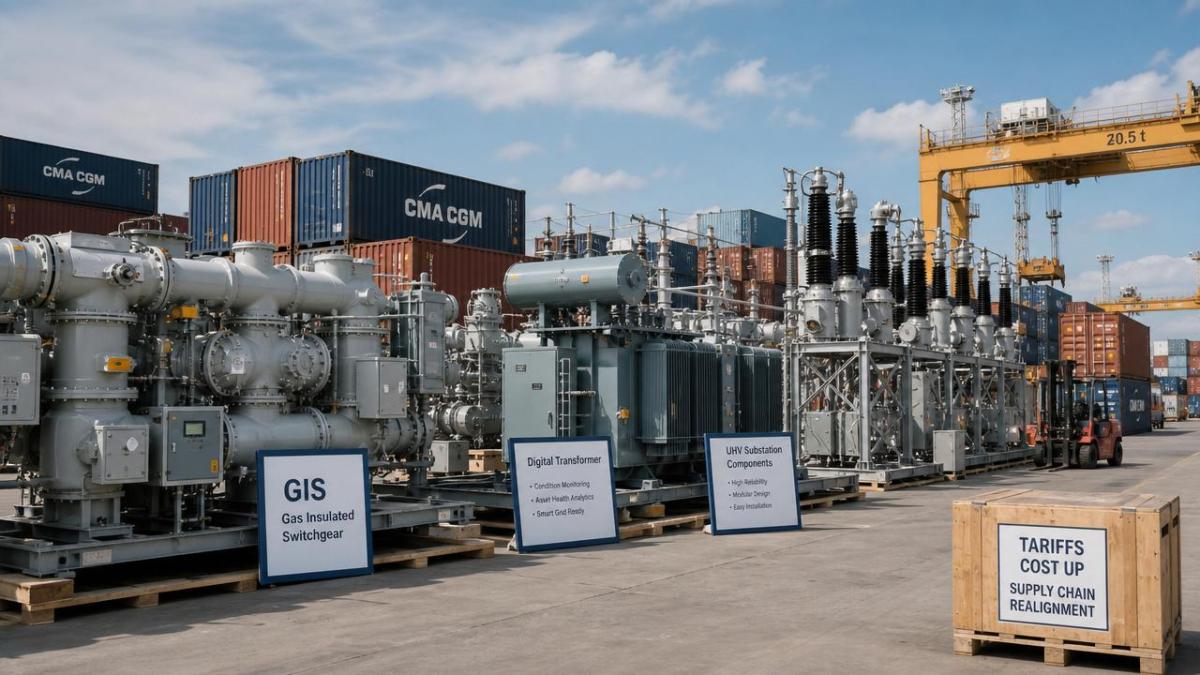
On June 12, 2026, India’s Ministry of Commerce and Industry issued a final safeguard investigation notice proposing a 15% temporary safeguard duty for 200 days on key power equipment components including GIS switchgear, digital transformers, and core parts used in UHV substations such as high-voltage bushings and SF6 circuit breakers. For exporters, importers, project suppliers, and procurement teams tied to cross-border power equipment trade, this development is worth close attention because it directly affects customs costs and may weaken price competitiveness in the Indian market.
What the June 12 notice confirms
The confirmed information is limited but commercially significant. India published a final public notice on June 12, 2026 regarding safeguard measures for critical power equipment. According to the information provided, the proposed measure covers GIS switchgear, digital transformers, and key components for UHV substations including high-voltage bushings and SF6 circuit breakers. The proposed rate is 15%, and the proposed duration is 200 days. The stated purpose is to ease a domestic capacity gap in ultra-high-voltage equipment, while the direct consequence identified in the notice summary is higher customs clearance costs and weaker end-price competitiveness for Chinese exporters.
Where the pressure is likely to appear first
Export quotations may come under immediate strain
From an industry perspective, direct trading companies are likely to feel the effect first because the proposed duty changes the landed cost structure for covered products. The main pressure point is not only at customs, but also in quotation validity, customer negotiations, and order conversion where price sensitivity is high.
Manufacturing plans may need closer market segmentation
For processing and manufacturing companies that supply the covered components, the key issue is whether India-facing shipments remain commercially workable during the 200-day period. Analysis shows that affected businesses may need to distinguish more clearly between India-bound orders and shipments for other markets, especially where delivery schedules and pricing commitments are already in place.
Supply chain and service partners face execution risks
Supply chain service providers, including customs, logistics, and trade execution teams, may be affected because the policy changes the practical handling of covered goods. What deserves closer attention is whether documentation, product classification, and shipment timing align with the final official wording and implementation details, since these factors can influence cost exposure and delivery planning.
Buyers and project-side procurement may reassess timing
For procurement teams and end-use project participants, the effect may show up in budget reviews, supplier comparison, and delivery decisions. Observably, even a temporary duty can alter purchasing rhythm if buyers expect higher import costs or seek to compare imported equipment with domestic alternatives during the safeguard period.
What companies should track now
Watch the exact official wording that follows the notice
Analysis shows that companies should focus on how the measure is ultimately expressed in official implementation language, especially around product scope and applicable conditions. A proposal and its practical enforcement are not always identical in business impact, so the precise wording matters.
Review exposure by product line and customer contract
Businesses with exports involving GIS switchgear, digital transformers, high-voltage bushings, or SF6 circuit breakers should map their exposure by product, destination, and order status. The practical priority is to identify which quotations, contracts, and shipments could face immediate cost pressure if the proposed duty is applied as announced.
Prepare documentation and customer communication early
What deserves closer attention is operational readiness. Companies may need to review product descriptions, customs-related documents, delivery timing, and customer communication plans so they can respond quickly if buyers request revised pricing, adjusted delivery terms, or clarification on policy scope.
Separate policy signal from order-level execution
From an industry perspective, firms should avoid treating the notice only as a headline policy event. The more practical question is how the 200-day measure could affect actual order execution, margin protection, and negotiation leverage in the Indian market during the proposed period.
Why this matters beyond the headline
This section is an editorial observation rather than a statement of fact. Analysis shows that the notice is important not only because of the proposed 15% duty, but because it signals a more direct policy link between domestic capacity concerns and import cost management in critical power equipment. At the same time, it is more appropriate to understand this as a live industry development that still requires continued tracking, rather than as a complete and settled long-term market outcome based only on the information currently available.
How the market may best read this stage
At this stage, the development is best understood as a short-term policy move with immediate commercial implications and a broader signal that deserves monitoring. The confirmed facts already point to higher cost pressure for affected cross-border equipment trade, but the full business impact will depend on subsequent official wording, execution details, and how market participants adjust pricing, procurement, and delivery decisions.
Basis of this article and what still needs verification
This article is based on the user-provided news title, event date, and event summary. For developments of this type, relevant source categories usually include official government notices, company disclosures, industry association updates, authoritative media coverage, and standards-related documents. A specific official source link was not provided in the input, so the exact source document path still requires ongoing verification. Follow-up attention should remain on any further official clarification regarding product coverage, application rules, and practical implementation.
Deep Dive
Related Intelligence
- How to size UHV equipment for grid projects with high fault levelsAuthor :

- How to Evaluate UHV Switchgear for Substation ReliabilityAuthor :

- Smart Grid Solutions for Substations in Retrofit Projects: Where ROI Comes FromAuthor :

- Smart Grid Solutions for Substations: 5 Checks Before System SelectionAuthor :