Global Methanol Electrification Alliance Launches Carbon-Tracking Certification
Key Takeaways
- How grid access delays are reshaping renewable project timelines in Latin AmericaDr. Elena Volt
- What drives energy storage systems price per kWh for commercial projects?Dr. Julian Volt
- What manufacturers should compare in emissions tracking softwareLina Cloud
- Why high-net-worth buyers are reshaping demand for automotive technologyDr. Aris Sun
- Can project tender intelligence software improve bid opportunity quality?Lina Cloud
- Which metrics reveal whether a P2P energy trading platform is working?Lina Cloud
- When does strategic link acquisition improve a clean energy site's authority?Dr. Aris Sun
- What drives solar street lighting cost for a new installation?Dr. Aris Sun
Industry Overview
Our mission is to safeguard the future of global renewable energy development through verifiable data, interdisciplinary academic scrutiny, and unwavering industry integrity.
On May 5, 2026, the launch of the Global Methanol Electrification Alliance (GMEA) marked a pivotal regulatory inflection point for the green hydrogen and low-carbon marine fuel value chain. Spearheaded by Equinor (Norway), Mingyang Smart Energy (China), Keppel Corporation (Singapore), and nine other energy and industrial manufacturers, the initiative introduces the first industry-led certification framework explicitly linking offshore wind power, green hydrogen production, and methanol synthesis under unified carbon intensity and traceability requirements — with immediate implications for international trade, project financing, and supply chain compliance across emerging green export hubs.
Event Overview
On May 5, 2026, the Global Methanol Electrification Alliance (GMEA) was formally established by 12 energy and manufacturing enterprises, including Equinor, Mingyang Smart Energy, and Keppel. The alliance launched the ‘Carbon Tracking + Offshore Turbines’ joint certification framework, mandating that green methanol derived from offshore wind–powered electrolysis maintain a full-lifecycle carbon intensity of ≤0.3 kg CO₂e/kg and be registered on a permissioned blockchain carbon tracing platform. Oman and Chile have since adopted this framework as a prerequisite for permitting and offtake eligibility in new green hydrogen and e-methanol export projects.
Industries Affected
Direct Trading Enterprises
Trading firms facilitating cross-border methanol or hydrogen offtake are directly impacted because the GMEA framework redefines contractual ‘greenness’ verification. Compliance is now tied not only to production method but also to certified upstream electricity source (offshore wind only), real-time emissions tracking, and immutable ledger registration — raising due diligence burdens and potentially delaying contract execution where legacy verification protocols (e.g., GHG Protocol Scope 2 only) remain in use.
Raw Material Procurement Enterprises
Companies sourcing green hydrogen or renewable electricity for methanol synthesis — especially those operating in jurisdictions without domestic offshore wind capacity — face intensified procurement constraints. The certification’s explicit exclusion of onshore wind, solar PV, or grid-mix electricity means procurement strategies must now prioritize geographically co-located offshore wind assets or structured PPAs backed by verified offshore generation, narrowing viable sourcing options and increasing negotiation complexity with developers.
Processing & Manufacturing Enterprises
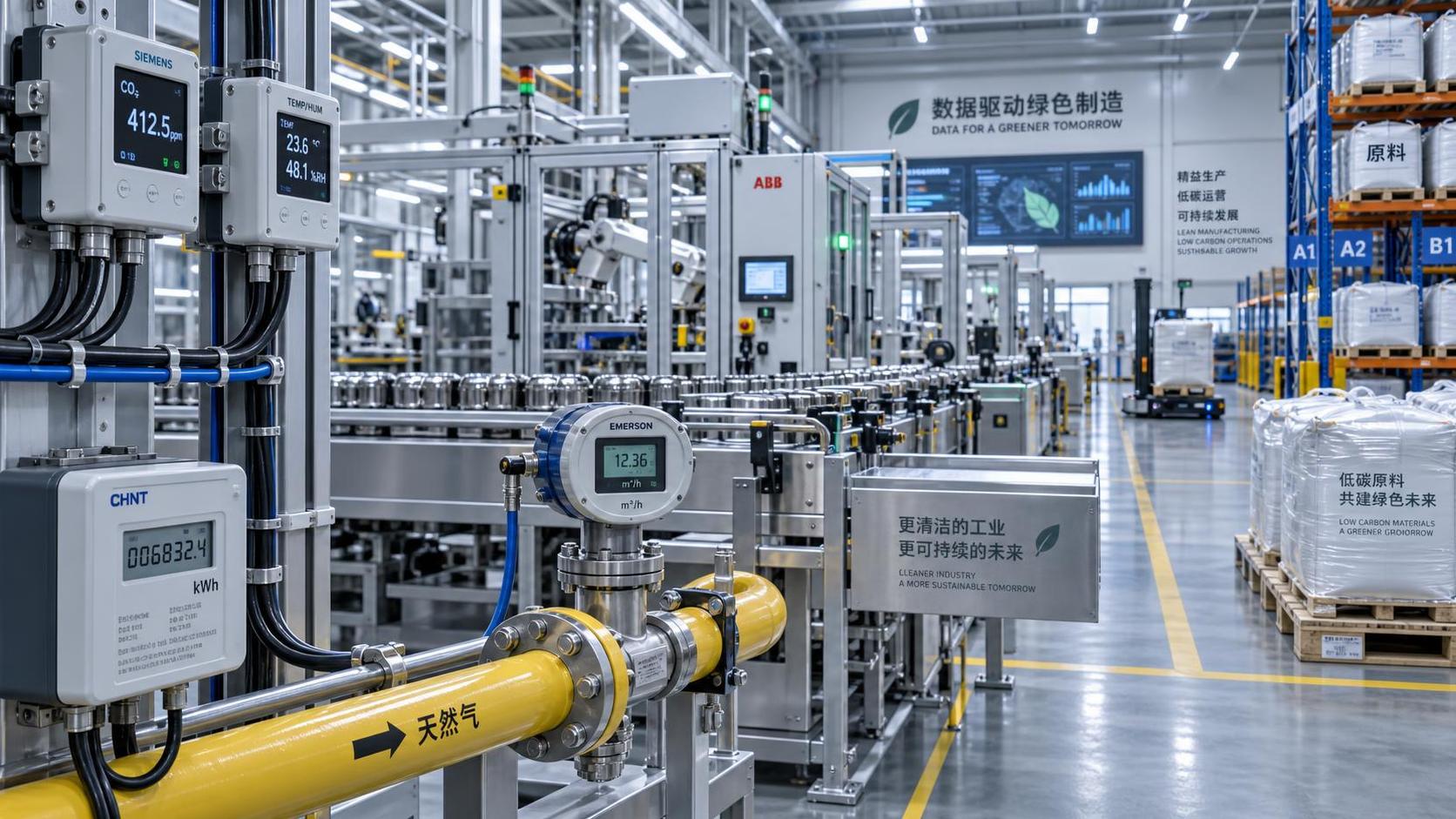
Methanol producers integrating electrolyzers or retrofitting existing plants must adapt engineering specifications, control systems, and QA/QC documentation to meet GMEA’s dual-layer requirement: physical integration with certified offshore turbines and digital integration with the blockchain traceability platform. This implies new capital expenditure for metering infrastructure, API development, and third-party audit readiness — particularly for brownfield facilities lacking real-time process emissions monitoring.
Supply Chain Service Providers
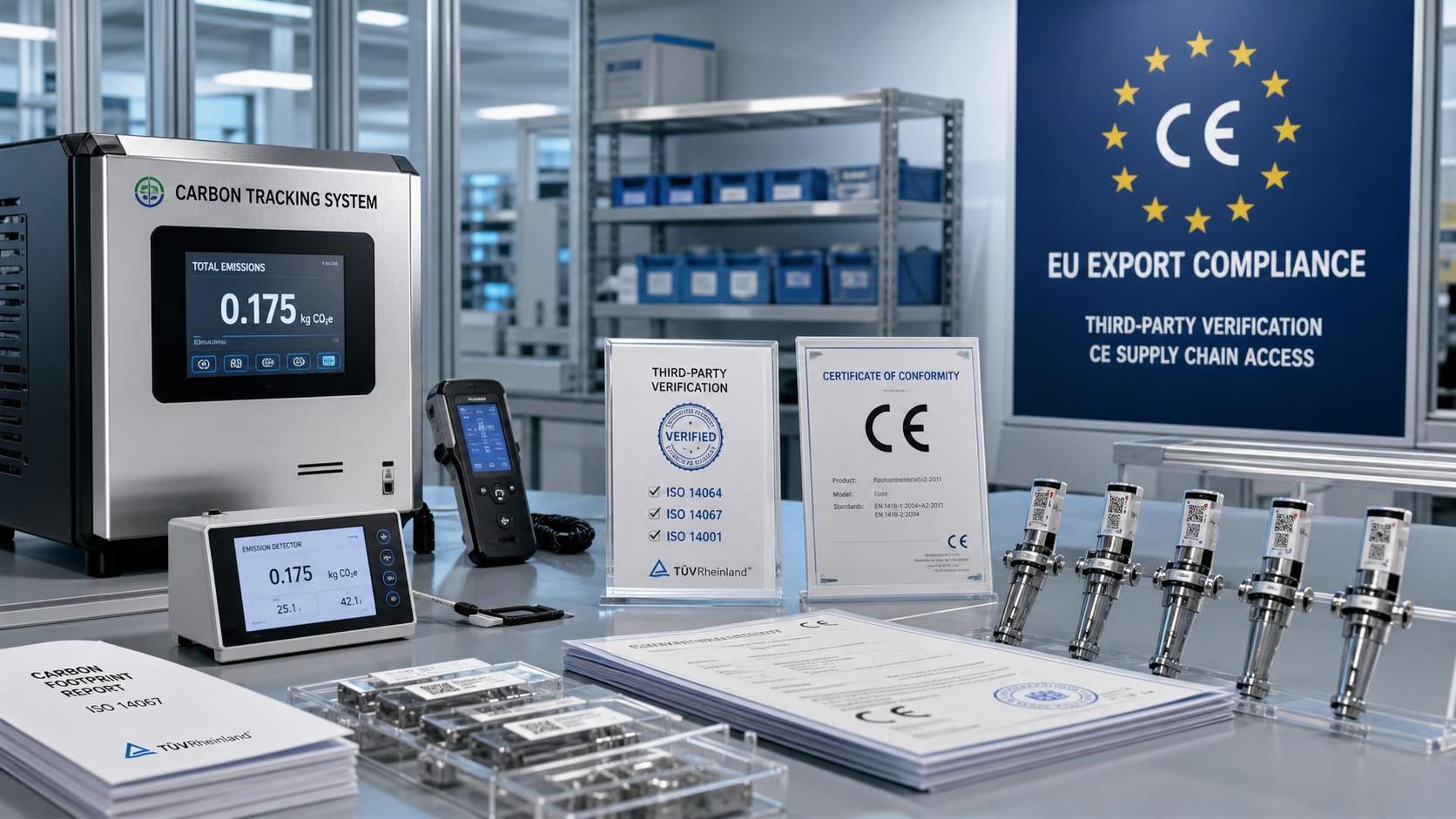
Verification bodies, blockchain platform vendors, maritime logistics operators, and classification societies are experiencing demand shifts. Notably, traditional certifiers must now demonstrate competence in both offshore wind LCA boundary definition and distributed ledger-based emissions attestation — a capability gap observed in early market surveys. Meanwhile, shipping companies handling green methanol cargoes may soon face charter party clauses requiring GMEA-compliant documentation, triggering updates to vessel reporting systems and crew training protocols.
Key Considerations and Recommended Actions
Align procurement contracts with GMEA’s electricity origin criteria
Enterprises should revise hydrogen or methanol offtake agreements to specify offshore wind as the sole eligible electricity source and require embedded proof-of-origin data feeds compatible with the GMEA blockchain platform — avoiding reliance on generic ‘renewable’ labels or annual PPA certificates alone.
Conduct gap assessments on current traceability infrastructure
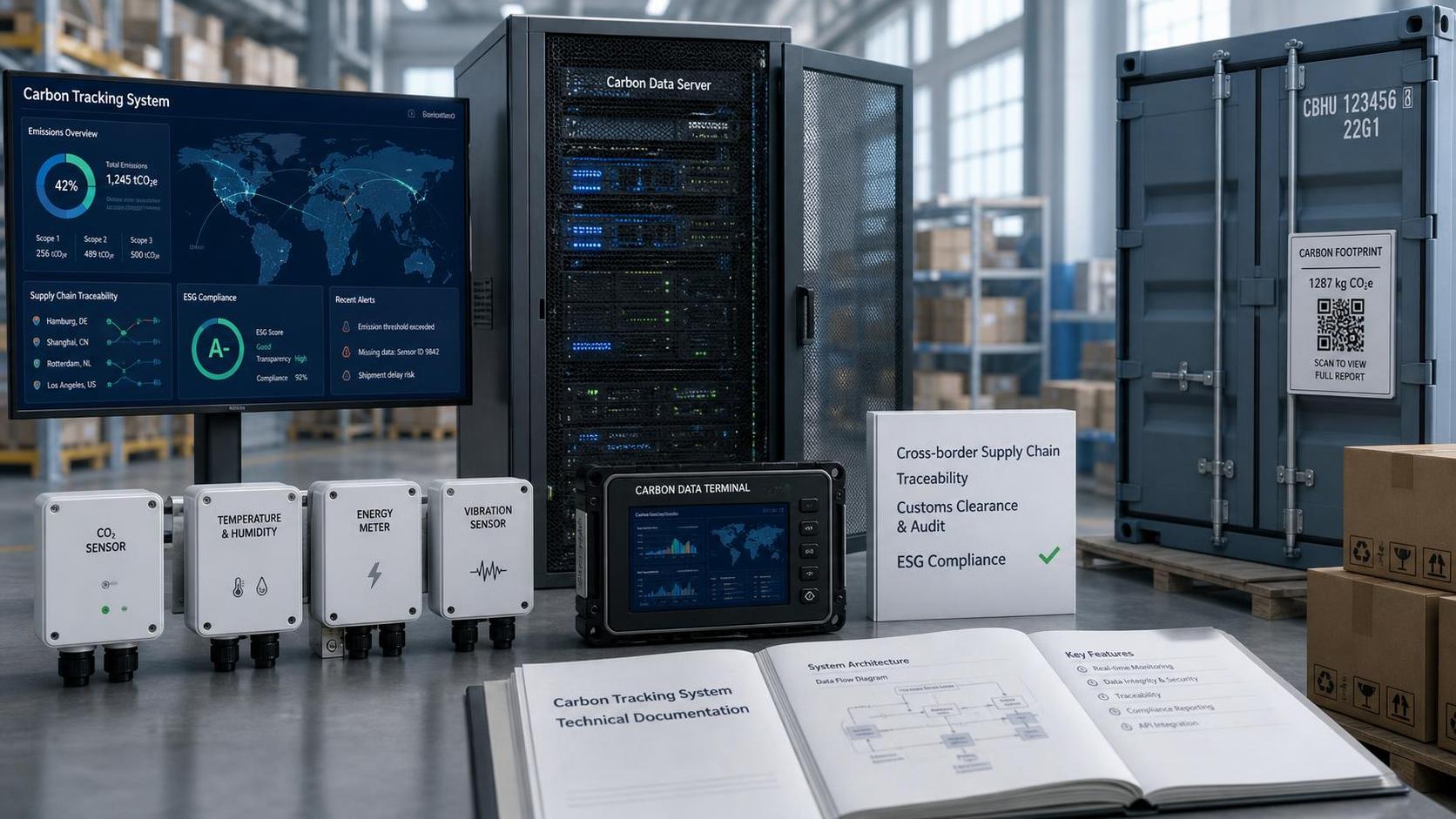
Manufacturers and traders must evaluate whether existing emissions accounting systems support real-time, granular (hourly/sub-hourly) data ingestion from turbine SCADA, electrolyzer controllers, and distillation units — as GMEA’s certification requires time-synchronized inputs, not annual averages.
Engage early with national regulators in target export markets
Given Oman and Chile’s adoption of GMEA criteria as de facto entry conditions, project developers should initiate pre-submission dialogues with respective energy ministries and environmental agencies to clarify local implementation guidance — especially regarding data sovereignty, audit frequency, and fallback mechanisms during platform downtime.
Editorial Perspective / Industry Observation
Observably, the GMEA framework does not represent a technical standard per se but rather a coordinated market signal — one that leverages buyer-side leverage (via anchor offtakers among founding members) to accelerate harmonization where international standards bodies (e.g., ISO, IEC) have yet to finalize consensus. Analysis shows its ≤0.3 kg CO₂e/kg threshold sits ~40% below the current IEA-recommended upper bound for ‘green’ methanol, suggesting the alliance intends to establish a premium tier rather than baseline compliance. From an industry perspective, this move reflects growing investor pressure to decouple ‘green’ claims from geographic or temporal matching loopholes — and signals a broader shift toward operationalized, not just theoretical, carbon accountability.
Conclusion
The formation of the GMEA and its certification framework marks less a departure from existing sustainability efforts and more a tightening of their enforcement logic: carbon intensity is now inseparable from energy source provenance and digital traceability. For stakeholders across the marine fuel and green chemical sectors, the implication is pragmatic — alignment will increasingly be measured not in policy statements or ESG reports, but in auditable, time-stamped data flows. A rational interpretation is that this represents the first major test of whether voluntary industry coalitions can drive faster, more granular decarbonization than intergovernmental processes — with tangible consequences for competitiveness, capital access, and market access alike.
Source Attribution
Official founding announcement: Global Methanol Electrification Alliance Secretariat (May 5, 2026); Regulatory notices: Oman Ministry of Energy and Minerals (Circular No. EM/2026/07, effective June 1, 2026); Chilean National Energy Commission (Resolution N° 189/2026). Note: Implementation guidelines, audit protocols, and blockchain platform architecture remain under development; ongoing monitoring advised.
Deep Dive
Related Intelligence