Global Methanol Electrification Alliance Launched
Key Takeaways
- Shin-Etsu Raises PVC Resin Prices, Impacts Wind Component CostsMarcus Wind
- Global Methanol Electrification Alliance LaunchedLina Cloud
- TÜV Rheinland Updates Offshore Turbine Carbon Verification: Carbon Blade Recycling Rate Now MandatoryMarcus Wind
- EU CE-RENEW Rule Mandates EPD for Nacelle Systems from June 2026Marcus Wind
- FCC Mandates EMI Immunity for Sub-1GHz BMS/EMS ModulesDr. Julian Volt
- ADWEA Launches International Tender for Tracking Systems with Sandstorm Aging CertificationDr. Aris Sun
- India Extends N-Type Module Tariff Exemption to 2026, Adds Photon Yield ThresholdDr. Aris Sun
- U.S. DOE Adds 3 Chinese VPP Platforms to Grid Resilience White ListLina Cloud
Industry Overview
Our mission is to safeguard the future of global renewable energy development through verifiable data, interdisciplinary academic scrutiny, and unwavering industry integrity.
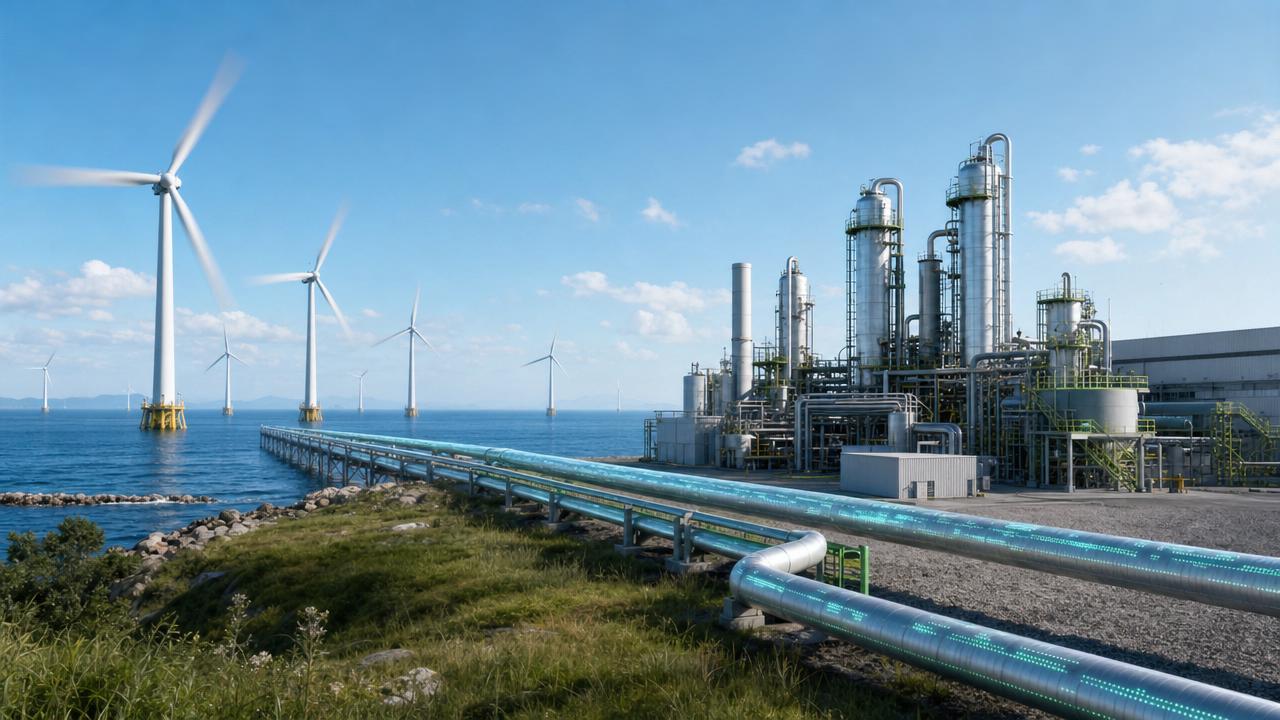
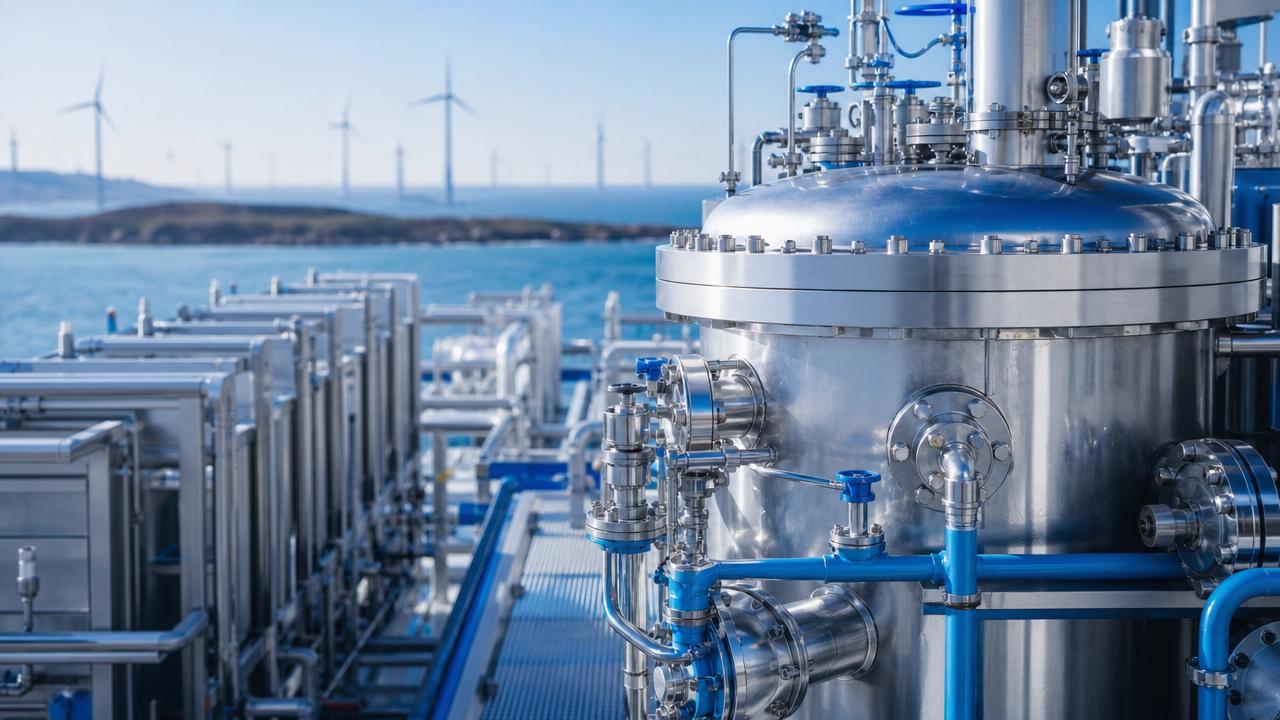
On May 3, 2026, the Global Methanol Electrification Alliance (GMEA) was formally established in Oslo, bringing together 12 organizations including Equinor (Norway), China State Shipbuilding Corporation, and Siemens Energy (Germany). The initiative introduces the ‘Green H2-Offshore Certification’ — a new traceability framework requiring green hydrogen produced using electricity from offshore wind turbines to be verified end-to-end via blockchain-based carbon tracking, covering power generation, electrolysis, and methanol synthesis. Chinese certification laboratories are explicitly invited to join the verification network. This development is especially relevant for stakeholders in offshore renewable energy, green hydrogen production, marine decarbonization, and low-carbon fuel supply chains.
Event Overview
On May 3, 2026, the Global Methanol Electrification Alliance (GMEA) was launched in Oslo. Founding members include Equinor, China State Shipbuilding Corporation, Siemens Energy, and nine other institutions — totaling 12. The alliance’s inaugural certification program is the ‘Green H2-Offshore Certification’, which mandates blockchain-enabled carbon tracking across the full value chain: from offshore turbine electricity generation, through electrolytic hydrogen production, to downstream methanol synthesis. The certification framework is designed to support third-party verification and explicitly enables participation by accredited laboratories in China.
Impact on Specific Industry Segments
Offshore Wind Equipment & Project Developers
These stakeholders face new alignment requirements between turbine deployment and downstream hydrogen/methanol certification criteria. Impact arises because the certification ties turbine location, grid connection type, and real-time power dispatch data directly to hydrogen carbon intensity claims. Verification readiness — including metering infrastructure, data interface protocols, and audit trail documentation — will now influence project financing and offtake agreement terms.
Green Hydrogen Producers (Electrolyzer Operators)
Producers supplying hydrogen for certified methanol synthesis must ensure their electrolyzers are demonstrably powered by eligible offshore wind sources and integrated into the GMEA’s blockchain tracking system. Impact includes added operational overhead for data ingestion, timestamped energy attribution, and interoperability with certification authorities. Non-compliance may limit access to premium markets where GMEA-certified methanol is specified.
Methanol Synthesis & Fuel Blending Facilities
Facilities producing e-methanol for maritime or industrial use may encounter new upstream sourcing requirements. The certification imposes traceability obligations not only on hydrogen feedstock but also on CO₂ sourcing (though not detailed in the announcement). Impact manifests in procurement vetting, contract clauses, and potential need for dual-track production lines — one aligned with GMEA standards and one without.
Certification & Testing Service Providers
Accredited labs — particularly those in China now invited to join — face expanded scope of work related to data validation, hardware-software interface auditing, and cross-border verification coordination. Impact includes demand for new competencies in blockchain data forensics, energy attribute certificate (EAC) reconciliation, and offshore wind power profiling. Early engagement with GMEA’s technical working groups may shape future accreditation pathways.
Editorial Perspective / Industry Observation
This is primarily a signal — not yet an operational standard
Analysis shows the GMEA launch reflects growing institutional coordination around verifiable green hydrogen origin, but no mandatory compliance timeline, regulatory adoption, or market enforcement mechanism has been announced. Its current weight lies in shaping expectations among shipowners, fuel buyers, and policy drafters — rather than imposing immediate obligations.
The focus on offshore wind + blockchain coupling is distinctive
Observably, this differs from broader green hydrogen certifications (e.g., GH2, CertifHy) by tightly binding eligibility to a specific generation source (offshore turbines) and a specific digital infrastructure (blockchain carbon tracking). It signals a move toward source- and pathway-specific credentials — suggesting future certification fragmentation across generation types and geographies.
China’s inclusion as a verification node is strategically significant
From an industry perspective, explicit openness to Chinese labs suggests intent to build interoperable transboundary verification — potentially easing export compliance for Chinese-built electrolyzers, turbines, or methanol plants targeting European or international shipping markets. However, actual implementation depends on technical harmonization and mutual recognition agreements yet to be disclosed.
Conclusion
The formation of the Global Methanol Electrification Alliance marks a coordinated step toward standardized, source-specific green hydrogen traceability — particularly for offshore-wind-powered methanol. It does not introduce binding regulation or commercial mandates at launch, but establishes a reference framework that may inform upcoming EU FuelEU Maritime revisions, IMO guidelines, and corporate sustainability procurement policies. For now, it is best understood as an early-stage industry coordination mechanism — one that warrants monitoring, not immediate operational overhaul.
Source Attribution
Main source: Official GMEA founding announcement (May 3, 2026, Oslo).
Points under ongoing observation: Technical specifications of the blockchain tracking platform; formal accreditation process for Chinese laboratories; integration timeline with existing maritime fuel standards (e.g., ISO 22854, EN 15940).