China-Europe Railway Express Surpasses 130,000 Trains
Key Takeaways
- How grid access delays are reshaping renewable project timelines in Latin AmericaDr. Elena Volt
- What drives energy storage systems price per kWh for commercial projects?Dr. Julian Volt
- What manufacturers should compare in emissions tracking softwareLina Cloud
- Why high-net-worth buyers are reshaping demand for automotive technologyDr. Aris Sun
- Can project tender intelligence software improve bid opportunity quality?Lina Cloud
- Which metrics reveal whether a P2P energy trading platform is working?Lina Cloud
- When does strategic link acquisition improve a clean energy site's authority?Dr. Aris Sun
- What drives solar street lighting cost for a new installation?Dr. Aris Sun
Industry Overview
Our mission is to safeguard the future of global renewable energy development through verifiable data, interdisciplinary academic scrutiny, and unwavering industry integrity.
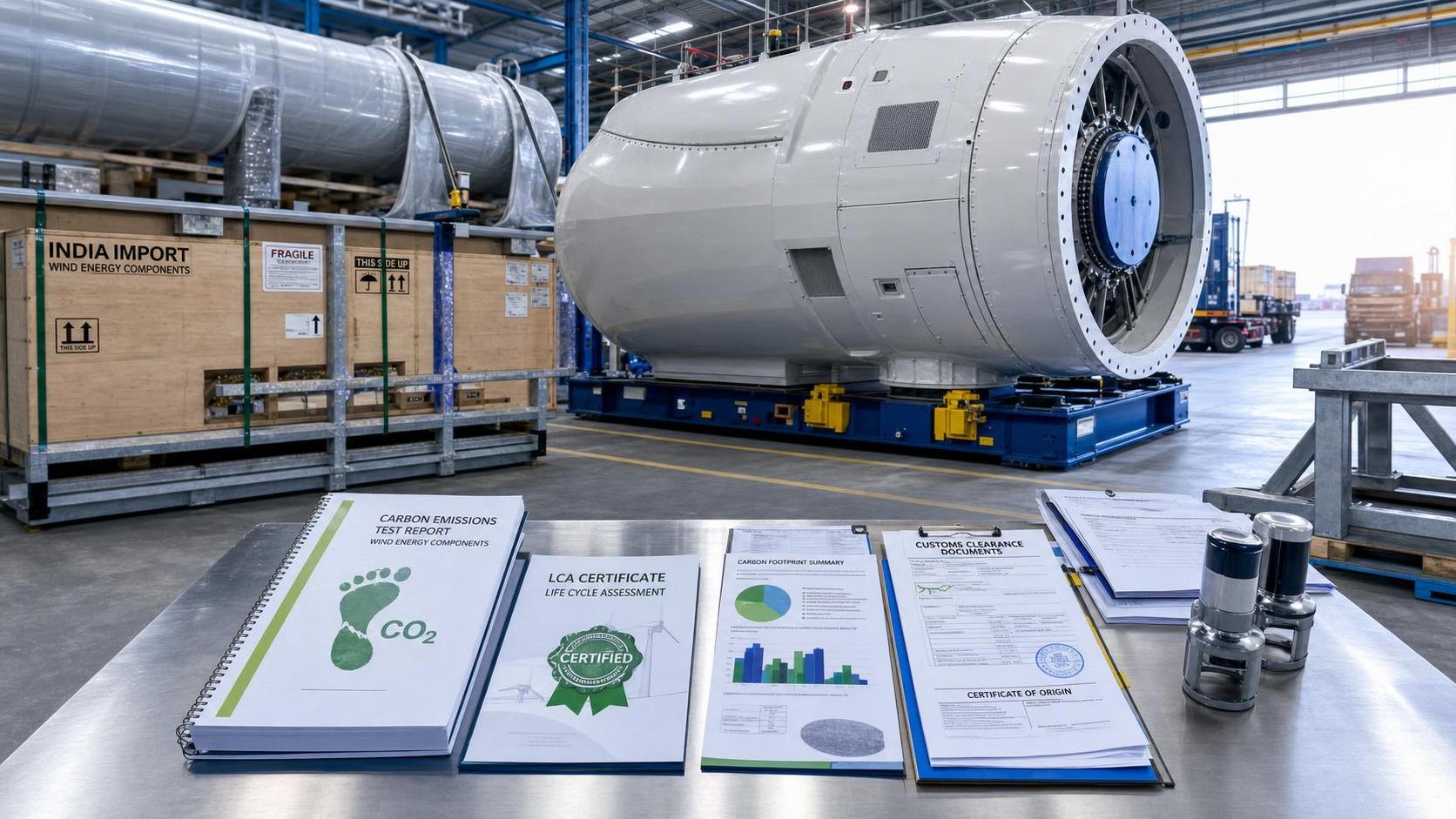
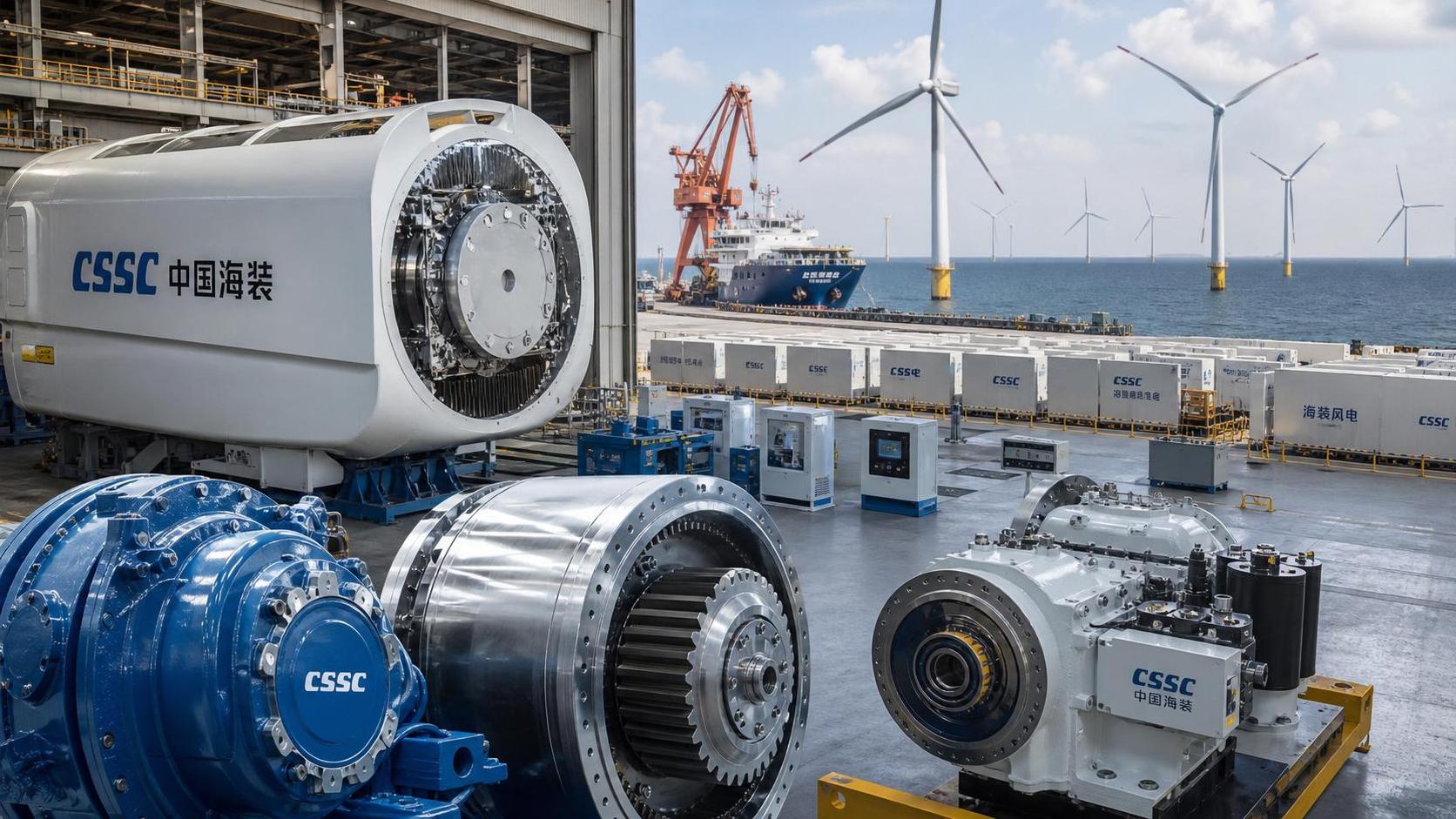
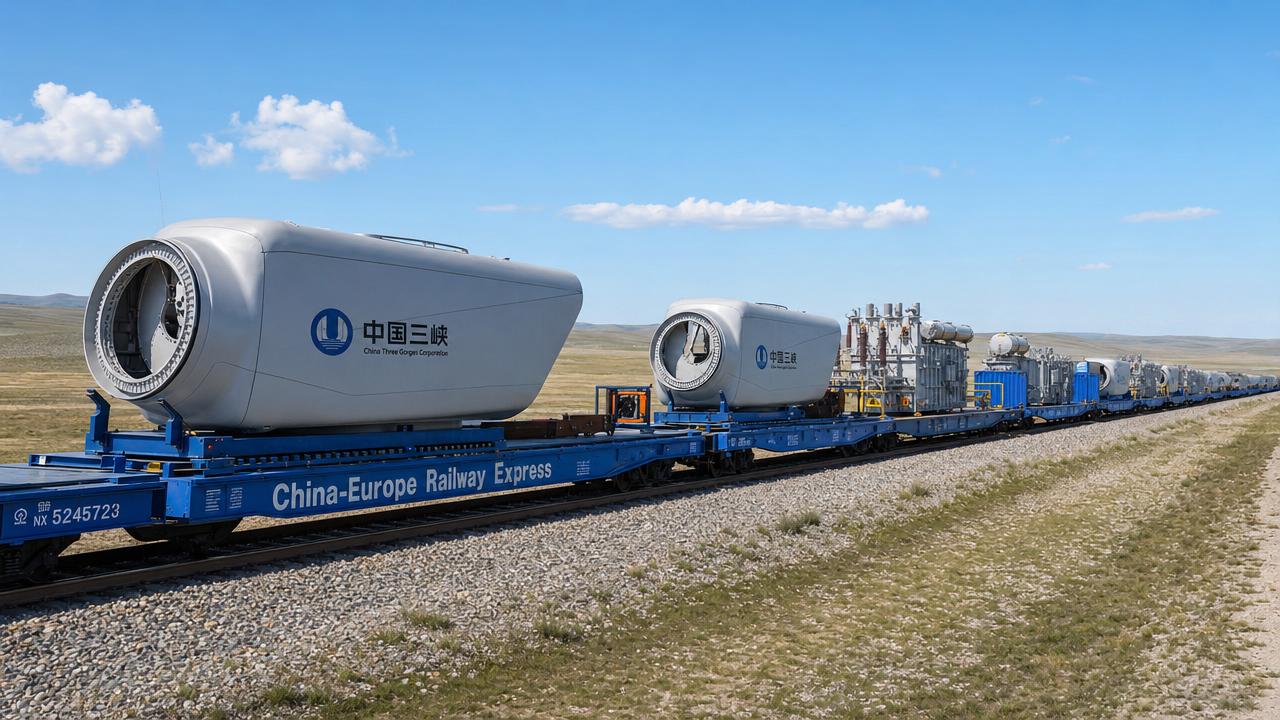
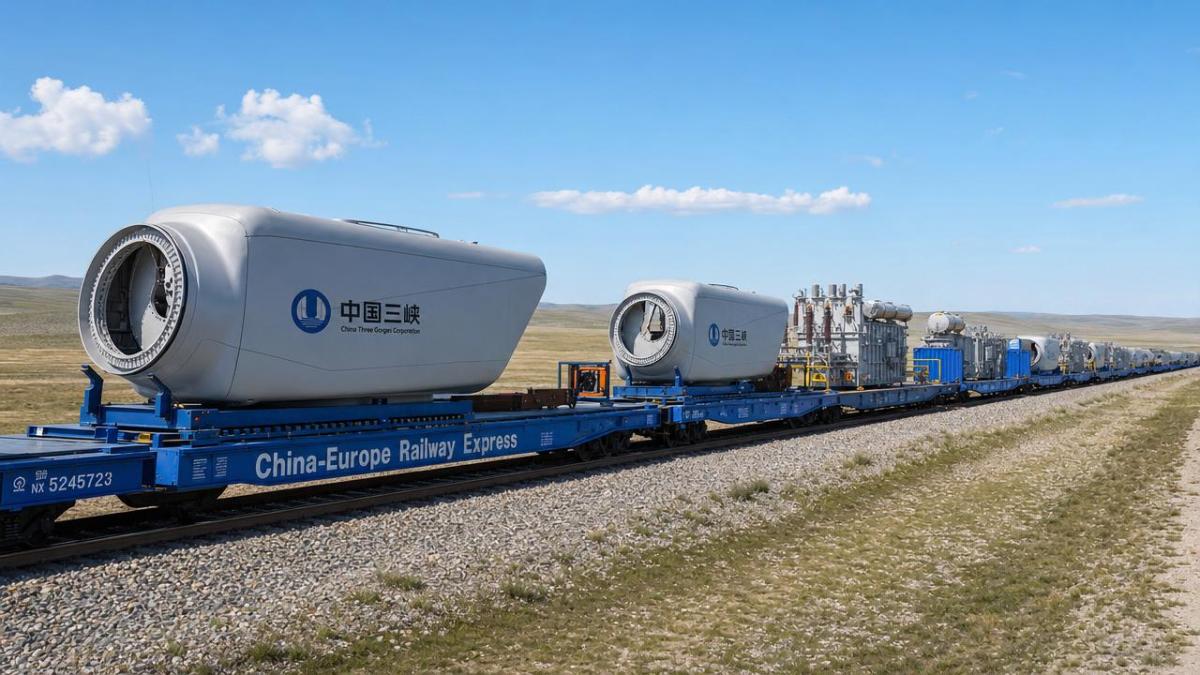
As of May 9, 2026, the China-Europe Railway Express has cumulatively operated over 130,000 trains, carrying goods valued at more than USD 520 billion. This milestone signals improved logistics reliability and customs predictability for EU importers—particularly those procuring large-scale wind power and power transmission equipment such as nacelle systems, carbon blades, and ultra-high-voltage (UHV) substations.
Event Overview
On May 9, 2026, official data confirmed that the cumulative number of China-Europe Railway Express trains reached 130,000. The total cargo value exceeded USD 520 billion. Operational improvements include increased frequency, higher on-time performance, enhanced intermodal connectivity, and upgraded customs coordination at key hubs—including Hamburg (Germany) and Malaszewicze (Poland).
Industries Affected
Direct Importers of Wind Power & HV Transmission Equipment
EU-based companies importing nacelle systems, carbon blades, and UHV substations are directly affected because these are oversized, high-value components with tight delivery windows. The improved schedule reliability and customs stability of the rail service reduce reliance on air or sea freight—lowering both lead time variability and cost exposure.
Supply Chain Service Providers Specializing in Oversized Cargo
Firms offering inland transport, multimodal coordination, or customs brokerage for heavy-lift industrial equipment face shifting demand patterns. As rail becomes a more predictable alternative for large components, service providers must adapt documentation workflows and hub-handling protocols—especially at Hamburg and Malaszewicze—to align with updated clearance mechanisms.
European Distributors & System Integrators in Renewable Energy
Distributors and integrators relying on just-in-sequence deliveries for wind farm construction or grid upgrade projects benefit from stronger delivery predictability. Reduced uncertainty in arrival timing supports better project scheduling and inventory planning—particularly where component delays have previously triggered cascade effects across engineering timelines.
What Stakeholders Should Monitor and Act On
Track Updates to Customs Coordination Protocols at Key Hubs
Observe official announcements from German and Polish customs authorities—and joint working groups with Chinese counterparts—regarding standardized documentation, pre-clearance eligibility, and digital data exchange frameworks. These updates may affect processing time for specific equipment categories.
Review Shipment Mix for High-Value, Time-Sensitive Components
Evaluate current reliance on air or maritime routes for nacelle systems, carbon blades, and UHV substations. Compare actual transit times, insurance costs, and customs incident rates over the past 12 months to assess whether rail is now operationally viable for higher shares of volume—not just as contingency but as primary mode.
Verify Alignment Between Contractual Delivery Terms and Rail Performance Data
Confirm whether Incoterms, penalty clauses, and force majeure definitions in procurement contracts reflect the observed improvement in rail punctuality and customs handling. Adjust contractual safeguards if rail is now demonstrably more reliable than historical benchmarks suggest.
Engage Early with Forwarders Certified for Multimodal Heavy-Lift Rail Services
Identify logistics partners with verified experience moving oversized wind and transmission equipment via the China-Europe corridor—particularly those with established processes at Hamburg and Malaszewicze. Prioritize partners who provide real-time tracking integrated with EU customs systems.
Editorial Perspective / Industry Observation
Observably, this milestone reflects maturation—not just expansion—of the China-Europe Railway Express. The shift from volume growth alone to measurable gains in schedule adherence and customs interoperability suggests structural progress in cross-border rail logistics. Analysis shows that the impact is not uniform across sectors: it is most consequential for industries handling low-volume, high-value, dimensionally constrained cargo where air freight is prohibitively expensive and maritime shipping introduces unacceptable planning uncertainty. This development is best understood as an evolving operational enabler—not yet a wholesale replacement for other modes—but one that meaningfully expands strategic options for supply chain design in energy infrastructure sectors.
Conclusion: The 130,000-train milestone marks a threshold in functional reliability rather than mere scale. For stakeholders in wind energy and high-voltage transmission supply chains, it signals growing feasibility of rail as a planned, scheduled, and contractually enforceable leg—not merely a fallback option. Current evidence supports treating this as a strengthening logistical signal, not yet a fully consolidated new norm; continued observation of hub-level execution consistency remains essential.
Source: Official cumulative operational data released on May 9, 2026. Note: Ongoing monitoring is recommended for implementation details of customs coordination upgrades at Hamburg and Malaszewicze—these remain subject to phased rollout and bilateral alignment.