Single Axis Solar Tracker Wholesale: What Affects ROI Most

Key Takeaways
- How grid access delays are reshaping renewable project timelines in Latin AmericaDr. Elena Volt
- What drives energy storage systems price per kWh for commercial projects?Dr. Julian Volt
- What manufacturers should compare in emissions tracking softwareLina Cloud
- Why high-net-worth buyers are reshaping demand for automotive technologyDr. Aris Sun
- Can project tender intelligence software improve bid opportunity quality?Lina Cloud
- Which metrics reveal whether a P2P energy trading platform is working?Lina Cloud
- When does strategic link acquisition improve a clean energy site's authority?Dr. Aris Sun
- What drives solar street lighting cost for a new installation?Dr. Aris Sun
Industry Overview
Our mission is to safeguard the future of global renewable energy development through verifiable data, interdisciplinary academic scrutiny, and unwavering industry integrity.
For finance approvers evaluating single axis solar tracker wholesale options, ROI depends on more than unit price. Yield gains, land-use efficiency, O&M risk, financing terms, and long-term reliability all shape project returns. This guide explains which cost and performance drivers matter most, helping you compare suppliers with greater confidence and protect capital in utility-scale solar investments.
In utility-scale procurement, tracker selection affects CAPEX, annual energy yield, debt service coverage, and long-horizon asset performance. A cheaper system can reduce initial spend by 2% to 5%, yet lose far more value if availability drops, installation overruns appear, or wind-stow failures increase maintenance costs.
For institutions working across global renewable portfolios, single axis solar tracker wholesale decisions should be evaluated as infrastructure choices, not as simple component purchases. The strongest financial outcomes usually come from disciplined review of yield assumptions, structural design, supply-chain resilience, and bankability over a 20- to 30-year operating life.
Why ROI in Single Axis Solar Tracker Wholesale Is More Complex Than Price

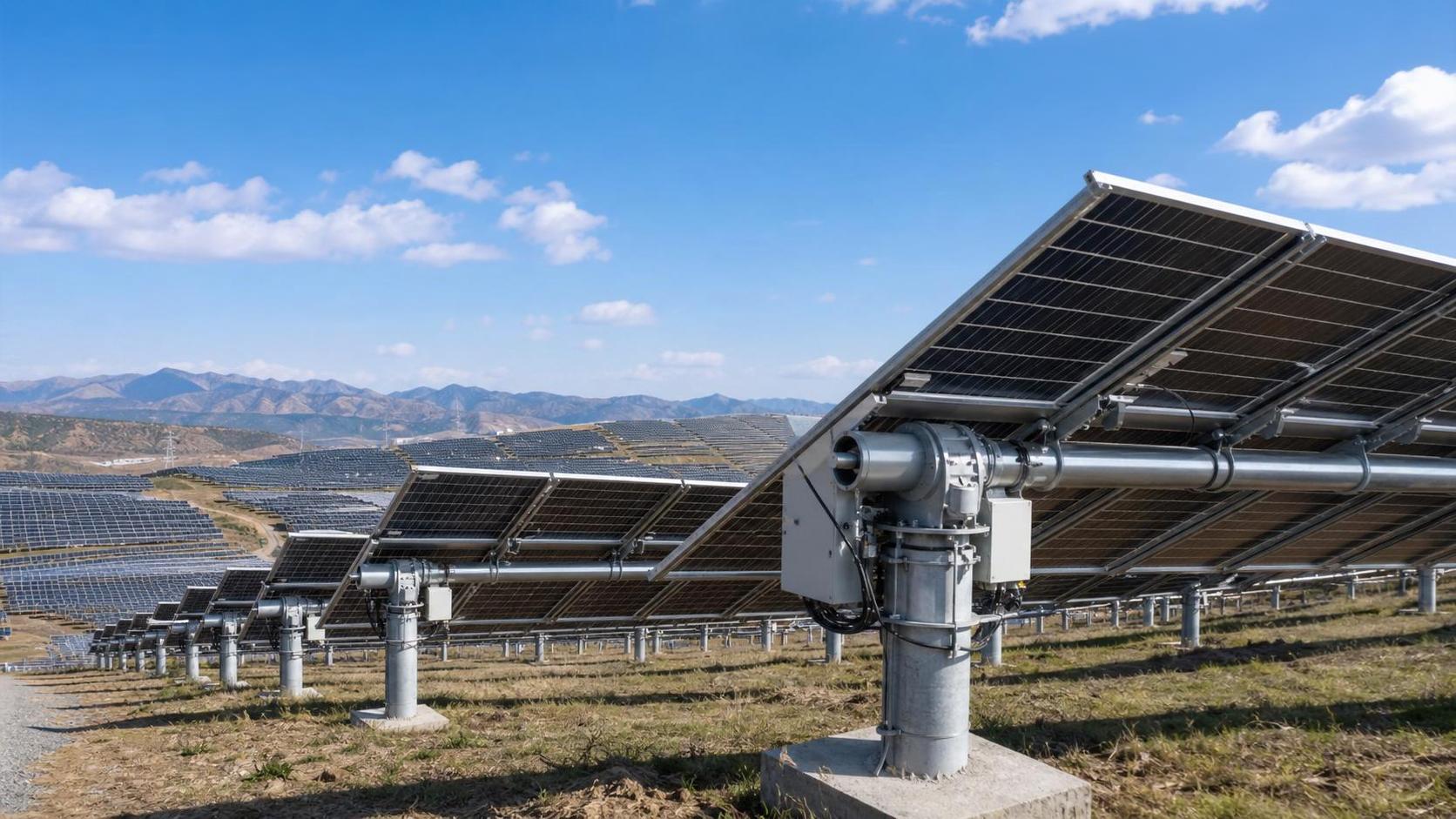
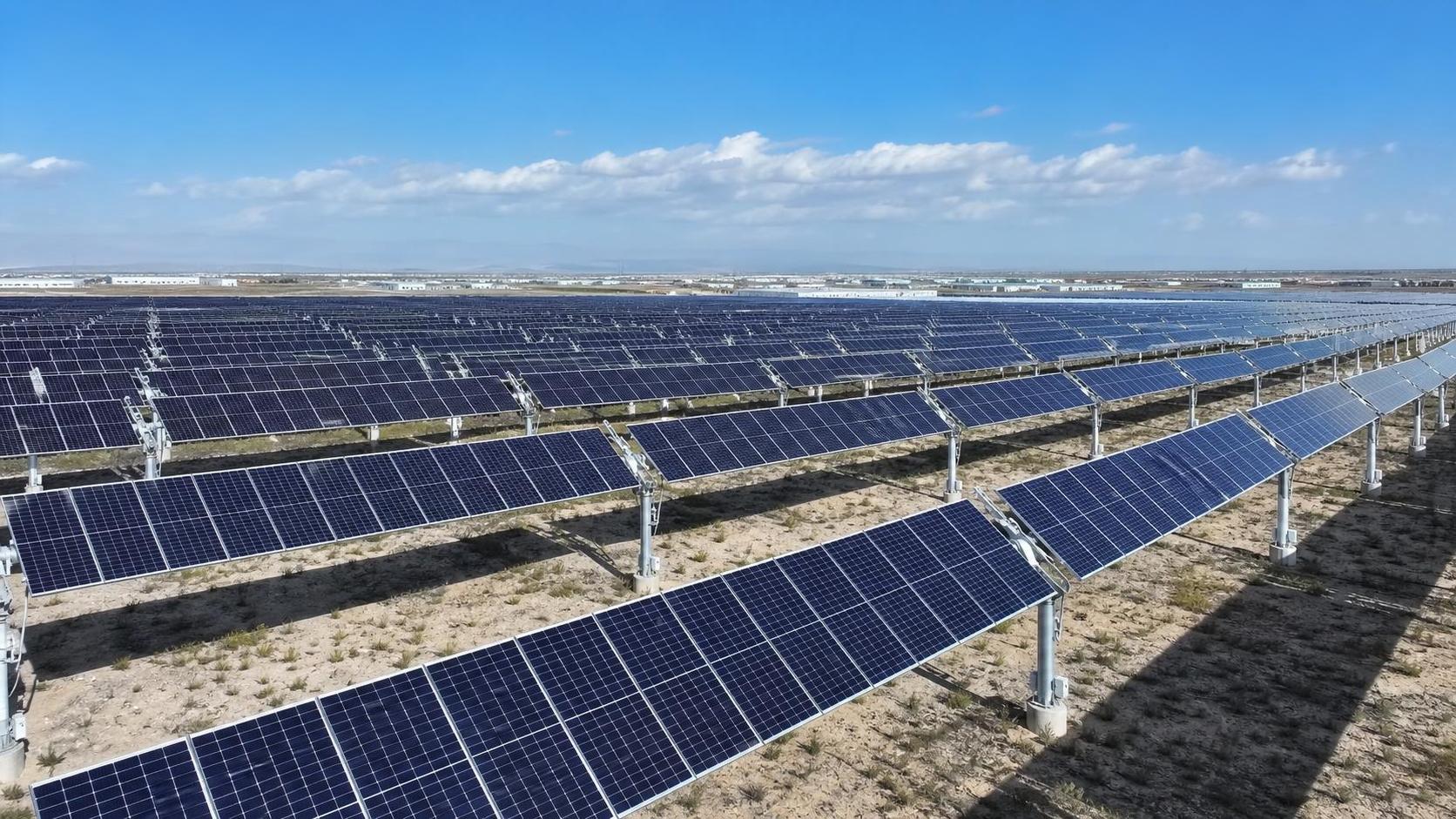
A single axis tracking system rotates PV rows to follow the sun from east to west. In many utility-scale projects, this can raise annual energy production by roughly 10% to 25% versus fixed-tilt designs, depending on latitude, irradiance profile, albedo, row spacing, and clipping strategy.
For finance teams, the issue is not whether tracking can increase output. The real question is whether the extra production outweighs higher hardware cost, civil works complexity, operational exposure, and financing sensitivity under the site’s specific revenue model.
The five ROI levers finance approvers should test
When comparing single axis solar tracker wholesale offers, five variables usually dominate the investment case: energy gain, installed cost per watt, O&M burden, usable land efficiency, and long-term system uptime. Weakness in any one area can change project IRR more than a headline discount from the supplier.
- Energy yield uplift under local weather and backtracking logic
- Steel tonnage, foundation requirements, and labor intensity
- Failure rates for motors, controllers, bearings, and communication nodes
- Layout density, terrain adaptability, and inter-row shading control
- Warranty structure, spare parts strategy, and service response times
Yield assumptions deserve a stress test
Many business cases use optimistic generation uplifts. Finance approvers should request P50, P75, and downside cases, not only a base simulation. A 2% to 3% shortfall in actual annual yield can materially affect DSCR in tightly financed projects, especially under fixed-price PPAs.
Ask suppliers whether energy projections include terrain constraints, wind stow events, snow behavior where relevant, and real inverter loading assumptions. A tracker that performs well in clean simulation files may deliver weaker returns if local operating conditions force more conservative movement or wider row spacing.
Installed cost is broader than tracker hardware
A low ex-works quote does not equal low total installed cost. In single axis solar tracker wholesale procurement, total cost may shift significantly once freight, customs, foundation design, site grading, field assembly time, and commissioning support are added.
Projects on difficult terrain may require more piles, stricter tolerances, or added geotechnical reinforcement. If installation productivity falls from 12 rows per crew-day to 8 rows, labor cost and schedule risk rise quickly. Delays of even 2 to 4 weeks can reduce first-year revenue recognition and create liquidated damages exposure.
The comparison below helps finance approvers distinguish between low quoted price and stronger lifecycle value in single axis solar tracker wholesale sourcing.
The key takeaway is simple: a supplier that looks 3% cheaper on paper may be less profitable over the project life if it needs heavier foundations, has lower availability, or produces weaker energy gains than promised in the investment model.
The Cost and Performance Drivers That Most Influence Returns
In practice, most ROI gaps come from a handful of technical and commercial drivers. Finance approvers should insist that EPC, procurement, and engineering teams quantify each one in a comparable bid matrix before approving a single axis solar tracker wholesale purchase.
1. Energy production and capture profile
Not all tracking systems generate the same production curve. Control algorithms, backtracking logic, and row stability in high winds all influence actual harvest. In some grids, the extra value lies not only in annual MWh, but in shifting more production into higher-value morning and late-afternoon periods.
If the project sells into a merchant or hybrid market, even a 1% to 2% improvement in output during premium pricing windows can matter more than a higher but flatter annual generation estimate. This is particularly relevant where PPA floors are combined with floating spot exposure.
2. Structural design, wind resilience, and geotechnical fit
Trackers are moving steel structures exposed to repetitive loads for decades. Wind stow logic, damping behavior, torque tube rigidity, and foundation compatibility with local soil conditions all influence reliability and insurance comfort. Sites with variable topography may need stricter pile tolerances or more robust drivetrain design.
Finance teams should ask whether the supplier can support wind and terrain scenarios common in utility-scale development: expansive soil, coastal corrosion, frost depth issues, and irregular grading. A mechanically elegant design in one region may become costlier in another once local adaptation is priced in.
3. O&M intensity over 20 to 30 years
O&M assumptions are often understated during procurement. Motor replacement cycles, controller firmware support, fault localization, and spare parts stocking strategy determine whether maintenance remains predictable. If service teams must inspect large row groups manually after every high-wind event, labor costs can escalate.
A useful screening question is whether the tracker architecture reduces field visits through remote diagnostics and modular replacement. Cutting one truck roll per 50 MW block each month can produce measurable savings over the first 10 years, especially in remote solar zones.
4. Supply-chain security and commercial terms
Single axis solar tracker wholesale procurement is increasingly affected by steel volatility, shipping disruption, local-content requirements, and lead-time compression. A supplier with a 16-week quoted lead time but fragile sourcing may present more risk than one offering 20 weeks with clear manufacturing and logistics transparency.
Payment terms also matter. Milestone structures tied to manufacturing, delivery, installation, and acceptance affect working capital and financing drawdown. For capital committees, a modest price premium may be justified if the payment schedule better aligns with EPC progress and lender controls.
A practical decision framework
The table below summarizes common drivers that should be translated into the financial model during bid evaluation.
A disciplined bid review should convert these checkpoints into model assumptions, rather than leaving them as technical notes. That is where finance creates separation between a low-price purchase and a high-value infrastructure decision.
How Finance Approvers Should Compare Suppliers
Supplier comparison should follow a structured approval path. In cross-border renewable procurement, strong governance usually means evaluating technical fit, commercial resilience, and contractual clarity in parallel. This is particularly important when reviewing single axis solar tracker wholesale proposals from multiple jurisdictions.
Build a four-part approval scorecard
A practical approach is to score suppliers across four weighted categories: performance, lifecycle cost, delivery risk, and contract strength. Many institutions use a weighted system such as 30%, 30%, 20%, and 20%, though the allocation should reflect project priorities and lender conditions.
- Performance: site-specific generation, control strategy, terrain compatibility
- Lifecycle cost: installation complexity, maintenance burden, spare parts planning
- Delivery risk: manufacturing capacity, logistics plan, local support network
- Contract strength: warranty, delay remedies, performance obligations, payment triggers
Questions that reveal hidden risk
Finance approvers do not need to re-engineer the tracker. They do need to ask questions that expose weak assumptions. For example, what is the expected availability target after year 5? How quickly can failed components be replaced: 48 hours, 7 days, or 30 days? What exclusions narrow warranty value in practice?
Also ask whether the supplier supports documentation needed by lenders and independent engineers. Clear technical packages, corrosion assumptions, and commissioning records reduce approval friction and shorten transaction cycles in institutional renewable portfolios.
Do not separate tracker choice from module and grid strategy
The best single axis solar tracker wholesale decision depends on the full plant architecture. Module format, string design, inverter loading ratio, curtailment profile, and grid-connection limits all affect the final value of tracking. In some cases, a stronger tracker-plus-module combination outperforms a cheaper tracker under the same DC capacity.
This integrated view aligns with the broader renewable infrastructure perspective used by institutional energy platforms. Hardware should be benchmarked not only on standalone specifications, but on how it performs within bankable grid and revenue frameworks.
Common Mistakes That Reduce ROI
Even experienced buyers can lose value when procurement is rushed or evaluated too narrowly. The mistakes below appear frequently in utility-scale projects and can materially weaken project returns over years 1 to 10.
Mistake 1: Selecting on unit price alone
A lower per-watt quote often attracts early support, but it can mask higher installation labor, extra foundation requirements, or weaker controls. If total installed cost rises by 4% and generation underperforms by 2%, the apparent saving disappears quickly.
Mistake 2: Using generic yield assumptions across different sites
Tracking gains vary significantly by climate and layout. A desert site with stable irradiance may justify a different design logic than a humid coastal site with seasonal wind restrictions. Finance approvals should be tied to project-specific models, not portfolio averages.
Mistake 3: Underestimating service and spare parts planning
Long lead times for actuators, controllers, or communication hardware can increase downtime. A 30-day wait for a critical part may not seem dramatic, but when repeated across a 200 MW project, the lost energy and site labor can become material.
Mistake 4: Ignoring contract enforcement details
Warranty language should be reviewed with the same discipline applied to pricing. Exclusions tied to wind events, corrosion environments, or installation tolerances can shift risk back to the buyer. The approval memo should identify these transfer points clearly before award.
A Bankable Procurement Approach for Better Long-Term Returns
For finance approvers, the best single axis solar tracker wholesale outcome usually comes from disciplined evaluation across three horizons: pre-award modeling, construction execution, and long-term operations. Each horizon should have measurable review gates and documented assumptions.
Pre-award: verify assumptions before capital approval
Before approval, request a side-by-side matrix covering energy yield, total installed cost, lead time, warranty scope, service model, and downside sensitivities. At minimum, review 3 scenarios: base case, schedule delay case, and reduced availability case. This creates a stronger investment committee record.
Execution: protect COD and cash flow timing
During delivery, monitor manufacturing milestones, shipping status, field productivity, and change orders. A weekly dashboard during the 12- to 24-week supply window can help catch slippage early enough to protect commercial operation date and debt draw efficiency.
Operations: maintain output and asset value
After commissioning, track availability, stow events, mean time to repair, and parts consumption. If these indicators drift from budget in the first 6 to 12 months, update reserve assumptions early. Small operational problems are usually cheaper to correct before they become portfolio-wide patterns.
For institutional buyers, single axis solar tracker wholesale decisions should support not only immediate CAPEX control, but also resilient long-term returns under real grid, weather, and operating conditions. The highest ROI often comes from balanced procurement: realistic yield modeling, robust structural fit, predictable service, and contract terms that preserve lender confidence.
If you are reviewing tracker procurement for a utility-scale or multi-market renewable portfolio, use a bankable comparison framework instead of relying on quote price alone. To evaluate suppliers more confidently, get a tailored assessment, request a project-specific benchmark, or contact us to discuss a more defensible procurement strategy for your next solar investment.
Deep Dive
Related Intelligence