Single Axis Solar Tracker Wholesale: What Affects ROI

Key Takeaways
- How grid access delays are reshaping renewable project timelines in Latin AmericaDr. Elena Volt
- What drives energy storage systems price per kWh for commercial projects?Dr. Julian Volt
- What manufacturers should compare in emissions tracking softwareLina Cloud
- Why high-net-worth buyers are reshaping demand for automotive technologyDr. Aris Sun
- Can project tender intelligence software improve bid opportunity quality?Lina Cloud
- Which metrics reveal whether a P2P energy trading platform is working?Lina Cloud
- When does strategic link acquisition improve a clean energy site's authority?Dr. Aris Sun
- What drives solar street lighting cost for a new installation?Dr. Aris Sun
Industry Overview
Our mission is to safeguard the future of global renewable energy development through verifiable data, interdisciplinary academic scrutiny, and unwavering industry integrity.
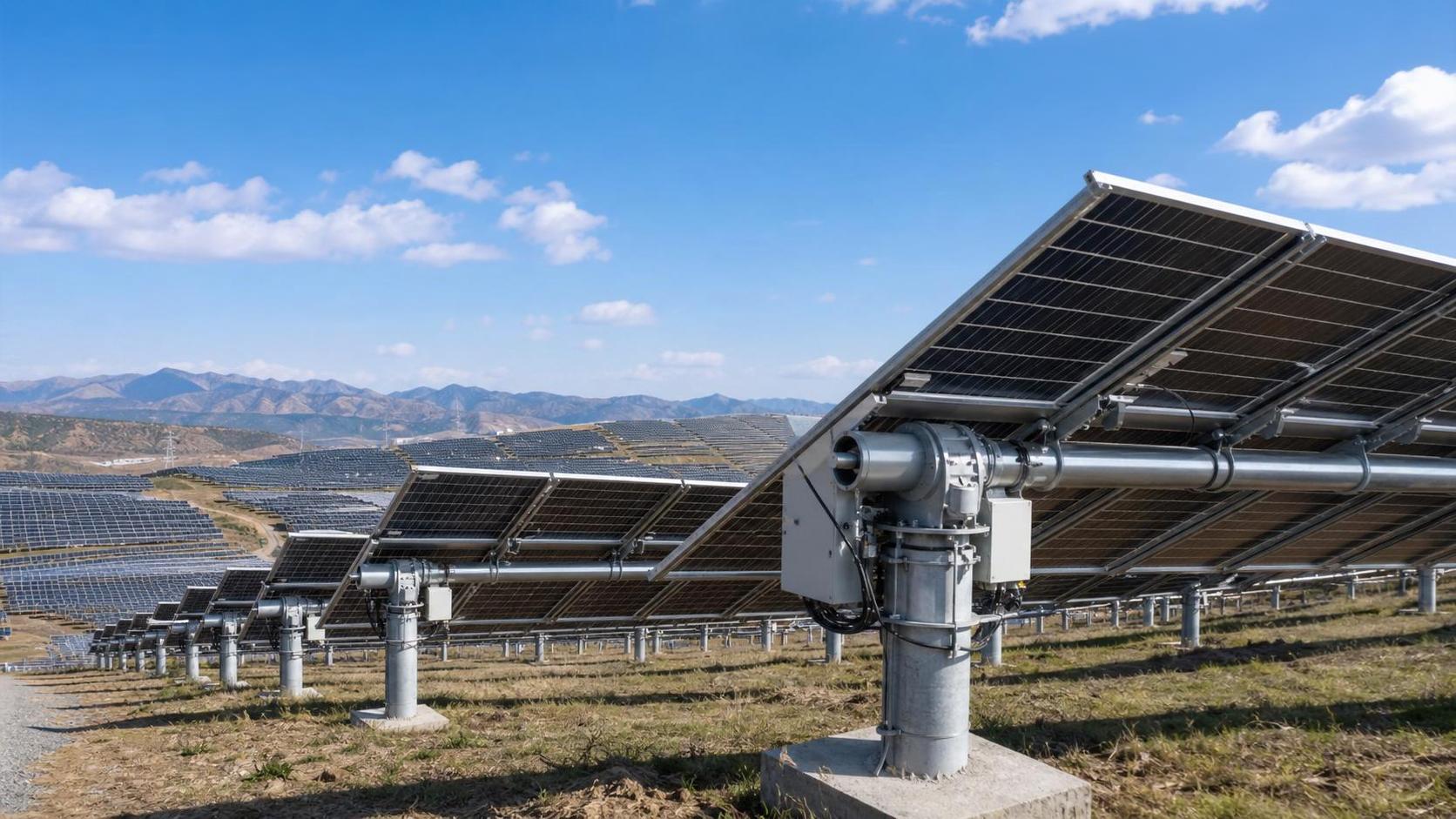
For finance approvers evaluating utility-scale solar investments, single axis solar tracker wholesale decisions can significantly influence project ROI. Beyond unit price, factors such as energy yield uplift, installation efficiency, O&M costs, financing structure, and supplier bankability determine whether large-volume procurement strengthens long-term returns. Understanding these variables is essential to making capital allocation decisions that balance cost control, performance certainty, and portfolio-level risk.
In utility-scale procurement, the financial case for trackers is rarely decided by hardware pricing alone. A 1%–3% change in yield assumptions, a 2–6 week delivery shift, or an unexpected rise in maintenance events can materially alter project IRR, DSCR, and payback timing.
For institutional buyers, the real question is whether a single axis solar tracker wholesale strategy improves long-term cash generation after accounting for technical, contractual, and balance-sheet risk. That requires disciplined comparison across lifecycle cost, energy performance, supply resilience, and financing acceptability.
Why Single Axis Solar Tracker Wholesale Changes the ROI Equation

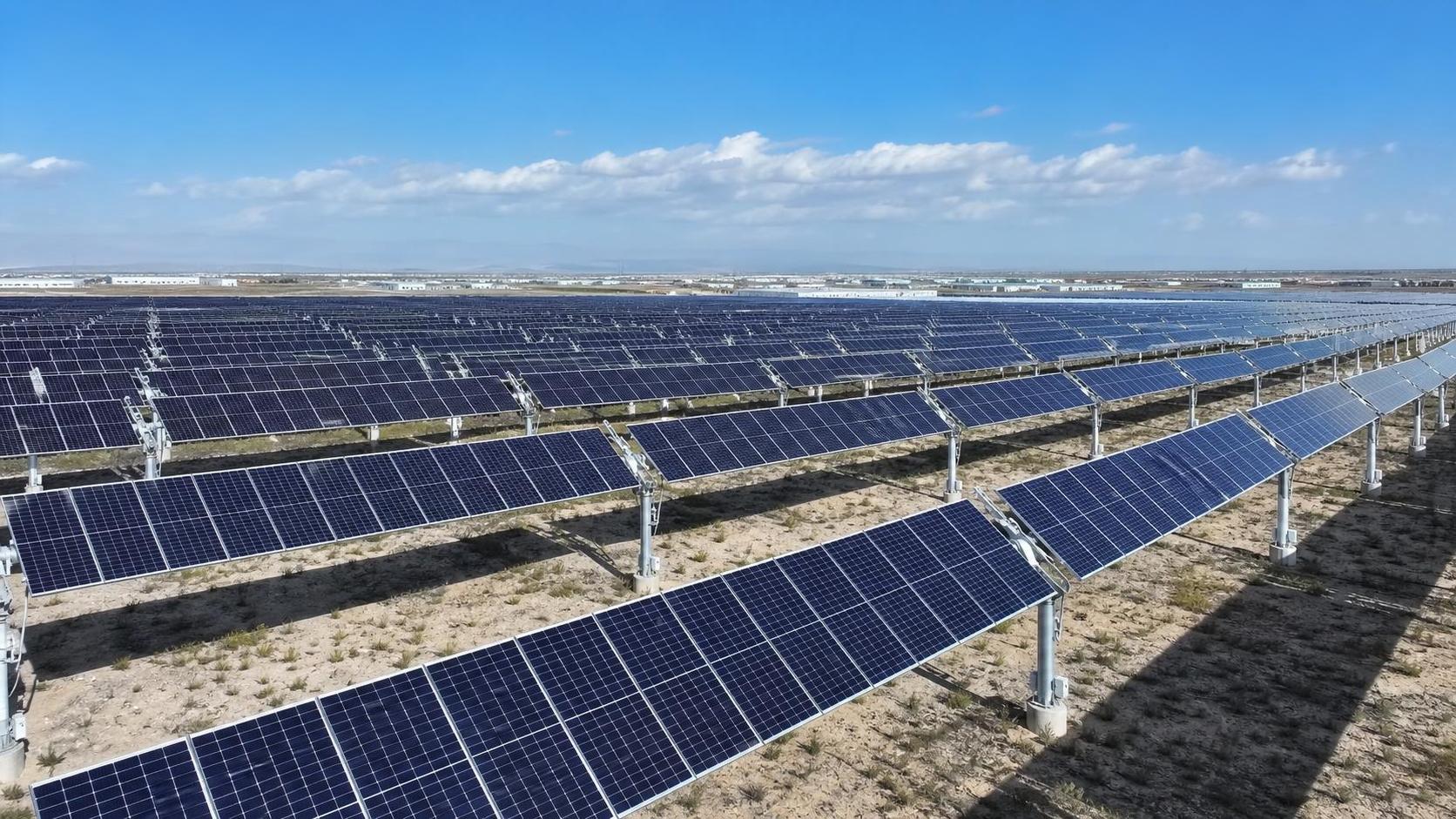
Single-axis systems typically increase annual energy yield compared with fixed-tilt structures, especially in high-irradiance and utility-scale layouts. In many project models, the expected uplift falls in the 10%–25% range, depending on latitude, albedo, row spacing, wind constraints, and DC/AC ratio.
For finance approvers, that uplift matters only when it outweighs added capex, civil complexity, controller risk, and long-term service expense. A tracker that raises generation but introduces frequent downtime, spare-part dependency, or warranty ambiguity may weaken net returns.
Core Financial Drivers Behind Procurement Decisions
The financial impact of single axis solar tracker wholesale procurement usually comes from five linked levers: initial equipment cost, energy yield gain, installation productivity, O&M profile, and financing confidence. Missing one of these can distort the business case.
- Equipment cost per MW, including torque tubes, drives, controllers, and foundations
- Expected energy uplift over a 20–30 year operating period
- Labor and schedule effects during mechanical and electrical installation
- Maintenance frequency, parts replacement cycles, and fault response time
- Lender and insurer acceptance of the supplier, warranty package, and track record
Why Wholesale Volume Matters
Bulk procurement can reduce per-unit cost through frame standardization, consolidated shipping, and fewer engineering variations. On large projects above 100MW, even a modest reduction of 1.5%–4% in structural and logistics cost can meaningfully improve EPC margin and investment return.
However, volume discounts are only beneficial when they do not create concentration risk. If one supplier controls 70%–100% of tracker delivery and experiences gearbox delays, controller firmware issues, or customs disruption, project energization can slip by an entire quarter.
The table below outlines how finance teams can separate headline pricing from total ROI impact when reviewing a single axis solar tracker wholesale proposal.
A useful takeaway is that the lowest quote is not automatically the strongest financial choice. In many utility-scale transactions, a slightly higher tracker package is justified if it improves model confidence, cuts outage risk, or protects the commissioning schedule.
The Main Variables That Affect Returns
A robust single axis solar tracker wholesale assessment should treat ROI as a combination of production, cost, and risk quality. Financial approvers often gain better decisions by testing each variable under base-case, downside, and delay-case assumptions.
1. Energy Yield Uplift and Site Suitability
Trackers perform differently by geography and layout. Sites with strong direct normal irradiance, moderate terrain variation, and optimized row spacing usually capture the greatest value. On irregular land or wind-exposed zones, underperformance can narrow the expected gain.
Finance teams should request at least 2 scenarios from the energy model: fixed-tilt baseline and tracked configuration with realistic soiling, clipping, and availability assumptions. If the uplift falls below the added lifecycle cost threshold, fixed structures may remain the better capital decision.
2. Installed Cost per Watt, Not Just Tracker Price
The purchase price of the tracker kit is only one line item. Actual installed cost includes piles, torque tubes, bearings, motor assemblies, controls, cable routing, commissioning labor, and site-specific tolerances. A cheaper system can become expensive if assembly takes 12%–18% more field labor.
Civil works also matter. If one design requires tighter foundation alignment or more rework on uneven ground, total installed cost rises quickly. Procurement reviews should compare full balance-of-system interaction, not isolated component quotes.
3. O&M Burden Over 20–30 Years
Long-term service assumptions often separate a bankable project from an optimistic one. Typical review points include actuator replacement intervals, controller diagnostics, tracker stow logic, spare-parts stocking strategy, and remote troubleshooting capability within 24–72 hours.
For portfolios with multiple sites, standardizing one tracker platform can reduce technician training time and spare-part complexity. Yet standardization should not override performance evidence or service coverage in the actual deployment region.
4. Financing Structure and Supplier Bankability
A strong single axis solar tracker wholesale deal should be acceptable not only to engineering teams but also to lenders, insurers, and investment committees. Finance approvers should look for audited financial stability, warranty clarity, claim procedures, and a support network that can sustain obligations over many years.
If a supplier offers aggressive pricing but has limited manufacturing redundancy, unclear legal recourse, or weak after-sales support, financing parties may apply tighter reserve requirements or more conservative production assumptions. That can erode apparent savings.
The following comparison helps translate technical variables into finance-relevant decision criteria.
This framework is useful because it links engineering details to funding outcomes. A tracker package becomes more valuable when it supports predictable output, manageable maintenance, and fewer surprises during lender diligence.
How Finance Approvers Should Evaluate Suppliers
In large-volume solar procurement, supplier selection is a risk management exercise as much as a sourcing exercise. A disciplined process usually improves negotiating leverage and reduces expensive late-stage design changes.
A Practical 5-Step Review Process
- Confirm site-specific production assumptions and benchmark them against a fixed-tilt case.
- Request installed-cost breakdown by MW, not just equipment ex-works pricing.
- Review lead times, logistics windows, and contingency planning for 2–4 key components.
- Assess warranty terms, spare-parts commitments, and service coverage by region.
- Validate supplier financial resilience, project references, and manufacturing continuity.
This process helps finance committees move from quote comparison to decision-grade analysis. It also creates a clearer audit trail when capex approvals require internal governance, external debt review, or board-level signoff.
Questions Worth Asking During Commercial Review
- What production loss assumptions are used for stow events, communication faults, or actuator replacement?
- How many spare controllers or motors are recommended per 100MW block?
- What is the documented response time for firmware issues during the first 12 months?
- Which components are regionally stocked, and which are made to order?
- How are performance disputes and warranty claims contractually resolved?
Common Procurement Mistakes That Reduce ROI
One frequent mistake is treating tracker procurement as a commodity purchase. Another is assuming that modeled yield gains automatically convert into cash flow without checking curtailment, clipping, grid access constraints, or seasonal tariff structures.
A third mistake is underestimating interface risk between tracker supplier, module supplier, EPC contractor, and SCADA integrator. When accountability is fragmented, even minor commissioning issues can create 30–60 day delays and unplanned legal review.
Aligning Procurement With Portfolio-Level Strategy
For organizations managing multiple projects, single axis solar tracker wholesale procurement should align with portfolio objectives such as standardization, financing efficiency, spare-part rationalization, and regional policy compliance. What works for a single asset may not work for a 500MW pipeline.
When a Higher-Cost Tracker Can Still Be the Better Choice
A higher-cost solution may still produce superior portfolio returns if it shortens construction cycles, reduces training complexity, improves availability, or satisfies lender expectations more easily. The most effective procurement strategy often optimizes risk-adjusted return rather than lowest initial capex.
This is especially relevant in markets where PPA pricing is tight and schedule slippage has an outsized cost. Missing a seasonal COD window by even 1 quarter can offset much of the savings achieved in equipment negotiations.
Role of Technical Benchmarking and Market Intelligence
Decision-makers benefit from independent benchmarking that compares tracker architecture, service model, compliance approach, and commercial resilience. In fast-moving renewable markets, procurement quality improves when technical diligence is combined with visibility into tender activity, policy shifts, and power price trends.
That broader perspective is essential for finance approvers who must justify not only project economics but also resilience under changing grid, trade, and financing conditions. The right wholesale decision supports both near-term execution and long-horizon asset value.
Single axis solar tracker wholesale procurement has the greatest ROI impact when buyers evaluate the full financial chain: generation uplift, installed cost, O&M burden, supplier strength, and schedule certainty. For utility-scale portfolios, disciplined selection can protect returns far more effectively than chasing the lowest visible unit price.
If your team is comparing tracker options across large solar projects, G-REI can help frame the decision through technical benchmarking, procurement intelligence, and risk-focused evaluation criteria tailored to institutional capital approval. Contact us to get a customized assessment, discuss supplier screening, or explore broader renewable infrastructure solutions.
Deep Dive
Related Intelligence