USTR Opens Anti-Circumvention Probe on Chinese String Inverters
Key Takeaways
- How grid access delays are reshaping renewable project timelines in Latin AmericaDr. Elena Volt
- What drives energy storage systems price per kWh for commercial projects?Dr. Julian Volt
- What manufacturers should compare in emissions tracking softwareLina Cloud
- Why high-net-worth buyers are reshaping demand for automotive technologyDr. Aris Sun
- Can project tender intelligence software improve bid opportunity quality?Lina Cloud
- Which metrics reveal whether a P2P energy trading platform is working?Lina Cloud
- When does strategic link acquisition improve a clean energy site's authority?Dr. Aris Sun
- What drives solar street lighting cost for a new installation?Dr. Aris Sun
Industry Overview
Our mission is to safeguard the future of global renewable energy development through verifiable data, interdisciplinary academic scrutiny, and unwavering industry integrity.
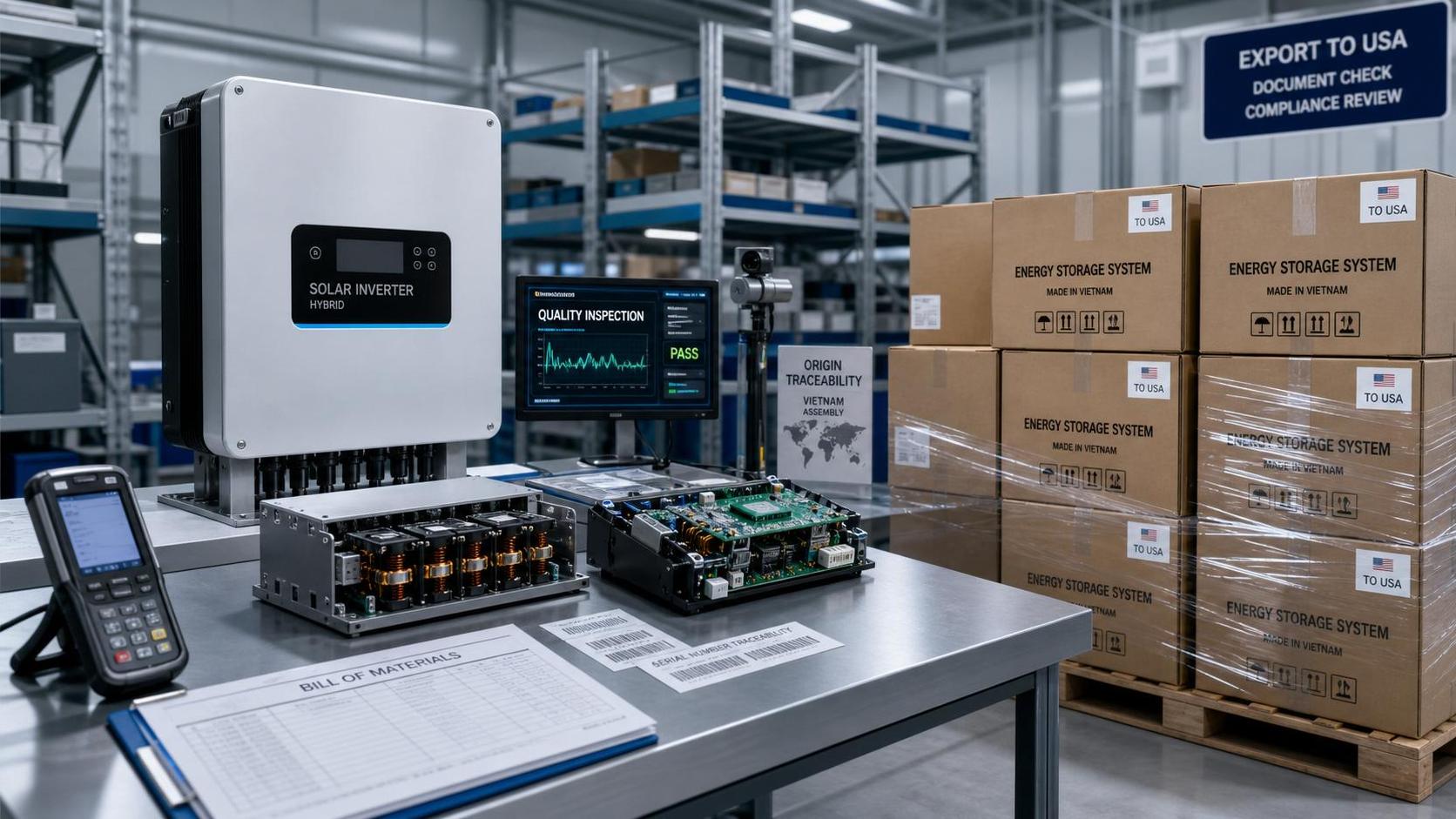
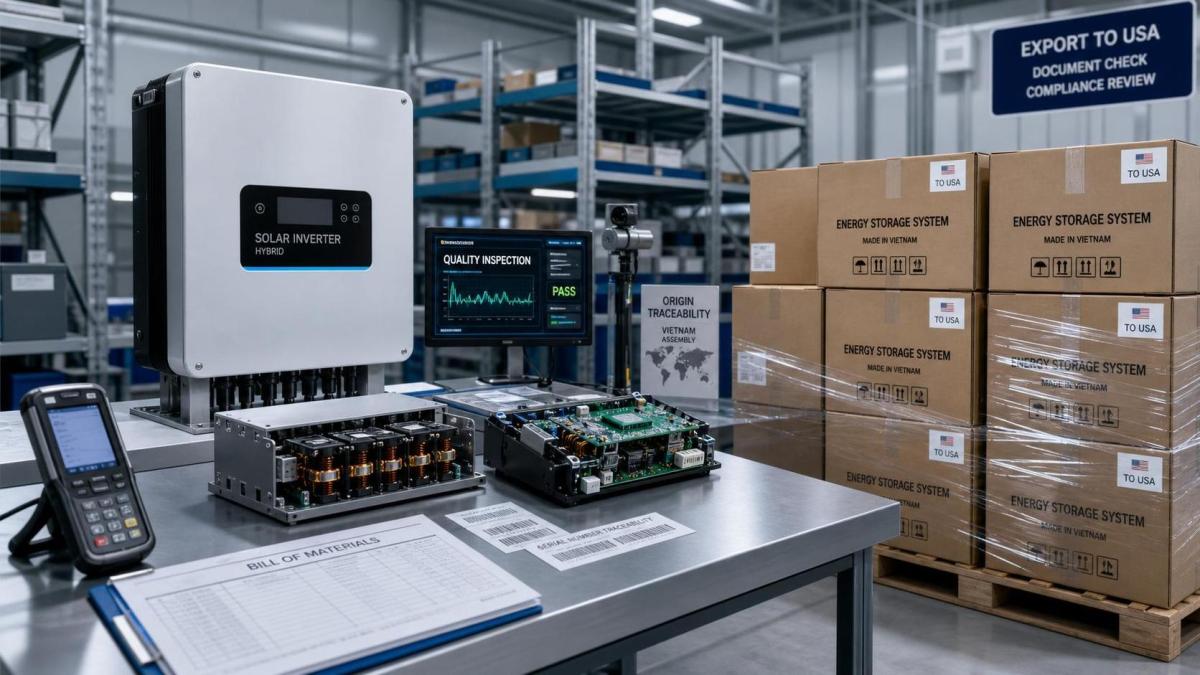
On July 8, 2026, the Office of the United States Trade Representative (USTR) announced an anti-circumvention investigation involving string inverters originating in China, with particular attention on products assembled in Mexico or Vietnam and then shipped to the U.S. as locally made goods. For companies involved in inverter manufacturing, cross-border assembly, sourcing, customs compliance, and U.S.-bound delivery, this development matters because the review is centered on whether key power modules, MCU control boards, and firmware should still be treated as Chinese in origin, with potential tariff and retroactive cost implications if the case is affirmed.
What the USTR announcement specifically covers
According to the information provided, USTR formally launched the anti-circumvention investigation on July 8, 2026. The case targets string inverters originally from China and focuses on products that are assembled in Mexico or Vietnam before entering the U.S. market under a local manufacturing label.
The investigation will assess whether core power modules, MCU control boards, and firmware in those products should still be regarded as Chinese in origin. If the anti-circumvention claim is upheld, the products involved may face an additional 25% tariff, and that measure may be applied retroactively for 90 days.
Where the immediate pressure may appear in the supply chain
Cross-border assembly operations may face origin scrutiny
From an industry perspective, businesses using Mexico or Vietnam as assembly locations may be the first to feel the impact. The reason is straightforward: the investigation is explicitly focused on whether assembly outside China changes the origin status of the finished inverter. The operational pressure is therefore likely to center on how assembly content, component attribution, and product designation are presented in export and import processes.
Component and firmware-related compliance may move to the forefront
Analysis shows that the case is not only about the final product name or shipping route. It also points directly to key technical elements, including power modules, MCU control boards, and firmware. For manufacturers, traders, and sourcing teams, this means that technical bill-of-material structures and product documentation may become more sensitive business points than before.
U.S.-bound trade and delivery planning may become less predictable
Observably, any company shipping string inverters into the U.S. market may need to pay closer attention to timing, pricing exposure, and delivery commitments. If an additional 25% tariff is imposed and applied retroactively for 90 days, the effect would not be limited to future quotations; it could also affect goods already in motion or recently cleared under existing commercial assumptions.
Service and supply chain support providers may need tighter document coordination
For supply chain service providers, customs-related support teams, and transaction coordinators, the practical issue is less about market commentary and more about document consistency. What deserves closer attention is whether technical descriptions, origin statements, and shipment records align with the product reality being examined in the investigation.
What companies should watch now
Follow the exact official wording as the case develops
Analysis shows that the current announcement establishes the scope of review, but companies should distinguish between the opening of an investigation and a final determination. The wording used in subsequent official updates may shape how covered products, origin interpretation, and enforcement timing are understood in practice.
Review which product elements are most exposed
Because the investigation specifically mentions core power modules, MCU control boards, and firmware, companies should pay close attention to how these elements are sourced, described, and linked to finished products shipped to the U.S. market. The key issue is not general supply chain complexity, but whether these identified elements continue to support a Chinese-origin finding.
Prepare for documentation and customer communication risks
For exporters, assemblers, and channel partners, a practical priority is to review origin-related paperwork, product descriptions, and contractual communication tied to U.S.-bound orders. If customers are exposed to retroactive tariff risk, communication around pricing responsibility, delivery status, and compliance positioning may become an immediate operational issue.
Separate policy signal from enforceable outcome
It is more appropriate to understand this stage as an active policy and enforcement signal rather than a completed result. Companies should therefore avoid treating the case as either already settled or commercially irrelevant. The present task is to monitor how the investigation develops while checking whether current shipments, sourcing arrangements, and assembly claims can withstand closer review.
Why this should be read as a signal, not a final result
Observably, this development carries weight because it shows that the review is reaching beyond the final assembly location and into the technical identity of the product itself. That said, the confirmed fact at this stage is the launch of an investigation, not the conclusion of one. Analysis shows that the industry should read this as a meaningful enforcement signal with direct commercial relevance, while still recognizing that the final outcome remains subject to the investigation process.
From an industry perspective, the case is also notable because it highlights origin assessment around specific internal components and firmware rather than relying only on a broad labeling question. That makes the issue especially relevant for manufacturers and supply chain participants whose business models depend on multi-country assembly structures for U.S.-bound shipments.
How the market may need to frame this development
At this point, the most balanced reading is that the USTR action is a live and consequential trade development rather than a settled market outcome. It may affect manufacturers, assemblers, exporters, service providers, and buyers connected to string inverters moving into the U.S. through Mexico or Vietnam, especially where key technical content remains under scrutiny.
What deserves closer attention is not only the possibility of an additional 25% tariff, but also the retroactive 90-day exposure mentioned in the case summary. For now, it is more appropriate to understand this news as a short-term operational risk with potential longer-term compliance implications, and as an issue that still requires continued observation rather than definitive market conclusions.
Basis of this article and points that still require verification
This article is based on the user-provided news title, event date, and event summary concerning the July 8, 2026 USTR anti-circumvention investigation related to Chinese string inverters and products assembled in Mexico or Vietnam for export to the United States.
For this type of industry update, commonly relevant source categories may include official government announcements, corporate disclosures, industry association releases, authoritative media coverage, and standard-setting or technical documentation where applicable. A specific official source link was not provided in the input, so the precise source document still requires ongoing verification. Further attention should be given to any later official wording on scope, origin assessment, tariff application, and implementation timing.
Deep Dive
Related Intelligence
- Which string cable loss metrics matter most in PV system design?Author :

- Next-Gen Solar Inverter Technology Grid-Forming: Key Performance Trade-OffsAuthor :

- Solar Inverter Harmonic Analysis: When Distortion Becomes a Cost IssueAuthor :

- How to Compare an Off-Grid Solar System Factory Supplier on Cost and Lead TimeAuthor :