String Inverter Manufacturer Selection for Utility Projects
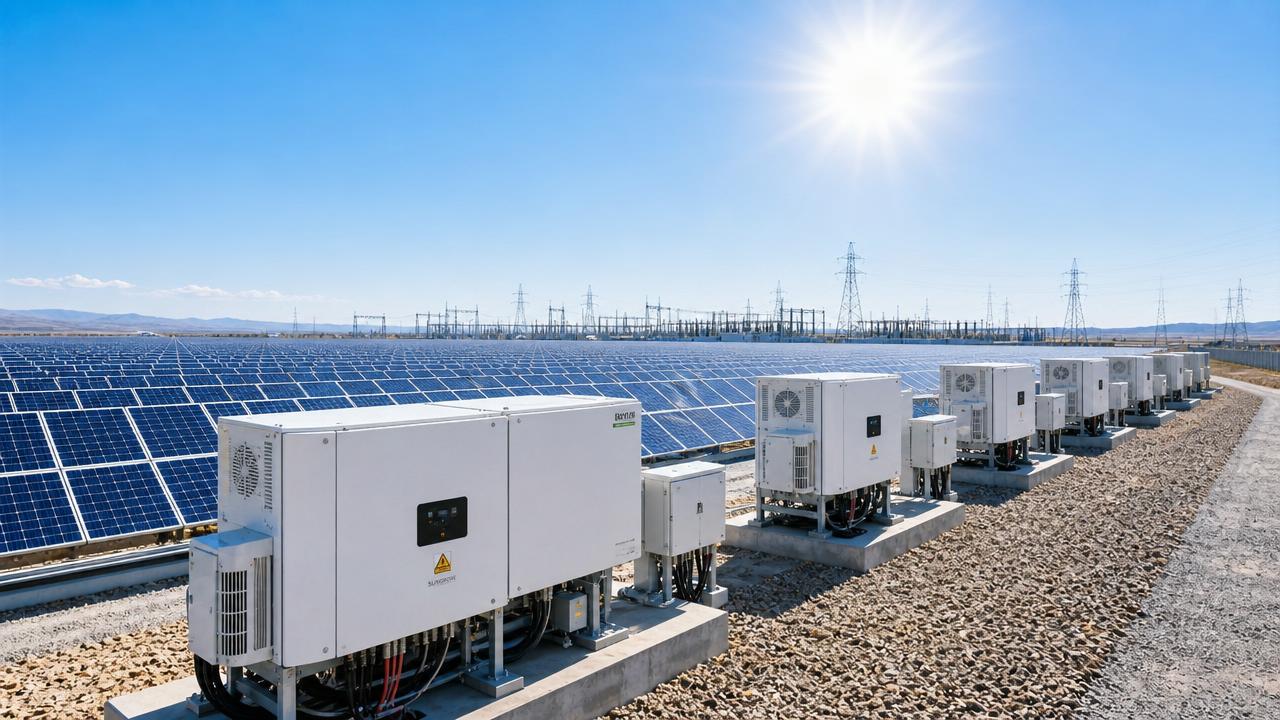
Key Takeaways
- How grid access delays are reshaping renewable project timelines in Latin AmericaDr. Elena Volt
- What drives energy storage systems price per kWh for commercial projects?Dr. Julian Volt
- What manufacturers should compare in emissions tracking softwareLina Cloud
- Why high-net-worth buyers are reshaping demand for automotive technologyDr. Aris Sun
- Can project tender intelligence software improve bid opportunity quality?Lina Cloud
- Which metrics reveal whether a P2P energy trading platform is working?Lina Cloud
- When does strategic link acquisition improve a clean energy site's authority?Dr. Aris Sun
- What drives solar street lighting cost for a new installation?Dr. Aris Sun
Industry Overview
Our mission is to safeguard the future of global renewable energy development through verifiable data, interdisciplinary academic scrutiny, and unwavering industry integrity.
Choosing a reliable string inverter manufacturer shapes project yield, compliance, and financing confidence across utility-scale renewable assets. In large projects, inverter selection affects not only conversion efficiency, but also grid response, maintenance planning, digital visibility, and long-term operational risk.
For energy infrastructure programs, the right supplier must support demanding field conditions, evolving grid codes, and asset-life economics. This guide explains how to evaluate a string inverter manufacturer through practical project scenarios, technical benchmarks, and procurement-focused decision points.
Why project context changes how a string inverter manufacturer should be evaluated
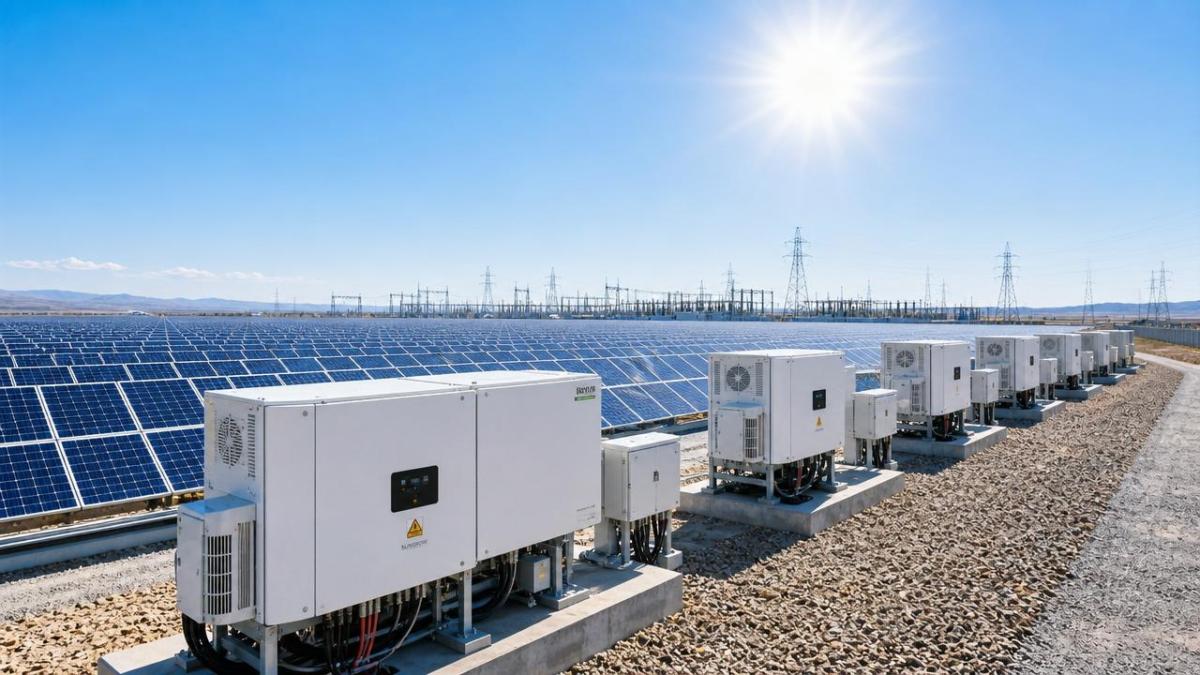
A utility project in a desert, coastal zone, or weak-grid region does not need the same inverter profile. The best string inverter manufacturer in one scenario may underperform in another.
Selection should begin with site constraints, grid requirements, and lifecycle service expectations. This approach aligns technical procurement with real operating conditions rather than headline specifications alone.
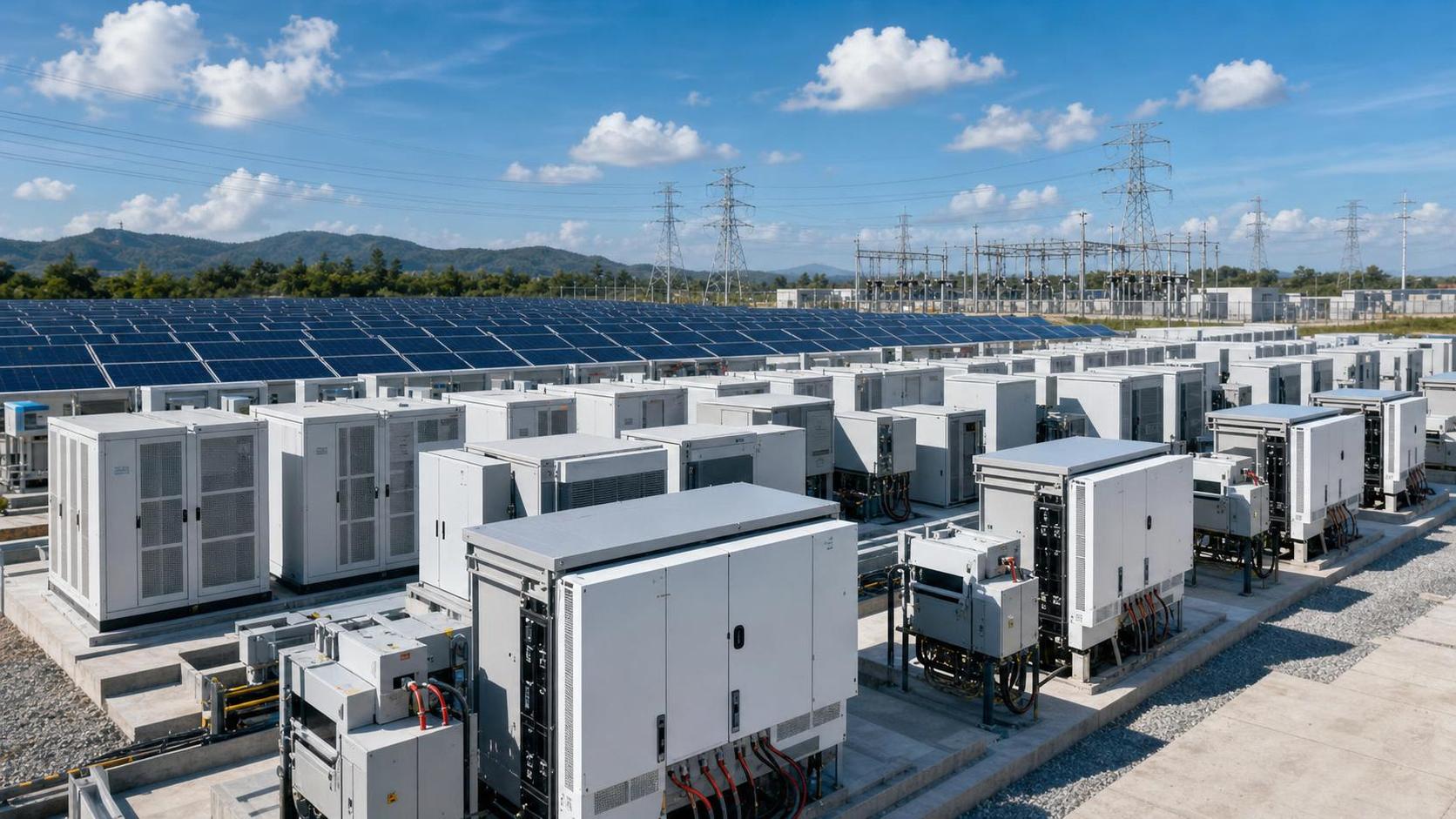
In diversified renewable portfolios, inverter choice also influences SCADA integration, spare parts strategy, and future storage coupling. These factors matter when projects must remain bankable over decades.
Scenario 1: High-irradiance utility PV sites demand thermal resilience and yield stability
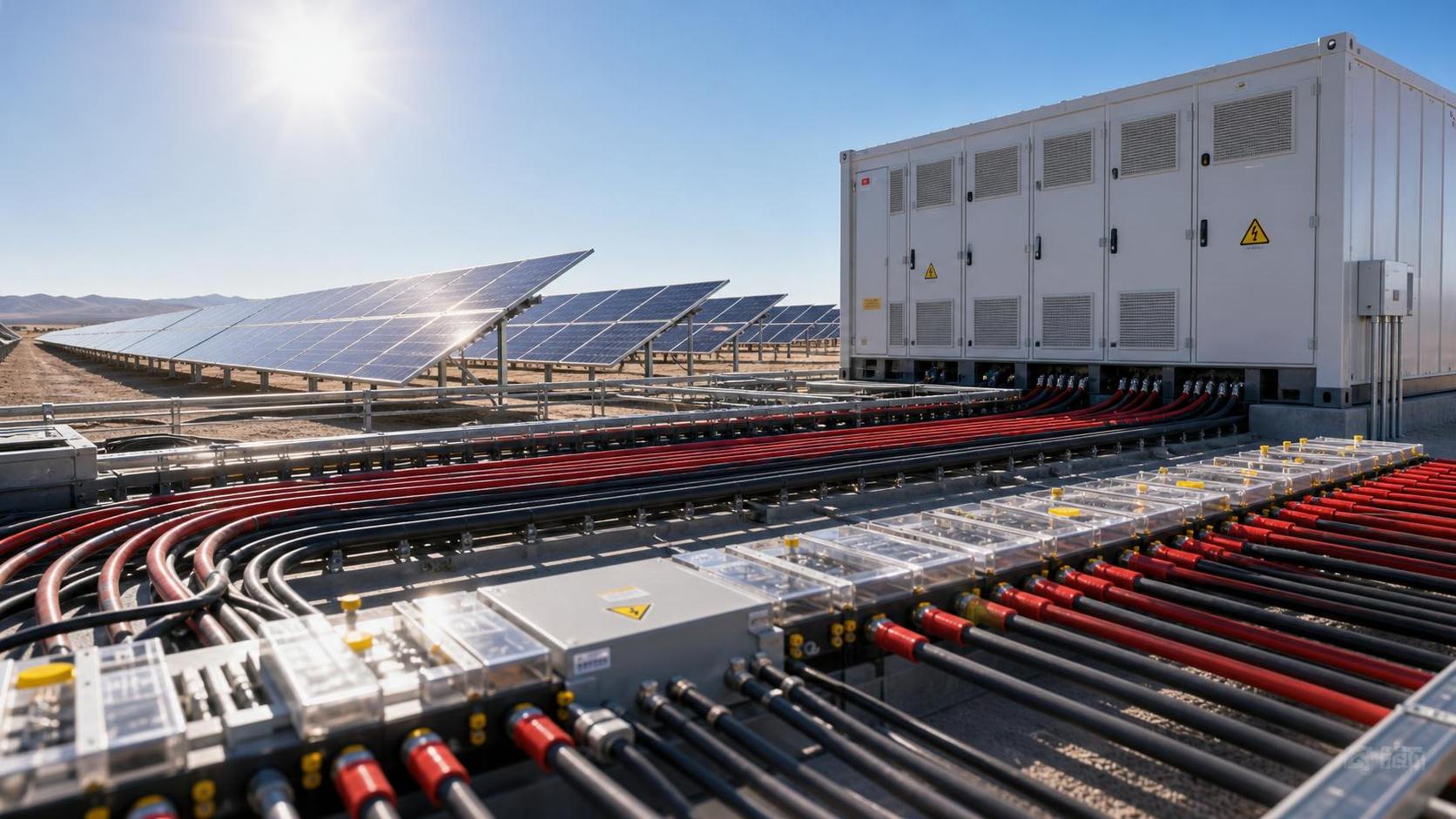
Hot-climate installations often face power derating, dust accumulation, and accelerated component stress. Here, a string inverter manufacturer should demonstrate strong thermal management and robust enclosure protection.
Key checks include maximum operating temperature, derating curves, IP rating, anti-PID compatibility, and fan or fanless cooling architecture. Real field data in similar climates is more valuable than brochure claims.
What to verify in hot and dusty environments
- Efficiency performance at high ambient temperatures
- Ingress protection against sand, dust, and humidity
- DC oversizing flexibility for peak irradiance windows
- Availability of predictive alarms for thermal stress
A credible string inverter manufacturer should also provide validated MTBF data and maintenance intervals. Lower truck-roll frequency can significantly improve operating margins in remote utility zones.
Scenario 2: Weak-grid or grid-constrained regions require advanced support functions
In regions with unstable voltage or limited short-circuit strength, inverter behavior becomes a grid-stability issue. A qualified string inverter manufacturer must support advanced reactive power and dynamic grid services.
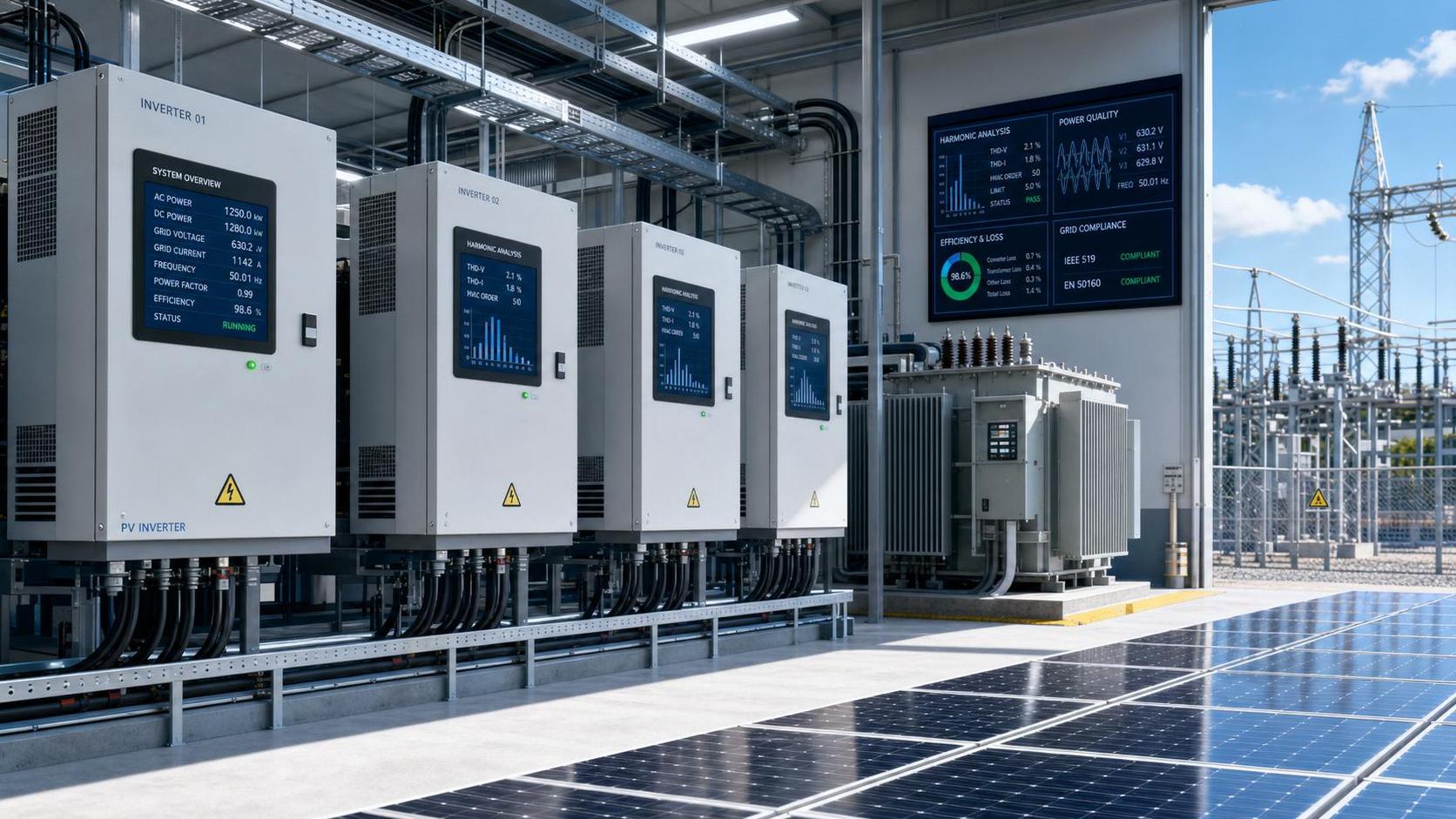
Critical capabilities include LVRT, HVRT, Volt-VAR, frequency-watt response, ramp-rate control, and fast dispatchability. Grid-code compliance should be documented by recognized certifications, not internal declarations.
Why compliance depth matters more than nominal efficiency
A highly efficient unit can still create project delays if certification packages are incomplete. Grid operators increasingly require evidence aligned with IEC, IEEE, UL, and local interconnection frameworks.
The stronger string inverter manufacturer will usually provide model-specific test reports, firmware traceability, and support during commissioning studies. This reduces risk during plant energization and acceptance testing.
Scenario 3: Large portfolios need digital interoperability, not isolated hardware
When a project belongs to a larger renewable fleet, inverter selection should support digital standardization. The ideal string inverter manufacturer must integrate smoothly with EMS, SCADA, and smart-grid analytics platforms.
Protocol compatibility, API openness, cybersecurity controls, and fleet-level diagnostics are central evaluation points. Without them, data silos can undermine performance benchmarking and fault-response speed.
Signals of stronger digital readiness
- Support for Modbus, IEC 61850, or utility-preferred interfaces
- Secure remote firmware updates with change records
- Granular MPPT-level monitoring and alarm classification
- Interoperability with storage and VPP expansion plans
For smart-grid infrastructure, a future-ready string inverter manufacturer is no longer just a component supplier. It becomes part of the project’s data and control architecture.
How utility project needs differ by application scenario
Different project environments create different technical priorities. The table below helps compare what should be emphasized when screening a string inverter manufacturer.
Practical criteria for shortlisting a string inverter manufacturer
A strong evaluation framework balances technical, operational, and commercial evidence. The following checks help identify whether a string inverter manufacturer fits utility-scale expectations.
- Review third-party certifications for each model and market.
- Compare efficiency with realistic operating temperature assumptions.
- Assess DC/AC ratio flexibility and MPPT architecture.
- Check spare parts availability and regional service response times.
- Request reference projects with similar grid and climate conditions.
- Validate software support, firmware governance, and cybersecurity controls.
- Analyze warranty terms, exclusions, and long-term support commitments.
This process helps move beyond price-led comparison. The best string inverter manufacturer is the one that protects project performance under real constraints.
Common mistakes when matching inverter suppliers to project scenarios
One common error is using peak efficiency as the main selection factor. Utility performance depends more on annual energy behavior, curtailment response, and downtime risk than laboratory efficiency alone.
Another mistake is assuming every string inverter manufacturer offers equal service depth. Regional commissioning support, replacement logistics, and local engineering expertise often vary widely.
Projects also overlook future compatibility. If storage integration, grid-forming support, or VPP participation is likely later, today’s inverter decision should preserve that pathway.
Finally, incomplete review of documentation can create delays. Factory test records, compliance certificates, and communication maps should be checked before final technical approval.
Next-step actions for a more bankable selection decision
Start by classifying the project into its real operating scenario. Define climate stress, grid complexity, digital integration needs, and O&M limitations before comparing suppliers.
Then build a weighted scorecard for each string inverter manufacturer. Include technical compliance, lifecycle cost, service depth, software readiness, and reference quality.
Where possible, request scenario-matched case studies and commissioning support plans. Utility-scale procurement gains strength when decisions are backed by verifiable performance evidence.
In a renewable market shaped by smart-grid standards and long asset lives, selecting the right string inverter manufacturer is a strategic infrastructure choice. Careful scenario-based evaluation improves resilience, compliance, and long-term project value.
Deep Dive
Related Intelligence
- Which string cable loss metrics matter most in PV system design?Author :

- Next-Gen Solar Inverter Technology Grid-Forming: Key Performance Trade-OffsAuthor :

- Solar Inverter Harmonic Analysis: When Distortion Becomes a Cost IssueAuthor :

- How to Compare an Off-Grid Solar System Factory Supplier on Cost and Lead TimeAuthor :