String Inverter Manufacturer Comparison for Utility-Scale Reliability
Key Takeaways
- How grid access delays are reshaping renewable project timelines in Latin AmericaDr. Elena Volt
- What drives energy storage systems price per kWh for commercial projects?Dr. Julian Volt
- What manufacturers should compare in emissions tracking softwareLina Cloud
- Why high-net-worth buyers are reshaping demand for automotive technologyDr. Aris Sun
- Can project tender intelligence software improve bid opportunity quality?Lina Cloud
- Which metrics reveal whether a P2P energy trading platform is working?Lina Cloud
- When does strategic link acquisition improve a clean energy site's authority?Dr. Aris Sun
- What drives solar street lighting cost for a new installation?Dr. Aris Sun
Industry Overview
Our mission is to safeguard the future of global renewable energy development through verifiable data, interdisciplinary academic scrutiny, and unwavering industry integrity.
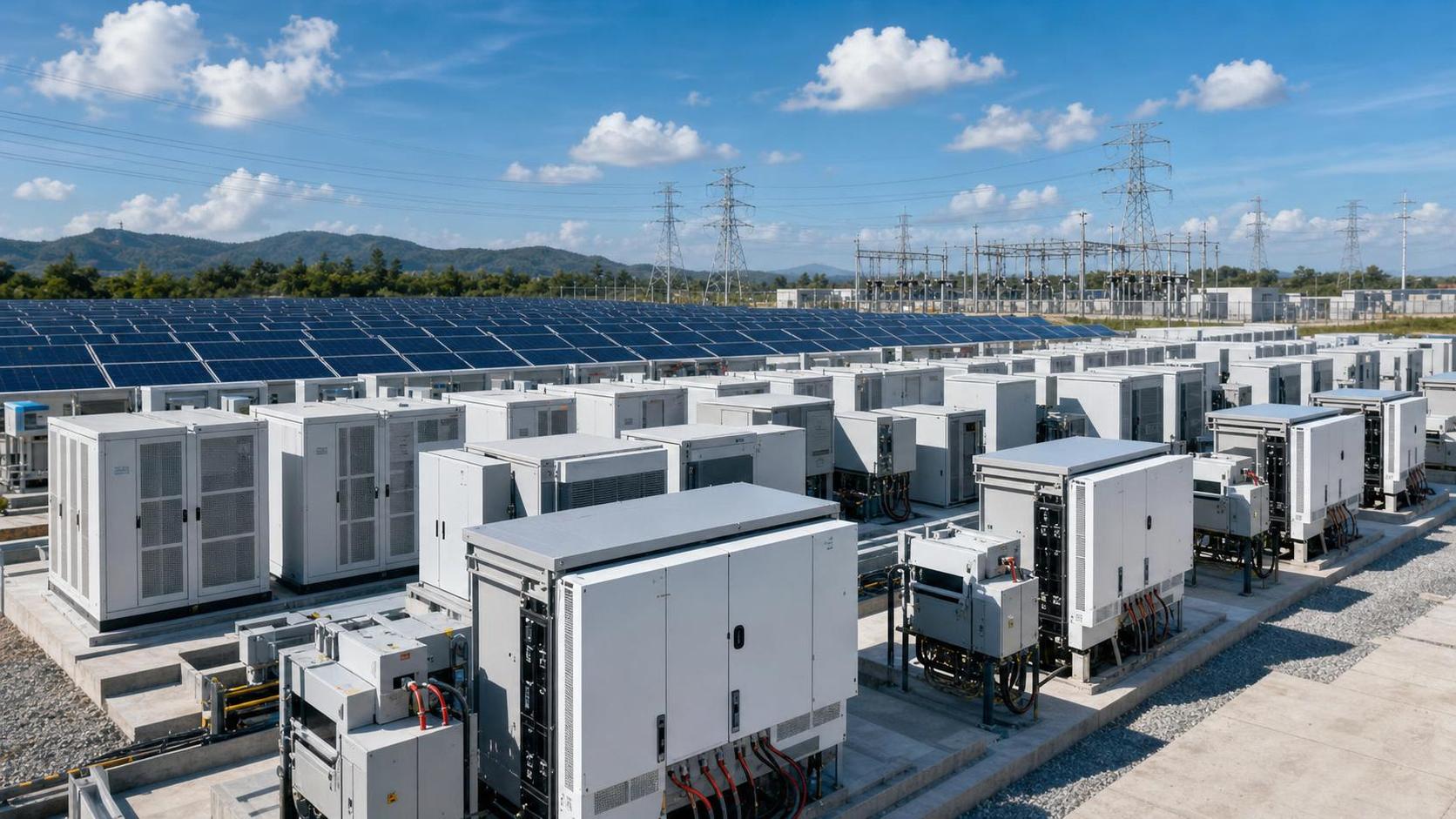
Choosing the right string inverter manufacturer can shape uptime, grid stability, and lifecycle returns in utility-scale solar. In large projects, reliability is not a slogan. It is a measurable outcome of thermal control, component quality, firmware discipline, and field service responsiveness.
For utility-scale infrastructure, a strong comparison should go beyond datasheets. It should test how each string inverter manufacturer performs under heat, voltage fluctuation, reactive power demand, and long maintenance cycles. The best evaluations connect hardware design with grid-code execution and commercial risk.
What makes a string inverter manufacturer reliable for utility-scale projects?
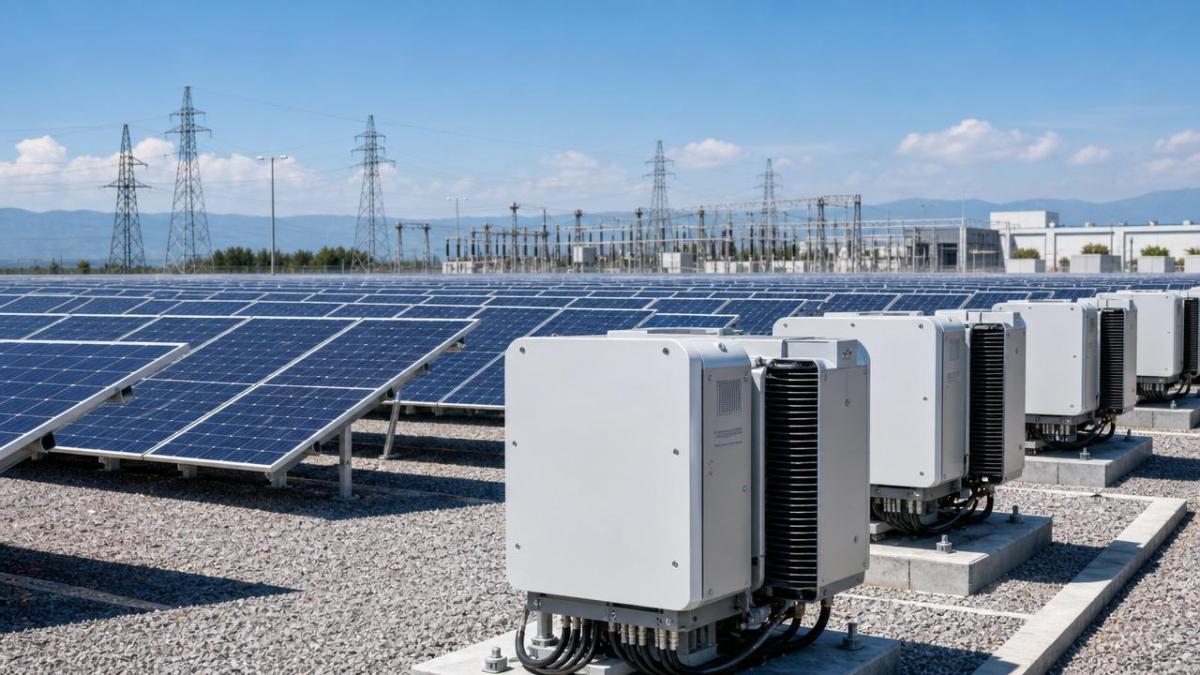
A reliable string inverter manufacturer delivers stable performance across harsh climates, variable irradiance, and demanding grid conditions. Reliability starts with architecture, not marketing language.
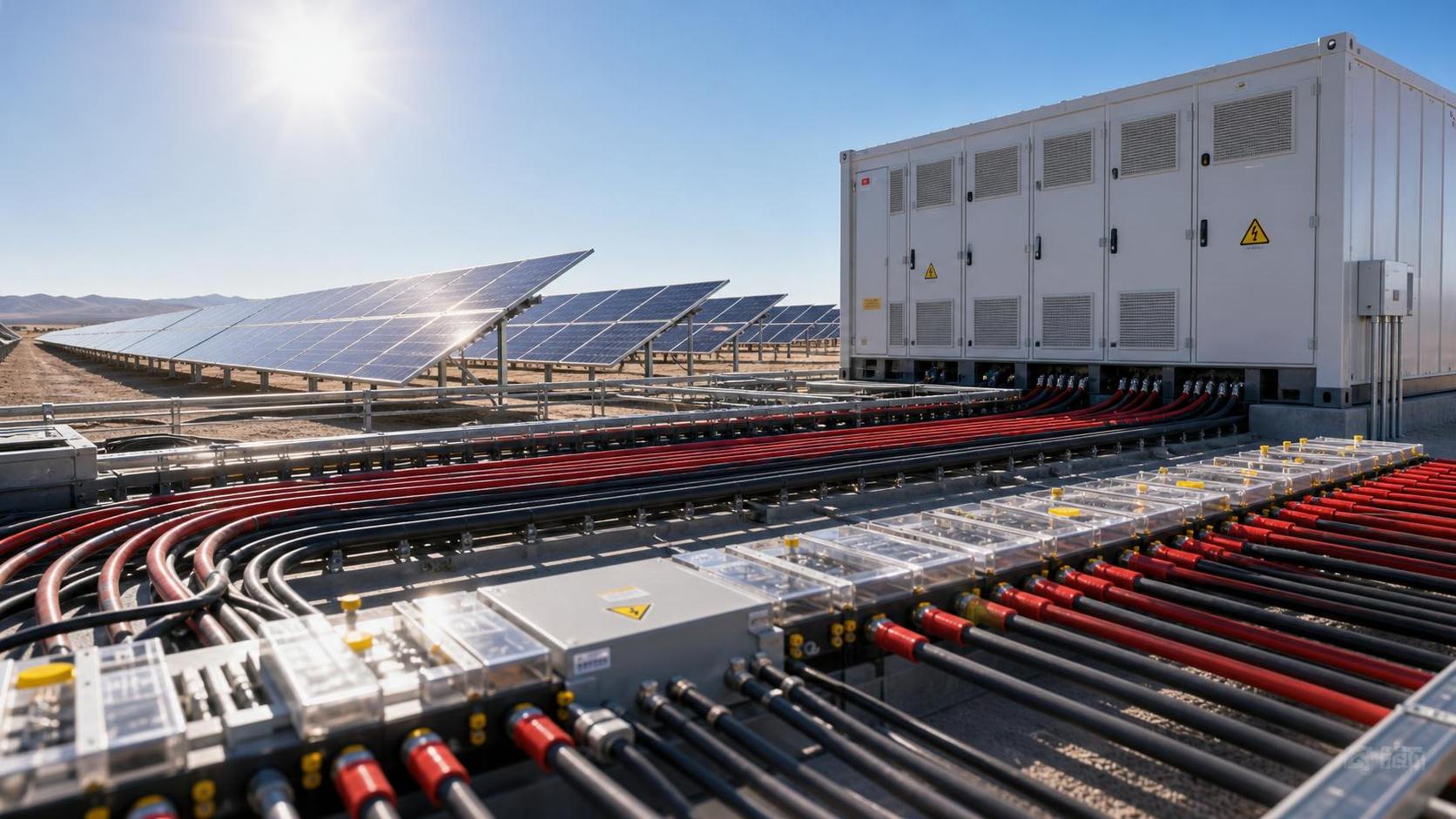
First, examine thermal design. Utility-scale sites often face dust, high ambient temperatures, and solar loading inside combiner and inverter zones. Efficient heat dissipation reduces capacitor stress, semiconductor aging, and nuisance trips.
Second, review power electronics quality. IGBT or SiC device selection, busbar layout, surge protection, DC disconnect robustness, and electrolytic component strategy affect field life directly.
Third, inspect enclosure and ingress protection. IP rating alone is insufficient. Coating quality, filter strategy, corrosion resistance, and sealing durability matter in desert, coastal, and tropical deployments.
A utility-focused string inverter manufacturer should also provide documented mean time between failures, failure mode analysis, and evidence from comparable operating fleets.
- Thermal derating profile at high ambient temperatures
- DC input flexibility across module string designs
- Protection against PID, reverse polarity, and surge events
- Verified operation under IEC, IEEE, and UL frameworks
How should grid-support performance influence manufacturer comparison?
In utility-scale solar, conversion efficiency alone is not enough. A qualified string inverter manufacturer must support grid-forming expectations, dynamic voltage response, and dispatchable plant behavior where required.
Modern projects increasingly face strict interconnection studies. Inverters must satisfy low-voltage ride-through, high-voltage ride-through, reactive power control, and frequency-watt functions without unstable behavior.
The comparison should include firmware maturity. Grid-support features are only valuable when validated across multiple revisions, not introduced as untested optional upgrades.
It is also important to review plant controller integration. A top-tier string inverter manufacturer should demonstrate clean communication with PPC, SCADA, meteorological systems, and substation automation layers.
Key grid-support checkpoints
- Reactive power response speed under changing grid voltage
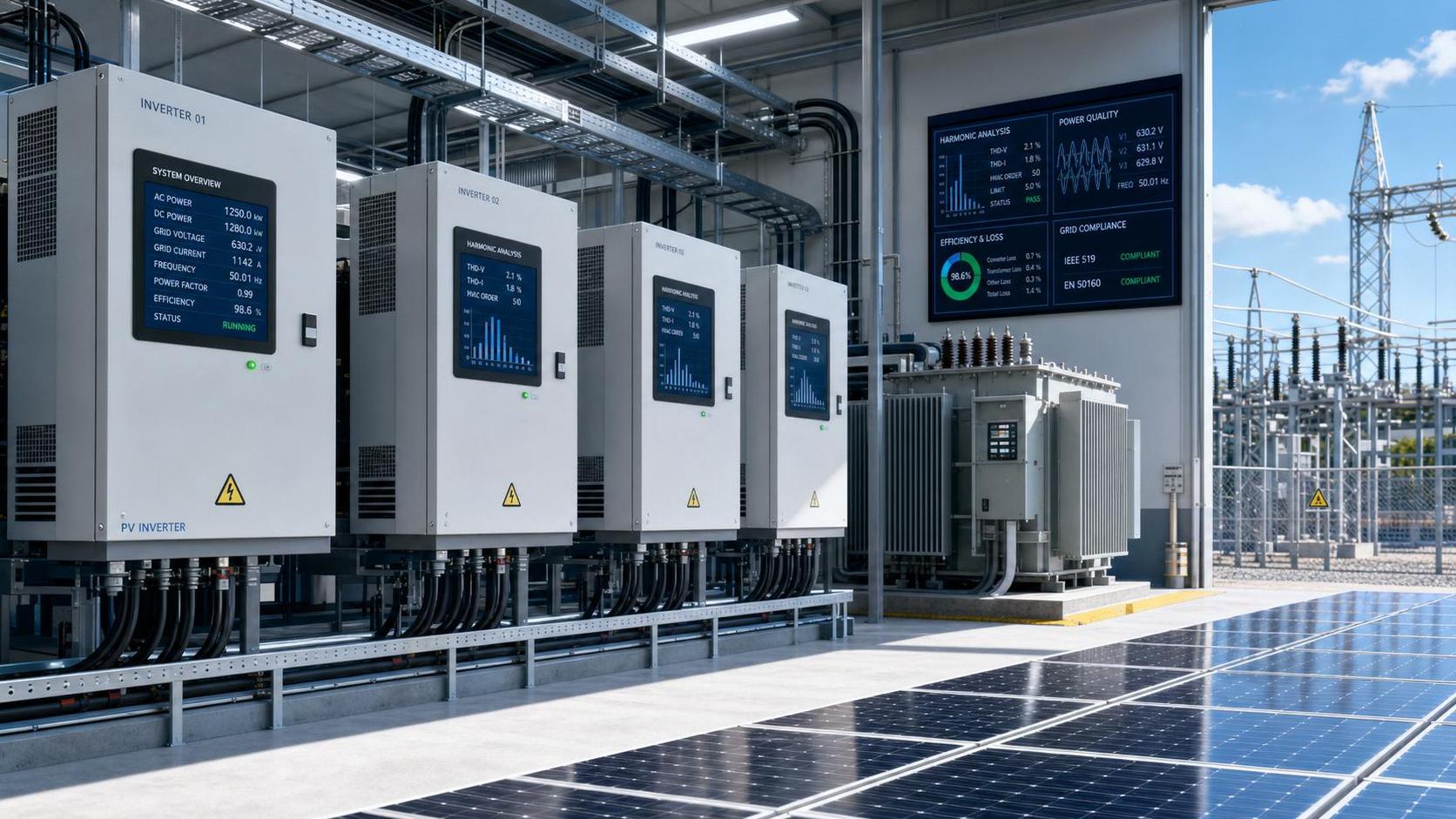
- Harmonic distortion performance at partial load
- Ramp-rate control accuracy during cloud transients
- Fault ride-through behavior proven in grid simulations
- Cybersecurity and remote firmware management discipline
Where smart-grid participation is expected, inverter behavior should align with broader Energy Internet and VPP-ready architectures. That reduces future retrofit risk.
Which technical benchmarks matter most when comparing a string inverter manufacturer?
A practical comparison matrix should separate headline specs from bankable operating indicators. The strongest string inverter manufacturer is often not the one with the highest peak efficiency number.
European efficiency and CEC efficiency remain useful. However, weighted performance under site temperature, clipping profile, soiling pattern, and DC oversizing ratio is usually more meaningful.
MPPT count and current handling deserve attention. Large-format modules, bifacial arrays, and terrain-driven string mismatch can expose weak channel design quickly.
When comparing any string inverter manufacturer, request field-failure trends by component category. That reveals whether service events are random or systemic.
How do service networks and lifecycle support affect utility-scale reliability?
Even a technically strong inverter can become a weak asset without responsive support. For utility-scale sites, after-sales capability is part of the product itself.
A dependable string inverter manufacturer should provide regional spare stock, structured escalation paths, firmware governance, and clear turnaround times for RMA events.
Remote diagnostics are increasingly essential. Event logs, waveform capture, fault clustering, and device-level analytics reduce truck rolls and shorten root-cause analysis.
Warranty terms also need careful reading. The lowest-cost option may exclude labor, freight, serial failure treatment, or replacement model continuity after product discontinuation.
Support questions worth asking
- How many trained service points exist near the project region?
- What is the guaranteed spare-part availability window?
- Can failed power stages be swapped on site?
- How are firmware changes validated before fleet-wide deployment?
These issues are central when benchmarking any string inverter manufacturer for long-life renewable assets connected to smart-grid infrastructure.
What common mistakes appear in string inverter manufacturer comparison?
One common mistake is overvaluing peak efficiency while ignoring operating temperature losses. A one-line efficiency claim may hide significant derating in hot afternoon conditions.
Another mistake is assuming certifications guarantee field reliability. Compliance proves a baseline. It does not confirm durability under dust, humidity, voltage instability, or aggressive dispatch profiles.
Some evaluations overlook software dependence. A string inverter manufacturer may offer advanced controls, yet unstable firmware can undermine yield and availability.
There is also a tendency to ignore DC-side compatibility. High-current modules and evolving array architectures can expose underdesigned inputs, connectors, or protection schemes.
How can evaluators build a practical decision framework?
A useful framework balances technical, operational, and strategic criteria. It should score each string inverter manufacturer against project-specific priorities rather than generic rankings.
Start with site conditions. Heat, altitude, salinity, grid strength, and maintenance access should shape weighting. A desert plant and a coastal hybrid plant may require different inverter strengths.
Then review integration depth. Consider compatibility with plant controllers, storage coupling plans, and future smart-grid participation. That matters in projects expecting advanced dispatch or ancillary services.
Finally, test commercial resilience. A bankable string inverter manufacturer should show supply continuity, transparent revision control, and stable long-term product roadmaps.
Recommended decision sequence
- Define site and grid reliability requirements
- Filter suppliers by proven utility-scale references
- Compare thermal, electrical, and software benchmarks
- Audit support structure and warranty detail
- Run lifecycle risk and yield sensitivity analysis
A disciplined comparison reduces avoidable reliability losses and improves confidence in utility-scale investment decisions.
In summary, the best string inverter manufacturer is the one that proves durable design, robust grid support, maintainable architecture, and credible lifecycle service. Use a structured matrix, request fleet evidence, and align selection with real site conditions before finalizing the shortlist.
Deep Dive
Related Intelligence
- Which string cable loss metrics matter most in PV system design?Author :

- Next-Gen Solar Inverter Technology Grid-Forming: Key Performance Trade-OffsAuthor :

- Solar Inverter Harmonic Analysis: When Distortion Becomes a Cost IssueAuthor :

- How to Compare an Off-Grid Solar System Factory Supplier on Cost and Lead TimeAuthor :