Railway Investment & UHV Logistics Boost Grid Infrastructure
Key Takeaways
- How grid access delays are reshaping renewable project timelines in Latin AmericaDr. Elena Volt
- What drives energy storage systems price per kWh for commercial projects?Dr. Julian Volt
- What manufacturers should compare in emissions tracking softwareLina Cloud
- Why high-net-worth buyers are reshaping demand for automotive technologyDr. Aris Sun
- Can project tender intelligence software improve bid opportunity quality?Lina Cloud
- Which metrics reveal whether a P2P energy trading platform is working?Lina Cloud
- When does strategic link acquisition improve a clean energy site's authority?Dr. Aris Sun
- What drives solar street lighting cost for a new installation?Dr. Aris Sun
Industry Overview
Our mission is to safeguard the future of global renewable energy development through verifiable data, interdisciplinary academic scrutiny, and unwavering industry integrity.
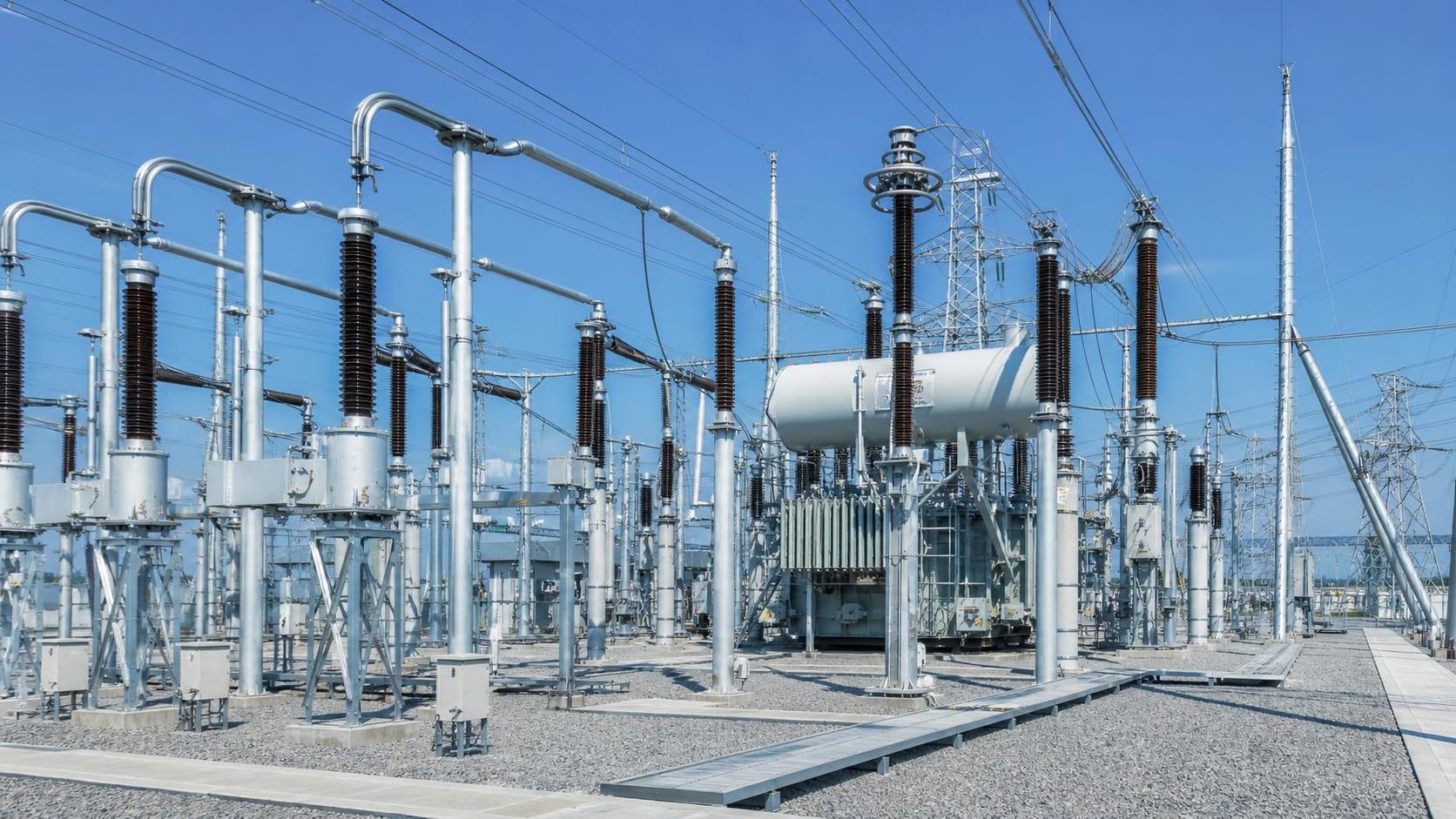
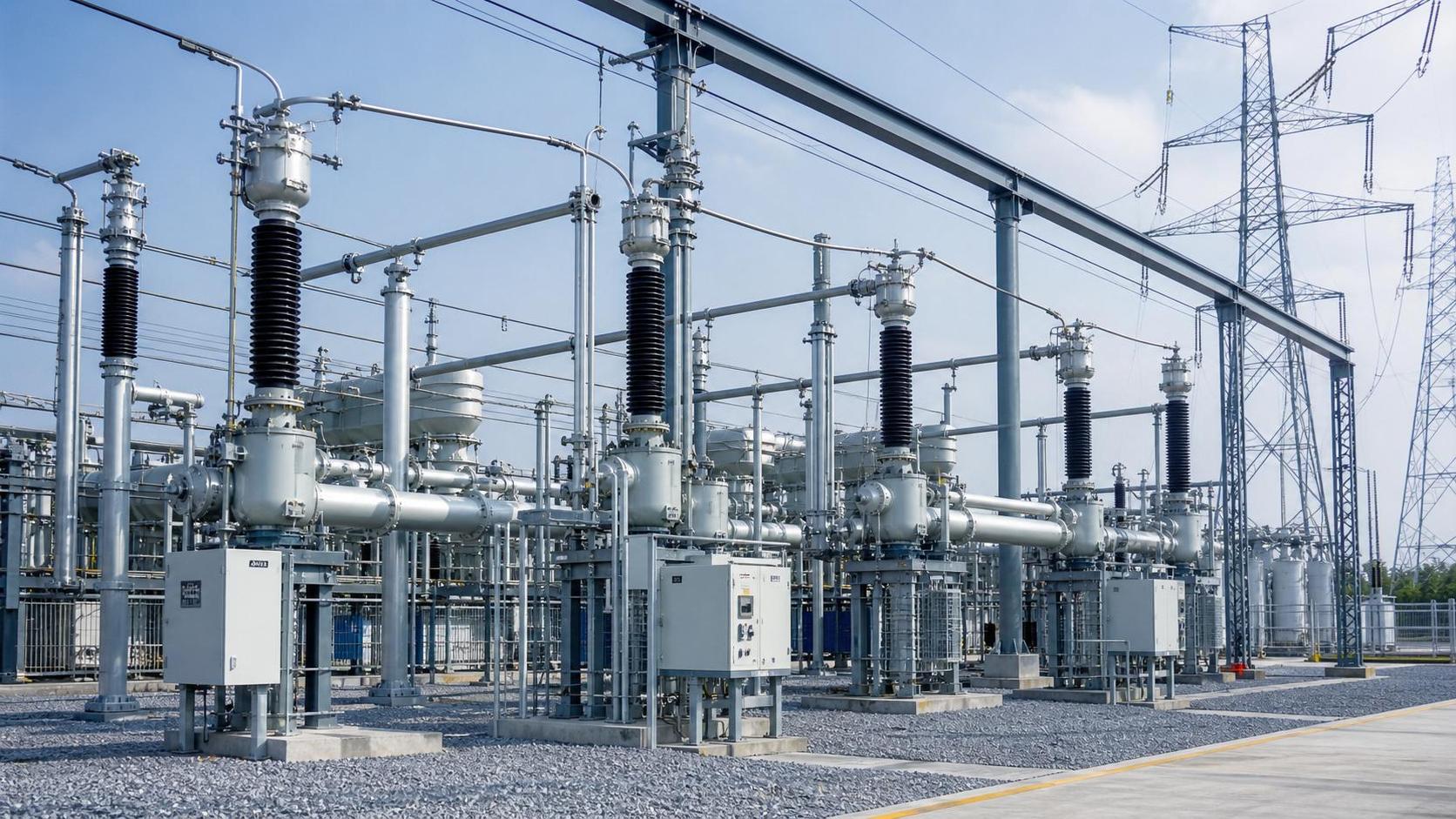
China's railway infrastructure investment and enhanced logistics capacity for ultra-high-voltage (UHV) substations are reshaping supply chain reliability for power grid equipment—particularly amid accelerated construction of dedicated freight corridors supporting UHV projects. The development, confirmed on 2026-05-15, signals strengthened domestic delivery assurance and improved cross-regional project execution capability, with implications spanning trade, manufacturing, and third-party logistics sectors.
Event Overview
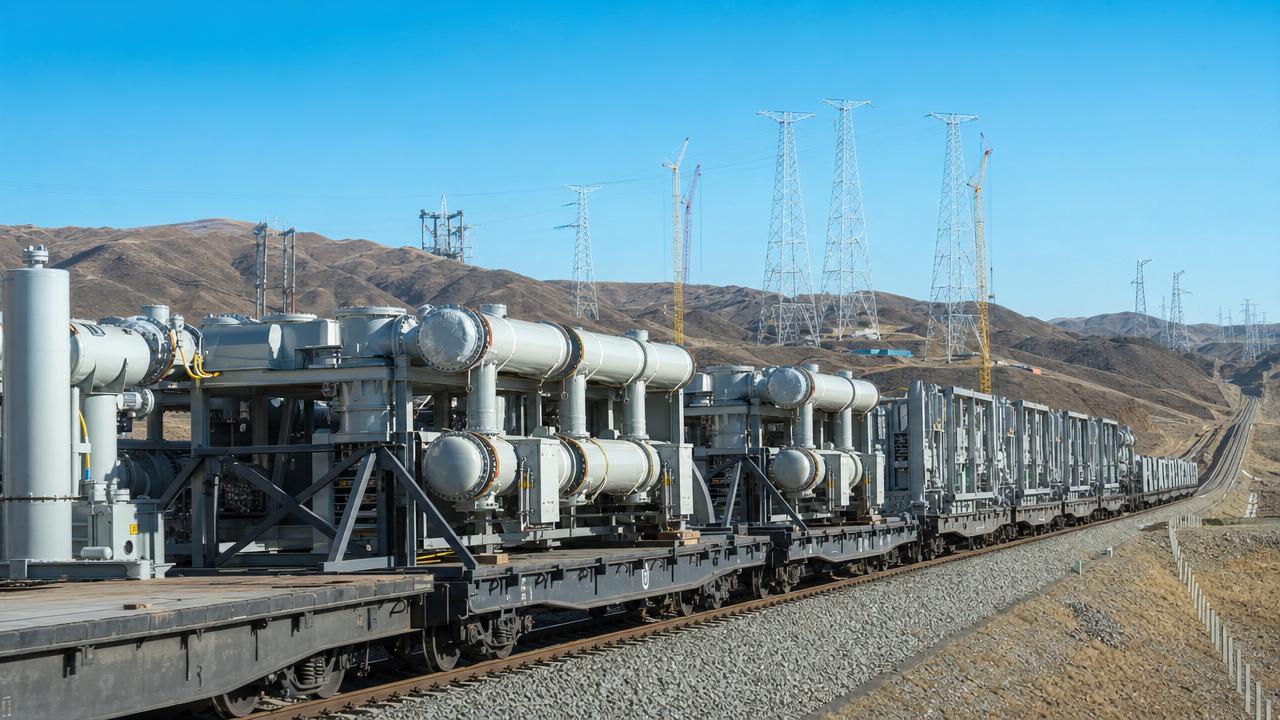
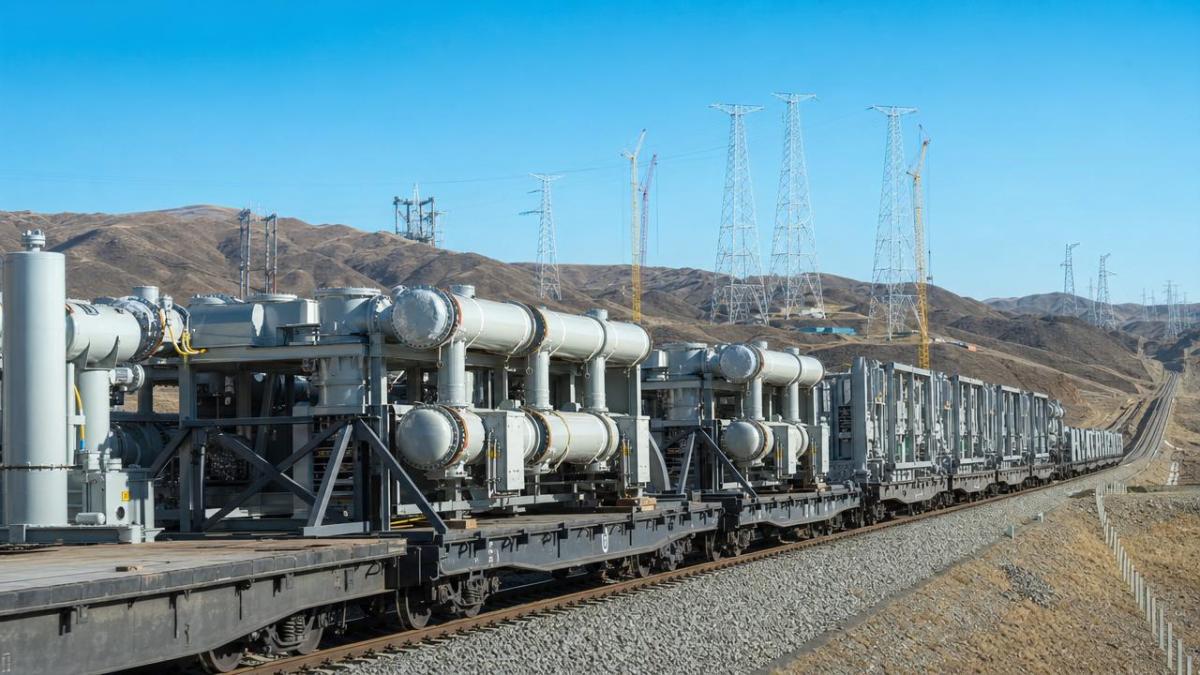
In Jan–Apr 2026, China’s national railway fixed-asset investment totaled RMB 200.8 billion, up 3.2% year-on-year. Construction of UHV-dedicated lines and oversized cargo transport routes advanced notably. Transport efficiency for core UHV substation components—including GIS switchgear and converter valves—improved by 22% on routes such as Zhengzhou–Xi’an and Ningwu. Meanwhile, approval time for oversized cargo transport permits was reduced to five working days. These improvements reinforce delivery stability and remote-project fulfillment capacity for overseas EPC contractors sourcing from Chinese suppliers.
Industries Impacted
Direct Trading Enterprises
Trading firms acting as intermediaries between Chinese manufacturers and international utilities or EPC contractors face tighter margin pressure but gain competitive leverage in contract bidding. Faster transit times and predictable permit cycles reduce demurrage risk and improve lead-time accuracy—key differentiators in tenders where logistics clauses are increasingly weighted. However, heightened delivery expectations may compress negotiation windows for force majeure or schedule adjustments.
Raw Material Procurement Enterprises
Suppliers of high-grade steel, specialized insulating materials, and rare-earth-based magnetic components benefit from more stable downstream demand signals. With UHV-dedicated rail lines absorbing volume previously reliant on road transport, procurement planners observe lower volatility in inland freight rates—and fewer last-minute expediting requests. That said, inventory strategies must now align with shorter, more synchronized production–dispatch windows.
Manufacturing Enterprises
Manufacturers of GIS assemblies, HVDC converter valves, and transformer bushings report improved on-time-in-full (OTIF) performance due to reliable inbound logistics and outbound dedicated line access. This supports leaner work-in-process inventories and better capacity planning. Yet, the compressed 5-day permit timeline raises operational sensitivity: any delay in component readiness or documentation now risks cascading schedule slippage—not just for domestic projects, but for export-bound consignments under strict EPC milestones.
Supply Chain Service Providers
Third-party logistics providers specializing in oversized and heavy-lift cargo see rising demand for integrated rail–road coordination services, especially in western and northern regions. The policy-driven standardization of permitting procedures lowers administrative friction—but also increases price transparency and intensifies competition among certified carriers. Firms with digital load-tracking platforms and pre-approved route databases are gaining share, while those reliant on manual coordination face margin erosion.
Key Focus Areas & Recommended Actions
Align Permit Documentation with Production Milestones
Manufacturers and exporters should embed oversized cargo permit preparation—including dimensional verification, route survey reports, and utility coordination letters—into their internal production gating process. Delaying documentation until final assembly risks missing the 5-working-day window.
Reassess Inland Freight Contract Terms
Trade and procurement teams should revise Incoterms® clauses (e.g., shifting from FCA to DAP for key UHV hubs) to reflect new rail-access advantages. Contracts should explicitly reference approved UHV-dedicated corridors as default routing unless otherwise agreed—reducing ad hoc rerouting costs.
Strengthen Cross-Border EPC Coordination Protocols
Overseas EPC contractors sourcing from China should formalize joint logistics planning sessions with suppliers at the bid stage—not post-award. Shared visibility into rail slot allocation, seasonal weather constraints on mountainous segments (e.g., Ningwu), and contingency routing options improves milestone confidence.
Editorial Insight / Industry Observation
Observably, this is not merely an infrastructure upgrade—it reflects a strategic recalibration of China’s power equipment value chain toward *logistics-integrated competitiveness*. While past policy emphasis centered on R&D subsidies or export tax rebates, the current focus on physical delivery certainty suggests a shift toward “fulfillment sovereignty” as a non-tariff advantage. Analysis shows that foreign EPC firms now benchmark Chinese suppliers not only on price or technical specs, but on verifiable, auditable transit SLAs—making rail-enabled traceability a de facto commercial requirement. From an industry perspective, this trend is likely to accelerate vertical integration among Tier-1 equipment makers who control both factory output and dedicated rail access.
Conclusion
This development underscores a broader transition: infrastructure policy is becoming a direct input into industrial competitiveness—not just an enabler. For global grid stakeholders, the implication is clear—delivery reliability, once treated as an operational footnote, has now entered the realm of strategic differentiation. A rational observation is that regional disparities in logistics maturity will widen; players active in UHV-corridor-served provinces gain measurable execution advantage, while others may require targeted partnership or localization investments to remain competitive.
Source Attribution
Data sourced from the National Railway Administration of China (NRA) and State Grid Corporation of China (SGCC) quarterly infrastructure bulletins (Q2 2026 release). Permit processing timelines verified via the Ministry of Transport’s Integrated Cargo Permit Portal. Ongoing monitoring recommended for: (1) expansion of UHV-dedicated lines beyond current Zhengxi/Ningwu corridors; (2) potential harmonization of oversized cargo standards across provincial jurisdictions; (3) adoption of blockchain-based rail shipment tracking by SGCC-affiliated logistics units.
Deep Dive
Related Intelligence
- How to size UHV equipment for grid projects with high fault levelsAuthor :

- How to Evaluate UHV Switchgear for Substation ReliabilityAuthor :

- Smart Grid Solutions for Substations in Retrofit Projects: Where ROI Comes FromAuthor :

- Smart Grid Solutions for Substations: 5 Checks Before System SelectionAuthor :