Distributed Energy vs Centralized Power: Cost and Flexibility Compared
Key Takeaways
- How grid access delays are reshaping renewable project timelines in Latin AmericaDr. Elena Volt
- What drives energy storage systems price per kWh for commercial projects?Dr. Julian Volt
- What manufacturers should compare in emissions tracking softwareLina Cloud
- Why high-net-worth buyers are reshaping demand for automotive technologyDr. Aris Sun
- Can project tender intelligence software improve bid opportunity quality?Lina Cloud
- Which metrics reveal whether a P2P energy trading platform is working?Lina Cloud
- When does strategic link acquisition improve a clean energy site's authority?Dr. Aris Sun
- What drives solar street lighting cost for a new installation?Dr. Aris Sun
Industry Overview
Our mission is to safeguard the future of global renewable energy development through verifiable data, interdisciplinary academic scrutiny, and unwavering industry integrity.
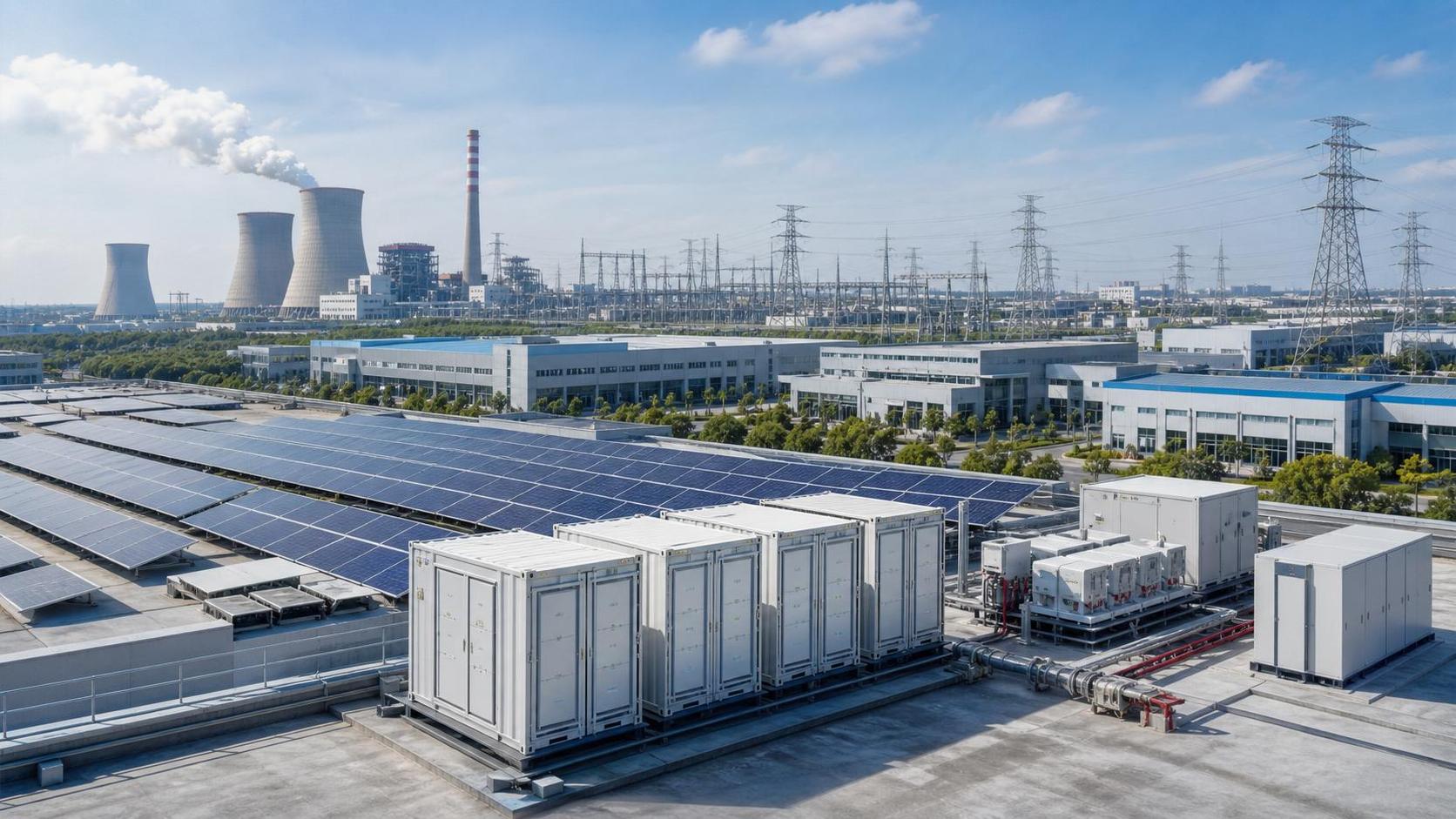
The comparison between centralized power and Distributed Energy now reaches far beyond a simple cost debate. Capital planning, resilience, dispatchability, policy risk, and grid participation increasingly determine which model creates lasting value across industrial and commercial energy portfolios.
That shift matters because energy infrastructure is no longer judged only by the price of electricity at the point of delivery. It is also judged by how well it responds to volatile markets, carbon constraints, interconnection bottlenecks, and operational continuity requirements.
For organizations evaluating long-horizon assets, Distributed Energy often appears less like a niche alternative and more like a strategic architecture choice. Centralized power still dominates bulk generation, but flexibility is becoming just as commercial as scale.
What the two models really represent
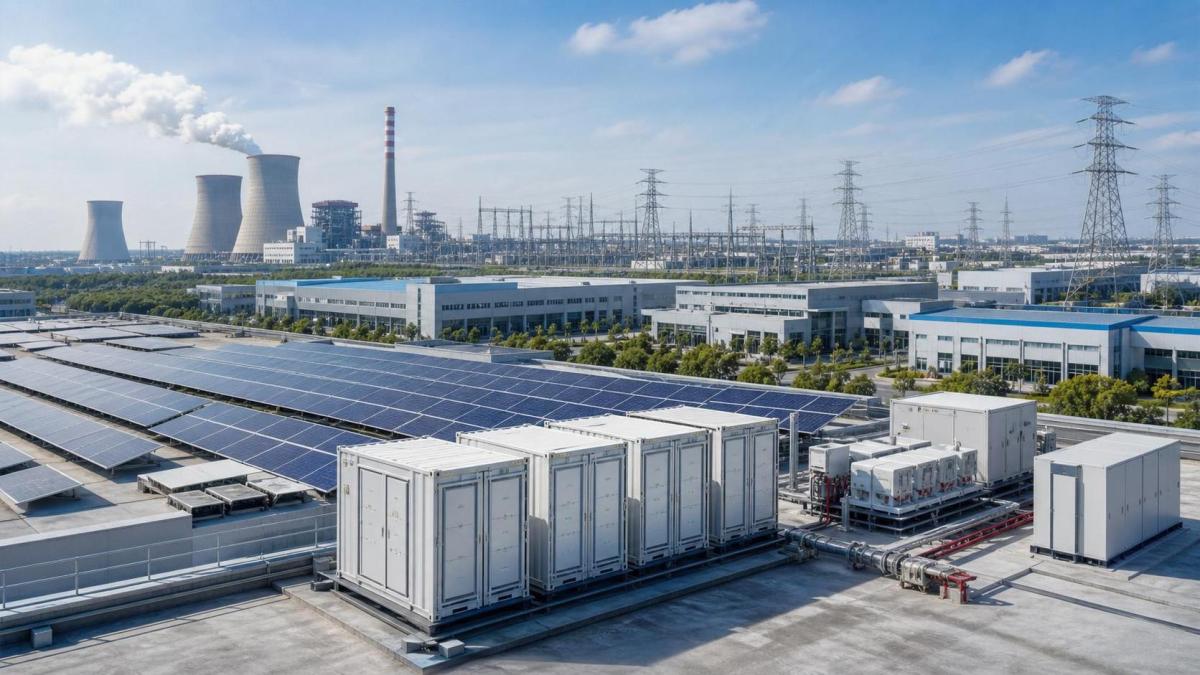
Centralized power usually refers to large, remote generation assets feeding electricity through transmission and distribution networks. These systems benefit from scale, mature operating models, and established market structures.
Distributed Energy places generation, storage, and control closer to the point of use. That may include rooftop solar, on-site batteries, microgrids, flexible loads, small wind, and software that orchestrates local assets.
The important distinction is not only physical location. It is also about control logic. Distributed Energy can be configured to optimize self-consumption, peak shaving, backup power, tariff arbitrage, and participation in grid services.
In practice, many energy systems are now hybrid. They rely on centralized supply for volume, while Distributed Energy improves resilience and operational agility at the edge.
Why this comparison matters more now
Several market changes have made the centralized-versus-distributed question more urgent. Electricity buyers face unstable wholesale prices, tighter emissions targets, and growing pressure to prove supply security under stress conditions.
Grid congestion is another driver. Even where renewable generation is expanding, transmission buildout often lags. That creates curtailment risk in some regions and access delays in others, weakening the old assumption that larger generation automatically means smoother delivery.
At the same time, control technologies have improved. AI-enabled virtual power plants, smarter inverters, advanced metering, and liquid-cooled BESS platforms have made Distributed Energy more bankable and easier to integrate.
This is where the G-REI perspective becomes useful. Looking across PV, wind, storage, smart distribution, and Energy Internet software, the strongest commercial decisions are increasingly based on system coordination rather than isolated equipment pricing.
Cost is no longer a single number
A narrow cost comparison can be misleading. Centralized power may show attractive generation economics on a levelized basis, especially at utility scale. Yet delivered value depends on transmission charges, curtailment, losses, congestion, and exposure to external outages.
Distributed Energy usually carries higher unit costs for smaller assets, but it can reduce spending in places that matter operationally. That includes demand charges, backup generation fuel, downtime losses, and some network upgrade requirements.
A realistic commercial review should separate at least four cost layers.
This means the lower-cost option on paper may not be the lower-cost option in operation. Distributed Energy often wins where energy reliability and tariff management carry measurable financial weight.
Flexibility creates commercial value
Flexibility is one of the strongest reasons Distributed Energy continues to gain attention. A centralized model is efficient for bulk supply, but it is less responsive to local operational changes unless the wider grid is equally adaptable.
Distributed Energy can respond at multiple levels. It can reduce load during peak tariffs, store solar output for later use, support critical processes during grid instability, and even export value through ancillary services where regulation allows.
That flexibility matters in sectors where interruption costs exceed the energy bill itself. Data facilities, advanced manufacturing lines, logistics hubs, campuses, and mixed-use commercial estates often care more about controllable performance than pure volume economics.
From a smart-grid viewpoint, flexibility also improves system balance. Distributed Energy paired with VPP software can act as a controllable resource rather than a passive load. This helps align local assets with broader grid stability objectives.
Where centralized power still holds an advantage
Centralized power remains essential for high-volume, continuous supply. Large industrial clusters, heavy processing plants, and dense urban networks still depend on utility-scale infrastructure for dependable bulk energy delivery.
It also benefits from mature financing, regulatory familiarity, and proven dispatch frameworks. In markets with strong transmission capacity and stable pricing, centralized supply can remain the most straightforward commercial choice.
The decision looks different across use cases
The better model depends on operational profile, geography, power quality sensitivity, and regulatory design. One framework rarely fits every asset class.
- Sites with volatile peak demand often benefit from Distributed Energy plus storage and load control.
- Remote or weak-grid locations often gain resilience and lower disruption costs through microgrids.
- Large baseload facilities may still rely mainly on centralized power, while using Distributed Energy for support functions.
- Portfolios with carbon reporting obligations often use Distributed Energy to improve emissions visibility and traceability.
A useful pattern is layered procurement. Centralized power covers long-duration energy demand. Distributed Energy covers flexibility, resilience, and local optimization where the grid alone cannot respond fast enough.
What should be examined before choosing
Commercial evaluation should move beyond a binary comparison. The more practical question is how much centralized power is needed, and where Distributed Energy adds the highest marginal value.
Several issues deserve close review.
- Load shape: assess hourly demand, seasonal peaks, and critical process windows.
- Grid exposure: review outage frequency, interconnection delays, and local congestion conditions.
- Revenue stack: quantify savings from self-generation, storage dispatch, peak reduction, and grid services.
- Technology fit: compare PV, wind, BESS, controls, and protection systems against IEC, IEEE, and UL benchmarks.
- Policy pathway: map incentives, tariff design, export rules, and future compliance obligations.
This is also where neutral benchmarking matters. G-REI’s cross-sector lens is relevant because asset performance cannot be separated from software orchestration, grid compatibility, and market access rules.
A more realistic way to compare value
The most effective comparison is not centralized power versus Distributed Energy in isolation. It is centralized-only versus a coordinated architecture that blends bulk supply with flexible, local intelligence.
That hybrid view reflects how energy systems are actually evolving. Utility-scale renewables, long-term PPAs, smart distribution, battery storage, and VPP controls are increasingly evaluated together, not as unrelated budget lines.
When measured against long-term uncertainty, Distributed Energy often provides option value that traditional cost models understate. It creates room to adapt to tariff reform, electrification growth, carbon accountability, and changing reliability thresholds.
The next step is usually not an immediate commitment to one model. It is a structured review of site load behavior, grid constraints, resilience thresholds, and technology combinations that can be phased in without locking capital too early.
In that sense, the central question is simple: not which model is universally better, but which mix of centralized power and Distributed Energy produces the strongest operational and financial outcome under real market conditions.
Deep Dive
Related Intelligence
- How grid access delays are reshaping renewable project timelines in Latin AmericaAuthor :

- How renewable development for utilities can improve grid resilienceAuthor :

- When does smart grid software with real-time analytics improve outage response?Author :

- How to Evaluate Industrial Technology Sourcing Suppliers for Delivery RiskAuthor :