Transformer Procurement Guide: How Grid, Factory, and Renewable Energy Buyers Can Reduce Specification, Delivery, and Lifecycle Risk
Key Takeaways
- How grid access delays are reshaping renewable project timelines in Latin AmericaDr. Elena Volt
- What drives energy storage systems price per kWh for commercial projects?Dr. Julian Volt
- What manufacturers should compare in emissions tracking softwareLina Cloud
- Why high-net-worth buyers are reshaping demand for automotive technologyDr. Aris Sun
- Can project tender intelligence software improve bid opportunity quality?Lina Cloud
- Which metrics reveal whether a P2P energy trading platform is working?Lina Cloud
- When does strategic link acquisition improve a clean energy site's authority?Dr. Aris Sun
- What drives solar street lighting cost for a new installation?Dr. Aris Sun
Industry Overview
Our mission is to safeguard the future of global renewable energy development through verifiable data, interdisciplinary academic scrutiny, and unwavering industry integrity.
Power distribution projects are becoming more complex as factories, commercial buildings, renewable energy sites, data centers, and utility networks demand reliable equipment with clearer efficiency, safety, and documentation controls. When buyers evaluate a Transformer, the decision should connect capacity, voltage level, load profile, installation environment, protection needs, test records, delivery conditions, and long-term operating cost rather than relying only on the lowest quotation.
This procurement decision guide is written for EPC contractors, electrical distributors, grid project teams, industrial plant managers, renewable energy developers, commercial facility owners, and purchasing departments that need a practical way to compare transformer offers. A transformer is not a simple stock item. It affects power stability, equipment safety, installation schedule, maintenance planning, and energy loss over years of operation. A low initial price can become expensive if capacity is mismatched, cooling is unsuitable, noise is unacceptable, test documents are incomplete, or transport planning is weak. Strong procurement begins by translating the project environment into a clear technical and commercial scope.
Start with the Project Load and Voltage Requirements
The first procurement question is not which supplier has the lowest price. It is what the electrical system needs the transformer to do. Buyers should define primary voltage, secondary voltage, rated capacity, frequency, phase, load pattern, expected peak demand, future expansion plans, and whether the equipment will serve continuous operation, intermittent loads, motor starts, renewable power integration, or critical facilities. A transformer that is too small may overheat or limit expansion. A transformer that is oversized may increase unnecessary cost and losses.
Load profile is especially important. A factory with large motors, welding equipment, or variable production cycles may have different requirements from an office building, solar project, charging station, or residential distribution point. Buyers should also review harmonic conditions, short-circuit requirements, impedance, tap range, temperature rise, cooling method, and system protection coordination where relevant. These items help the supplier select a suitable design and help the buyer compare proposals on the same basis.
Future capacity planning should be discussed early. Some projects buy equipment only for current demand and later discover that expansion requires replacement or parallel installation. Other projects overbuild from the beginning and tie up capital. The right decision balances current load, expected growth, installation space, grid conditions, and budget. Procurement teams should involve electrical engineers before finalizing capacity.
Choose the Right Transformer Type for the Environment
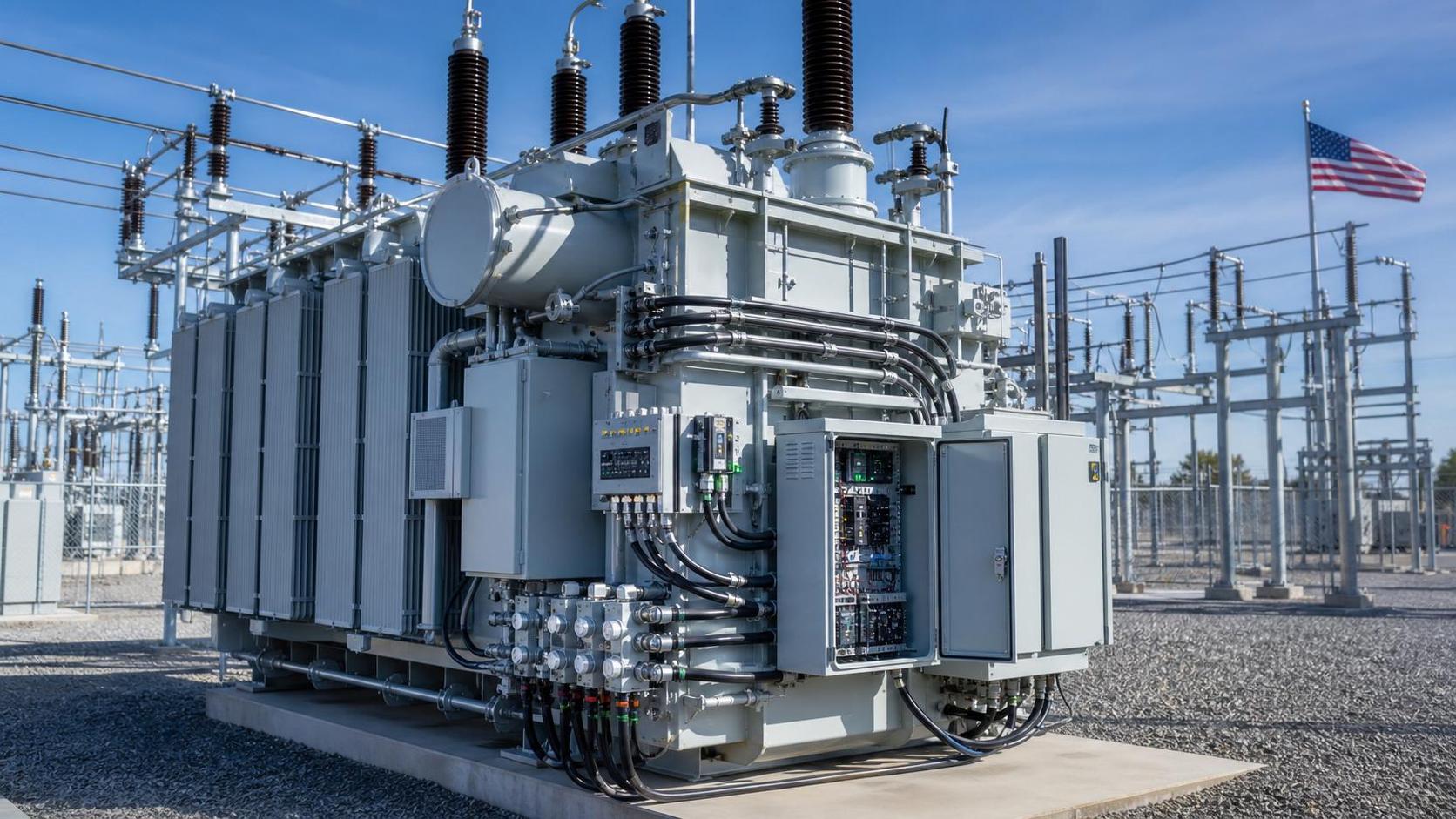
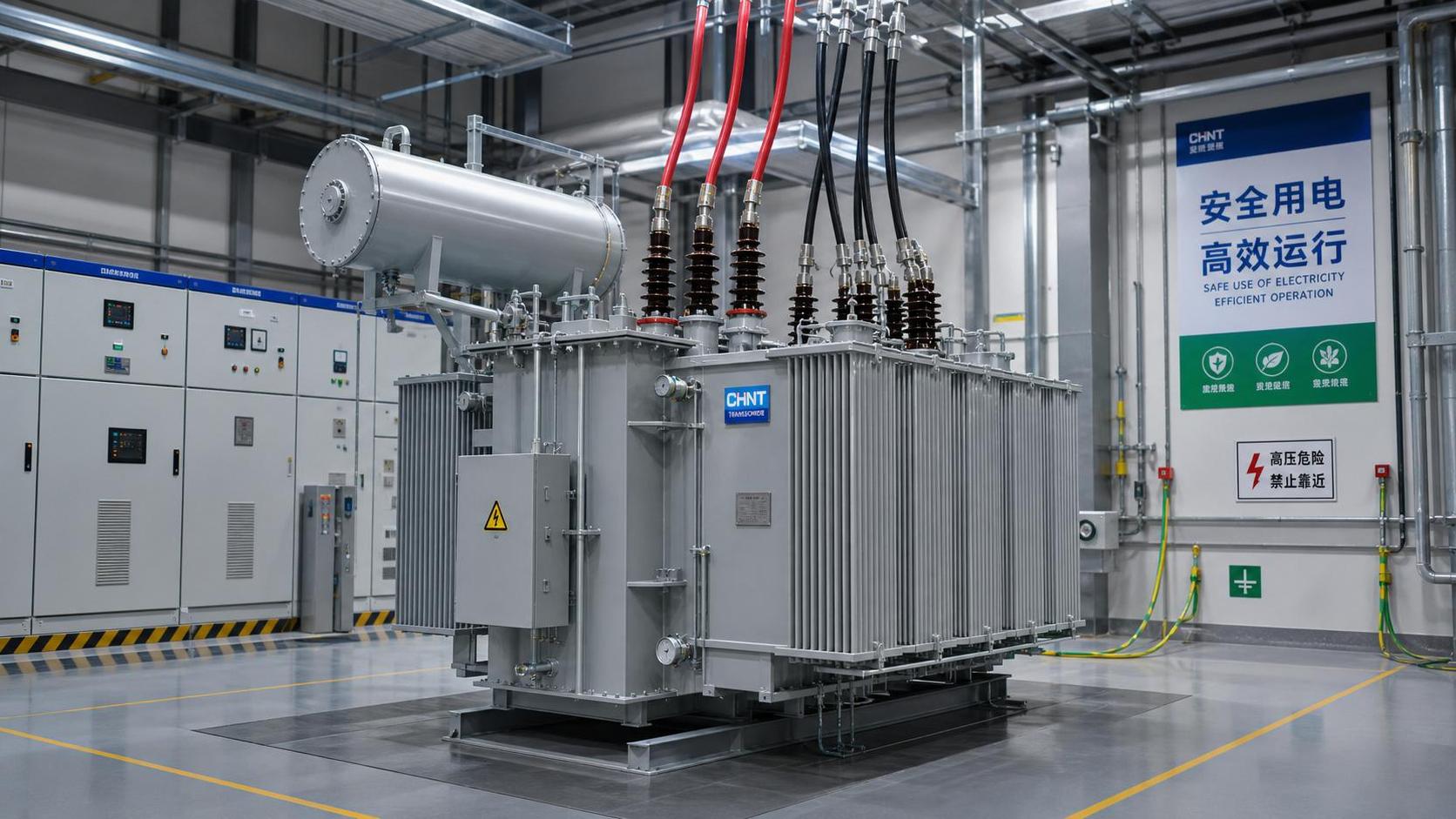
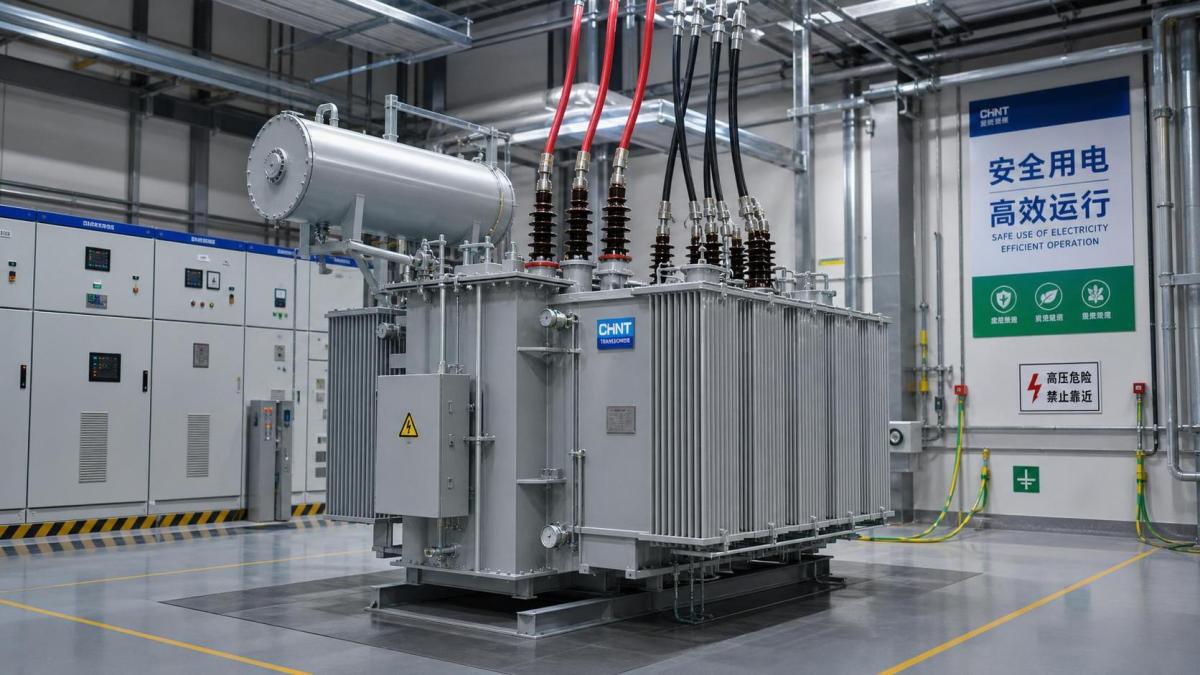
Transformer type should match installation conditions and safety expectations. Oil-immersed transformers are commonly used in many distribution and utility applications because they offer established performance, cooling capability, and broad capacity options. Dry-type transformers are often considered for indoor spaces, buildings, commercial facilities, and locations where fire safety, reduced liquid handling, or cleaner installation is important. Amorphous alloy transformers may be considered where lower no-load losses are a priority. Prefabricated substations combine transformer, switchgear, and enclosure functions for compact power distribution projects.
The correct choice depends on environment, load, safety, maintenance, local standards, and project layout. An outdoor utility project may prioritize weather resistance, tank integrity, oil management, and transport durability. A building project may prioritize noise, ventilation, footprint, fire safety, and access. A renewable energy project may focus on efficiency, voltage matching, grid connection, and site logistics. A factory may focus on reliability under variable loads and maintenance access.
Buyers should avoid treating all transformer types as interchangeable. Each type has different installation needs, protection requirements, testing expectations, and maintenance logic. A clear application description allows suppliers to recommend equipment that fits the actual site.
Evaluate Efficiency Through Lifecycle Cost
Transformer purchasing should include lifecycle cost thinking. The purchase price is visible immediately, but losses continue during operation. No-load loss occurs whenever the transformer is energized, while load loss varies with load. For equipment that operates continuously, efficiency can influence total cost over many years. Buyers should ask for loss data and compare it against operating hours, energy cost assumptions, and project requirements.
Energy efficiency requirements may vary by region and project. Some buyers need to meet national efficiency rules, utility standards, green building targets, or internal sustainability policies. Others may prioritize reliability and availability but still benefit from reduced losses. A more efficient transformer may have a higher initial cost, but it can be economically justified in the right operating profile. The buyer should avoid both extremes: ignoring losses entirely or overpaying for efficiency that the project does not need.
Loss comparison should use the same rating and test basis. If suppliers quote different capacities, cooling methods, or design assumptions, the efficiency comparison may be misleading. Buyers should request clear technical data and ensure proposals are comparable before making a decision.
Review Safety, Protection, and Site Conditions
Safety requirements depend on the installation environment. Indoor installations may need attention to fire performance, ventilation, clearance, noise, access, and local electrical codes. Outdoor installations may need weather protection, corrosion resistance, foundation planning, oil containment where applicable, lightning protection, and enclosure security. Industrial facilities may need additional review for dust, vibration, high ambient temperature, or chemical exposure.
Protection coordination should be considered with upstream and downstream equipment. Transformers do not operate alone. They interact with switchgear, cables, protection relays, grounding systems, surge protection, and load equipment. Buyers should confirm whether the supplier provides drawings, connection details, nameplate data, and technical support needed for system integration. If a prefabricated substation is being considered, the relationship between transformer, high-voltage equipment, low-voltage distribution, enclosure, ventilation, and protection should be reviewed as one package.
Noise can also be important in commercial and residential settings. A technically suitable unit may still create acceptance problems if noise is not considered. Buyers should clarify whether noise level, enclosure design, foundation, and installation position have been reviewed.
Testing, Documentation, and Acceptance
Testing and documentation are central to transformer procurement. Buyers commonly review routine test reports, insulation resistance, winding resistance, voltage ratio, vector group, impedance voltage, load loss, no-load loss, temperature rise information where applicable, and other project-specific records. The exact document package depends on standards, customer requirements, voltage level, and project risk.
Drawings should be confirmed before production or shipment. Buyers may need outline drawings, foundation drawings, terminal arrangement, lifting details, nameplate data, wiring diagrams, and accessory lists. If the equipment will be installed in an existing room or containerized system, dimensions and access clearances must be checked carefully. A small mismatch can cause major site delay.
Documentation should be consistent across purchase order, drawings, test reports, packing list, nameplate, and shipment records. If several units are ordered, each unit should be traceable. Clear records support commissioning, warranty review, maintenance, and future replacement planning. Procurement teams should request document samples or templates when working with a new supplier.
Supplier Qualification and Commercial Review
A qualified supplier should be able to discuss electrical ratings, transformer type, efficiency, site conditions, testing, drawings, accessories, packing, delivery schedule, and after-sales support. Buyers should evaluate how the supplier handles technical questions. A supplier who asks for load data, site conditions, standards, and installation details is helping reduce risk. A supplier who quotes quickly without clarifying key requirements may create hidden problems.
Commercial review should include more than unit price. Buyers should confirm what is included: accessories, enclosure, oil, fans, temperature controllers, tap changers, protection devices, drawings, testing, export packing, inspection coordination, shipping terms, and technical support. A low price may exclude items needed for installation or acceptance. A higher price may include a more complete scope. Comparing offers fairly requires a shared checklist.
Lead time should also be realistic. Transformer production, testing, documentation, packing, and transport can take time, especially for custom ratings or large units. Buyers should align delivery schedule with civil works, cable installation, switchgear readiness, commissioning, and grid connection milestones. Late transformer delivery can delay the entire project.
Procurement Checklist
- Define capacity, voltage, phase, frequency, impedance, tap range, and load profile before requesting quotations.
- Choose the transformer type based on site environment, safety requirements, maintenance access, and lifecycle cost.
- Request loss data and compare efficiency using the same rating and operating assumptions.
- Confirm indoor or outdoor conditions, ambient temperature, altitude, ventilation, noise, enclosure, and corrosion protection needs.
- Review drawings, nameplate data, routine test reports, certificates, packing list, and accessory list before shipment.
- Check logistics details including weight, dimensions, lifting points, unloading method, and site access route.
- Compare supplier offers by technical scope, documents, testing, accessories, delivery reliability, and after-sales support.
- Keep all approved drawings and reports for commissioning, maintenance, and future spare or replacement planning.
FAQ
How should buyers choose between dry-type and oil-immersed transformers?
The choice depends on installation environment, safety requirements, capacity, cooling needs, maintenance plan, local standards, and total cost. Dry-type units are often considered for indoor or building environments, while oil-immersed units are widely used in outdoor and utility-style distribution applications.
Why does transformer efficiency matter?
Efficiency affects operating cost over time. No-load and load losses can add cost throughout the life of the equipment, especially for continuously energized systems. Buyers should compare loss data as part of lifecycle cost review.
What documents should be requested before shipment?
Common documents include drawings, routine test reports, certificates, nameplate data, packing list, accessory list, and shipment photos. Project-specific requirements may require additional test evidence or customer-approved formats.
Can a transformer be selected only by kVA rating?
No. Capacity is important, but voltage, impedance, load profile, cooling method, installation environment, efficiency, protection coordination, and standards also affect suitability.
How can buyers reduce delivery and installation risk?
They can confirm drawings early, check dimensions and weight, plan lifting and unloading, review route limits, align delivery with site readiness, and verify all documents before shipment.
Deep Dive
Related Intelligence
- How to Evaluate Automation System Solutions in the Middle East by Climate, Compliance, and Lifecycle CostAuthor :

- DOE Funding Guide Favors Digital TransformersAuthor :

- Electric Motors: Common Efficiency Losses and How to Fix ThemAuthor :

- Transformer Procurement Guide: How Grid, Factory, and Renewable Energy Buyers Can Reduce Specification, Delivery, and Lifecycle RiskAuthor :