Chinese Digital Transformers Win NEOM UHV Orders
Key Takeaways
- How grid access delays are reshaping renewable project timelines in Latin AmericaDr. Elena Volt
- What drives energy storage systems price per kWh for commercial projects?Dr. Julian Volt
- What manufacturers should compare in emissions tracking softwareLina Cloud
- Why high-net-worth buyers are reshaping demand for automotive technologyDr. Aris Sun
- Can project tender intelligence software improve bid opportunity quality?Lina Cloud
- Which metrics reveal whether a P2P energy trading platform is working?Lina Cloud
- When does strategic link acquisition improve a clean energy site's authority?Dr. Aris Sun
- What drives solar street lighting cost for a new installation?Dr. Aris Sun
Industry Overview
Our mission is to safeguard the future of global renewable energy development through verifiable data, interdisciplinary academic scrutiny, and unwavering industry integrity.
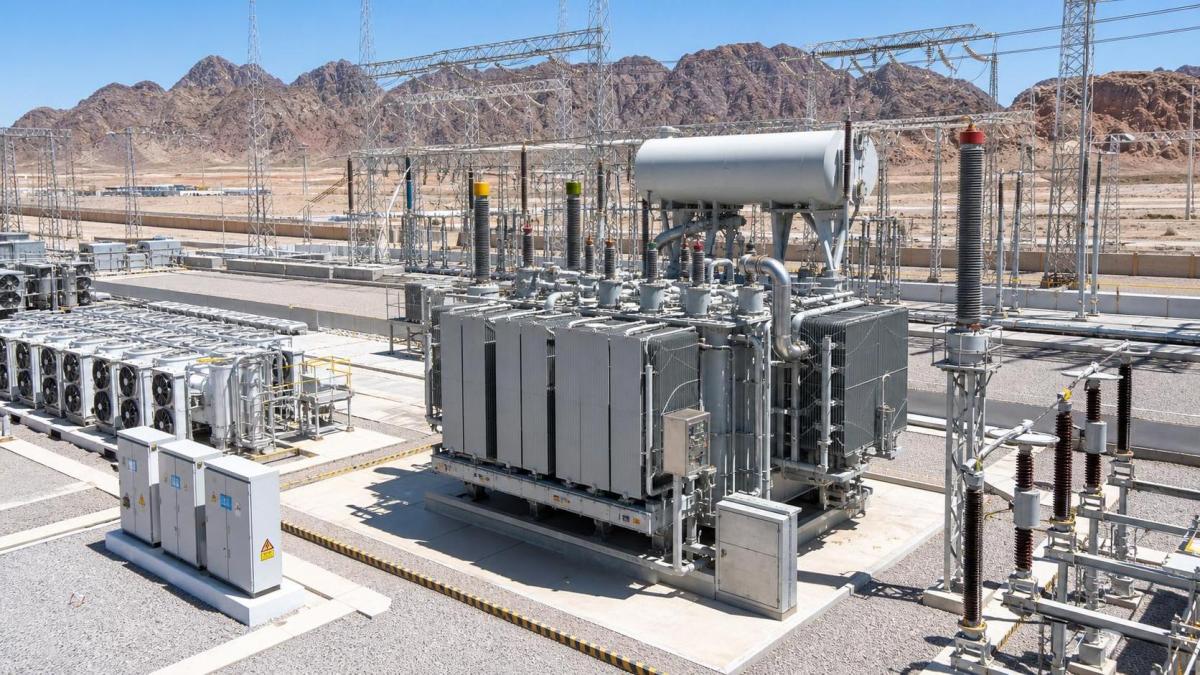
On June 10, 2026, a new export development drew attention across the UHV equipment, power transmission, and industrial supply chain markets: according to a June 25 notice from the China Chamber of Commerce for Import and Export of Machinery and Electronic Products, three Chinese digital transformer manufacturers secured batch orders in early June for Phase II of the NEOM city UHV transmission and transformation project in Saudi Arabia, with a total value of more than USD 120 million. The deal is notable not only for its size, but also because it combines digital interface requirements, real-time carbon tracking, and local energy-efficiency certification into one procurement framework, making it relevant for manufacturers, exporters, certification teams, and delivery planners.
What the confirmed order includes
The confirmed information shows that three Chinese digital transformer manufacturers won orders in early June for Phase II of the NEOM UHV transmission and transformation project in Saudi Arabia. The total contract value exceeded USD 120 million.
The project requires the equipment to include digital interfaces compliant with IEC 61850-90-5, support real-time Carbon Tracking functions, and pass Saudi SASO 2924:2025 energy-efficiency certification.
The delivery schedule is fixed for Q4 2026.
Why this matters across the supply chain
Export-facing equipment suppliers face a more specific entry threshold
From an industry perspective, manufacturers and direct export businesses may be affected first because the order requirements are not limited to electrical performance alone. Digital interface capability, carbon-related data functionality, and local certification now appear together in the procurement conditions. The business impact is likely to show up in product configuration, bid preparation, technical documentation, and cross-border compliance work.
Certification and compliance teams move closer to the sales cycle
Observably, teams responsible for standards, testing, and market access may need to engage earlier in similar projects. The explicit inclusion of SASO 2924:2025 suggests that certification is not a downstream formality in this case, but part of the commercial threshold. What deserves closer attention is whether more overseas buyers begin linking technical selection directly with local efficiency rules and documentation readiness.
Delivery and project coordination become more demanding
For supply chain service providers and project delivery teams, the Q4 2026 delivery window means execution discipline matters alongside order intake. The likely pressure points are production scheduling, document coordination, acceptance preparation, and communication between manufacturers and project-side stakeholders. Even where capacity exists, timing and compliance alignment may become decisive.
What companies should watch next
Track whether technical requirements stay bundled
Analysis shows that the most practical point is not only the presence of IEC 61850-90-5, Carbon Tracking, and SASO 2924:2025, but the fact that these requirements appear together. Companies serving overseas grid and substation projects should watch whether this bundled structure remains project-specific or starts to appear more often in future tenders.
Review product and document readiness together
For manufacturers and exporters, product capability alone may not be enough if supporting documents, certification progress, and interface descriptions are not aligned. Current attention should focus on whether internal technical, compliance, and commercial teams can present a consistent package to buyers within tight procurement timelines.
Prepare for shorter reaction time in overseas tenders
The delivery deadline of Q4 2026 suggests limited slack between award, compliance preparation, and execution. Companies involved in similar business should pay attention to lead-time planning, supplier coordination, and communication mechanisms for specification changes or certification issues.
Separate policy signals from executable requirements
What deserves closer attention is the difference between a broad market narrative and a contract-level requirement. In this case, the actionable signals are the named standard, the carbon-tracking function, the certification requirement, and the delivery schedule. For business teams, these details matter more than generalized market optimism.
How this development should be read for now
Analysis shows that this news is more than a simple export order update, because it points to how overseas UHV equipment demand may be assessed: digital interoperability, carbon-related visibility, and localized efficiency compliance are being written into purchasing conditions. At the same time, it is more appropriate to understand this as a strong project-level signal rather than proof of a fully established market-wide shift, because the current confirmed facts are limited to this order and its stated requirements.
A practical reading of the signal
At this stage, the industry significance lies in the combination of export growth with more explicit technical and compliance thresholds. For market participants, the most rational interpretation is that competition in high-value power equipment exports may increasingly depend on whether suppliers can deliver hardware, digital functionality, certification readiness, and schedule control together. That said, broader conclusions still require continued observation of follow-up orders, procurement language, and implementation details.
Basis of this article and points for continued verification
This article is generated based on the user-provided news title, event date, and event summary. Information of this type is commonly cross-checked against official notices, company announcements, industry association updates, authoritative media reports, and standards-related documents. A specific official source link was not provided in the input, so further verification remains necessary. Continued attention should focus on any follow-up official wording, implementation details tied to IEC 61850-90-5 and Carbon Tracking, certification-related disclosures, and whether similar procurement requirements appear in later overseas UHV projects.
Deep Dive
Related Intelligence
- How to Evaluate Automation System Solutions in the Middle East by Climate, Compliance, and Lifecycle CostAuthor :

- DOE Funding Guide Favors Digital TransformersAuthor :

- Electric Motors: Common Efficiency Losses and How to Fix ThemAuthor :

- Transformer Procurement Guide: How Grid, Factory, and Renewable Energy Buyers Can Reduce Specification, Delivery, and Lifecycle RiskAuthor :