EU REACH Adds 3 Fluorinated Solvents to SVHC List
Key Takeaways
- US Tightens Export Rules for AI-Enabled BMS/EMS ModulesDr. Julian Volt
- SNEC 2026 Closes as Microgrid Controller Export Intent Surges 210%Dr. Elena Volt
- EU Draft Would Require VPP Platforms to Link to ENTSO-ELina Cloud
- PIF Awards All NEOM Phase 2 GIS Lots to Chinese ConsortiaDr. Elena Volt
- Chile Enforces Grid-Forming RoCoF Approval for Liquid-Cooled BESSDr. Julian Volt
- Auto Tech Market Trends in Europe: Where Growth Is Shifting NextDr. Elena Volt
- Epoxy Resins High Strength: How to Compare Heat, Load, and Bonding PerformanceMarcus Wind
- Chemical Safety Checklist for Handling Hazardous Materials on SiteDr. Julian Volt
Industry Overview
Our mission is to safeguard the future of global renewable energy development through verifiable data, interdisciplinary academic scrutiny, and unwavering industry integrity.
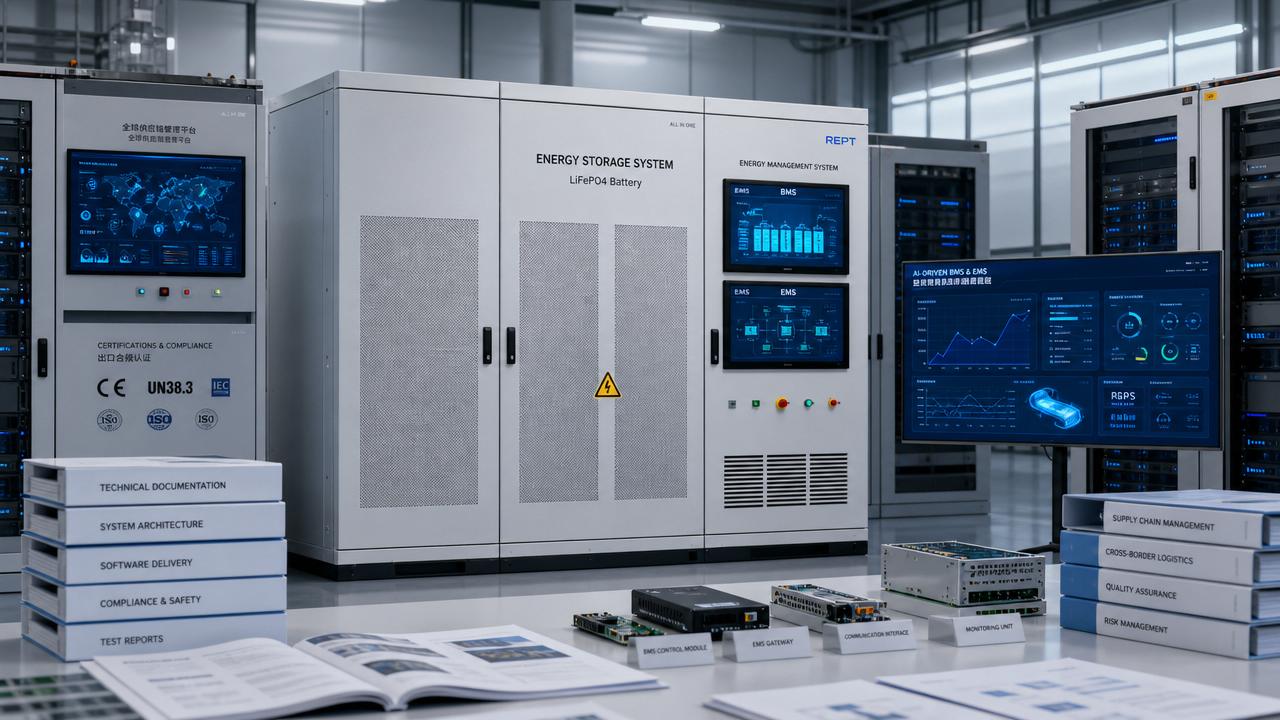
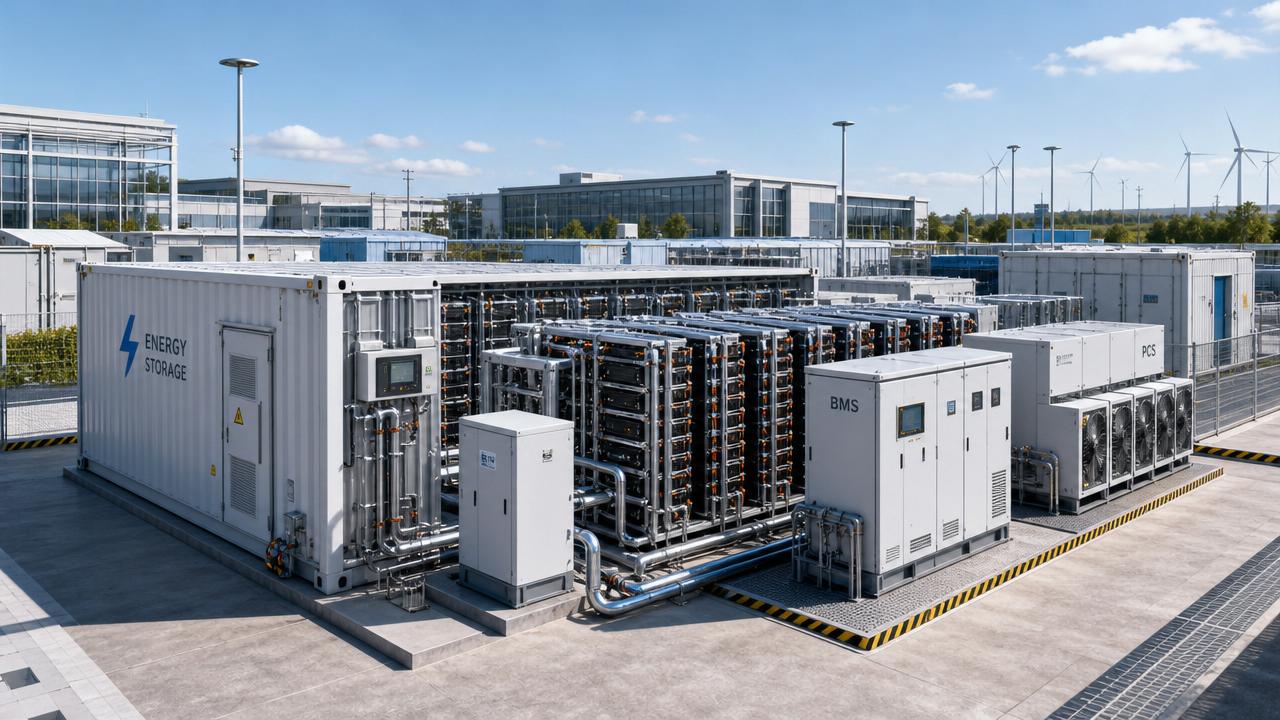
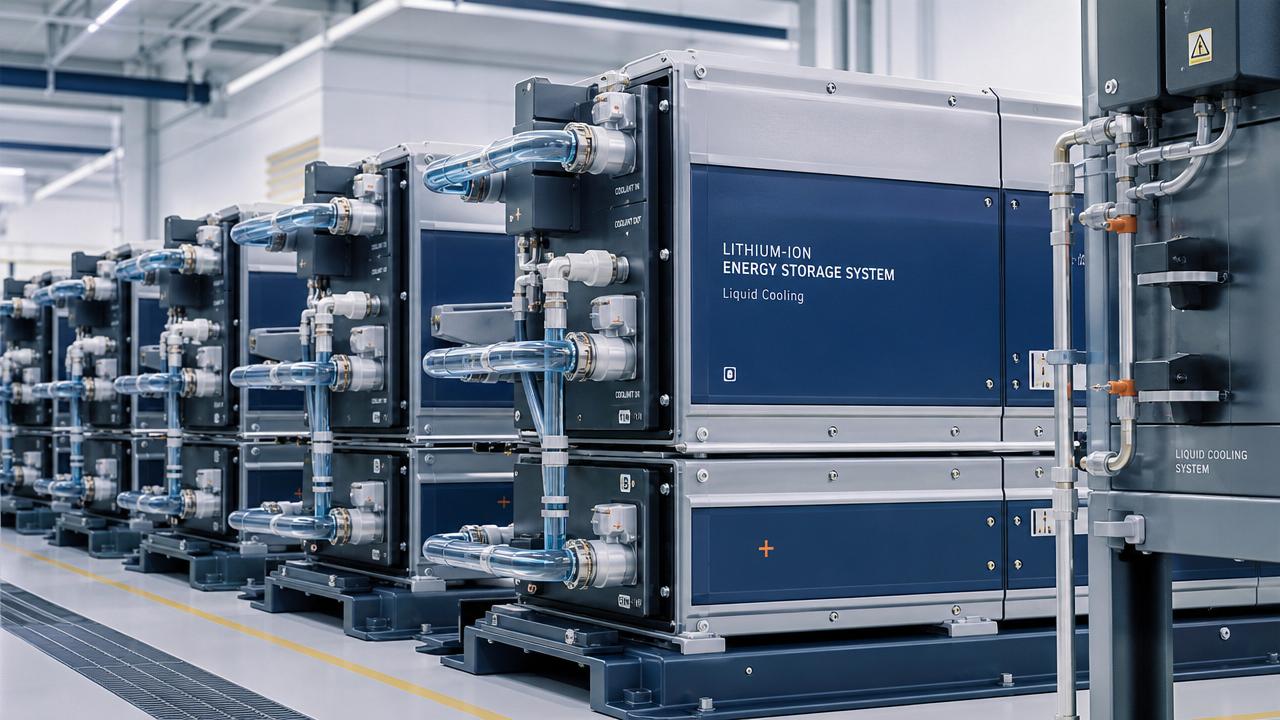
On 22 May 2026, the European Chemicals Agency (ECHA) updated Annex XVII of the REACH Regulation, adding three fluorinated organic solvents to the Candidate List of Substances of Very High Concern (SVHC). This update directly affects liquid-cooled battery energy storage systems (BESS), as well as battery management systems (BMS) and energy management systems (EMS) that rely on specific cooling fluids and electrolyte formulations. Exporters in China’s BMS/EMS and BESS supply chain—particularly those targeting the EU market—must now prioritize SVHC screening across their entire supply chain.
Event Overview
On 22 May 2026, ECHA published an official update to REACH Annex XVII, designating three fluorinated organic solvents as SVHCs. The update triggers mandatory SVHC content testing and notification obligations for articles placed on the EU market. Affected products include cooling fluids and electrolytes used in liquid-cooled BESS, and by extension, associated BMS and EMS hardware integrating such materials. Chinese exporters must complete full supply chain SVHC assessments and submit required notifications by 31 August 2026; non-compliant products will be prohibited from entering the EU market. Several BMS/EMS manufacturers have already engaged EU-authorized representatives (ORs) to conduct pre-submission technical reviews.
Industries Affected by This Update
Direct Exporters (Trade Enterprises)
Companies exporting BMS, EMS, or integrated BESS units to the EU are subject to direct regulatory enforcement under REACH Article 7(2) and Article 33. Their compliance responsibility extends beyond finished goods to all components containing SVHCs above 0.1% w/w—including thermal interface materials, encapsulants, and fluid-filled housings. Failure to declare SVHC presence—or to provide safety information upon request—may result in customs rejection or market withdrawal.
Raw Material Suppliers
Suppliers of electrolyte solvents, fluorinated coolants, and specialty additives must verify whether their formulations contain any of the newly listed substances. As SVHC identification now applies at the substance level—not just the mixture—their technical dossiers and safety data sheets (SDS) must be updated to reflect new classification and labelling requirements. Downstream customers may require updated declarations or test reports before placing new orders.
Contract Manufacturers & System Integrators
Firms assembling BESS racks, thermal management modules, or BMS control units face heightened traceability demands. They must collect and retain SVHC documentation from all tier-1 suppliers—including fluid vendors, gasket producers, and PCB laminator partners. Internal material declarations (IMDs) and bill-of-materials (BOM) audits are now essential prior to final EU shipment.
Supply Chain Compliance Service Providers
Third-party testing labs, REACH consultancy firms, and OR service providers report increased demand for SVHC screening packages focused on fluorinated organics—especially NMR- and LC-MS/MS–based quantification methods. Capacity constraints are emerging for accredited testing of low-concentration fluorinated compounds in complex matrices (e.g., LiPF6-based electrolytes).
What Enterprises and Practitioners Should Focus On Now
Monitor Official Updates from ECHA and EU National Authorities
ECHA has not yet published detailed analytical protocols or harmonized detection limits for the three new SVHCs. Companies should track upcoming guidance documents—expected in Q3 2026—on sampling procedures, reporting thresholds, and acceptable test methods.
Prioritize Screening for Cooling Fluids and Electrolyte Blends
The restriction specifically targets fluorinated organic solvents used in liquid cooling and electrolyte systems. Firms should immediately identify which of their fluid formulations contain perfluoroalkyl or polyfluoroalkyl substances (PFAS)-related chemistries—and initiate targeted testing with accredited laboratories.
Distinguish Between Regulatory Signal and Enforceable Obligation
Listing on the SVHC Candidate List does not automatically impose use restrictions. However, it triggers immediate communication and notification duties under REACH Articles 7(2) and 33. Restrictions may follow later via Annex XVII amendments—but current enforcement focuses on transparency, not prohibition of use.
Engage EU Authorized Representatives Proactively
For non-EU manufacturers, appointing an OR is mandatory for REACH compliance. Early engagement allows time for document review, internal training, and alignment on declaration formats—reducing delays during customs clearance or post-market surveillance.
Editorial Perspective / Industry Observation
Observably, this update signals a tightening of chemical accountability within energy storage hardware—not merely at the cell level, but across system-level thermal and electrochemical interfaces. Analysis shows the inclusion reflects growing regulatory attention on fluorinated organics in closed-loop industrial applications, where long-term environmental persistence remains a concern despite functional necessity. From an industry perspective, this is less a sudden compliance shock and more a calibrated escalation: it confirms that SVHC scrutiny is expanding beyond raw battery materials (e.g., cobalt, nickel) into engineered fluids and system-integrated chemistries. Current enforcement emphasis remains on disclosure and traceability; actual use bans remain pending further risk evaluation and authorization processes.
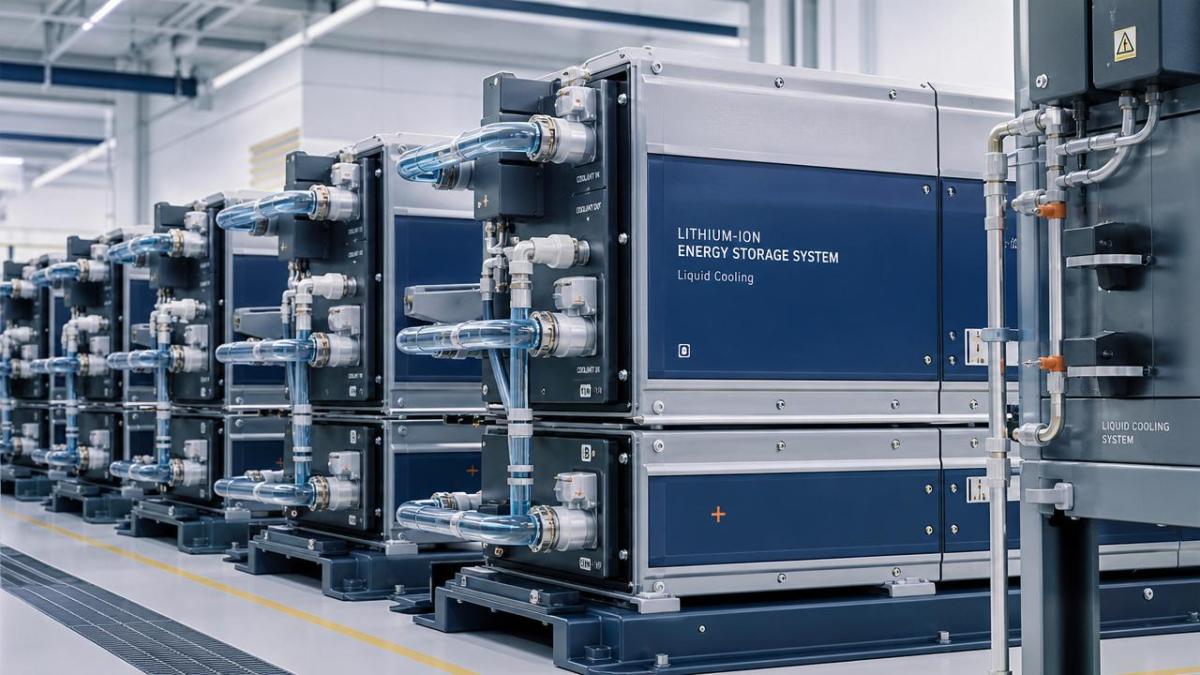
Conclusion: This REACH update underscores that chemical compliance for energy storage systems is evolving from component-level checks to holistic fluid-and-system assessment. It does not yet constitute a market access barrier—but establishes a clear deadline-driven obligation for supply chain transparency. Enterprises are better advised to treat this as a procedural milestone in ongoing REACH governance, rather than an isolated regulatory event.
Source: European Chemicals Agency (ECHA), official update to REACH Annex XVII published on 22 May 2026.
Note: Further technical guidance—including analytical methodology and enforcement timelines—is pending publication and remains under observation.