Global Methanol Electrification Alliance Launched

Key Takeaways
- FCC Updates BMS/EMS Wireless Module Certification: Sub-1 GHz EMI Immunity Now MandatoryDr. Julian Volt
- Global Methanol Electrification Alliance LaunchedLina Cloud
- India Extends N-Type Module Import Duty Exemption to Dec 2026 with Photon Yield RequirementsDr. Aris Sun
- TÜV Rheinland Updates Offshore Turbine Carbon VerificationMarcus Wind
- ADWEA Launches Global Tracking Systems Tender with Sandstorm Aging RequirementDr. Aris Sun
- U.S. DOE Adds 3 Chinese VPP Platforms to Trusted List for Grid ResilienceLina Cloud
- EU CE-RENEW Phase 2 Launches: Nacelle Systems Require EPD from June 2026Marcus Wind
- Shanghai Yangshan Port Launches Green Clearance Channel for Liquid-Cooled BESSDr. Julian Volt
Industry Overview
Our mission is to safeguard the future of global renewable energy development through verifiable data, interdisciplinary academic scrutiny, and unwavering industry integrity.
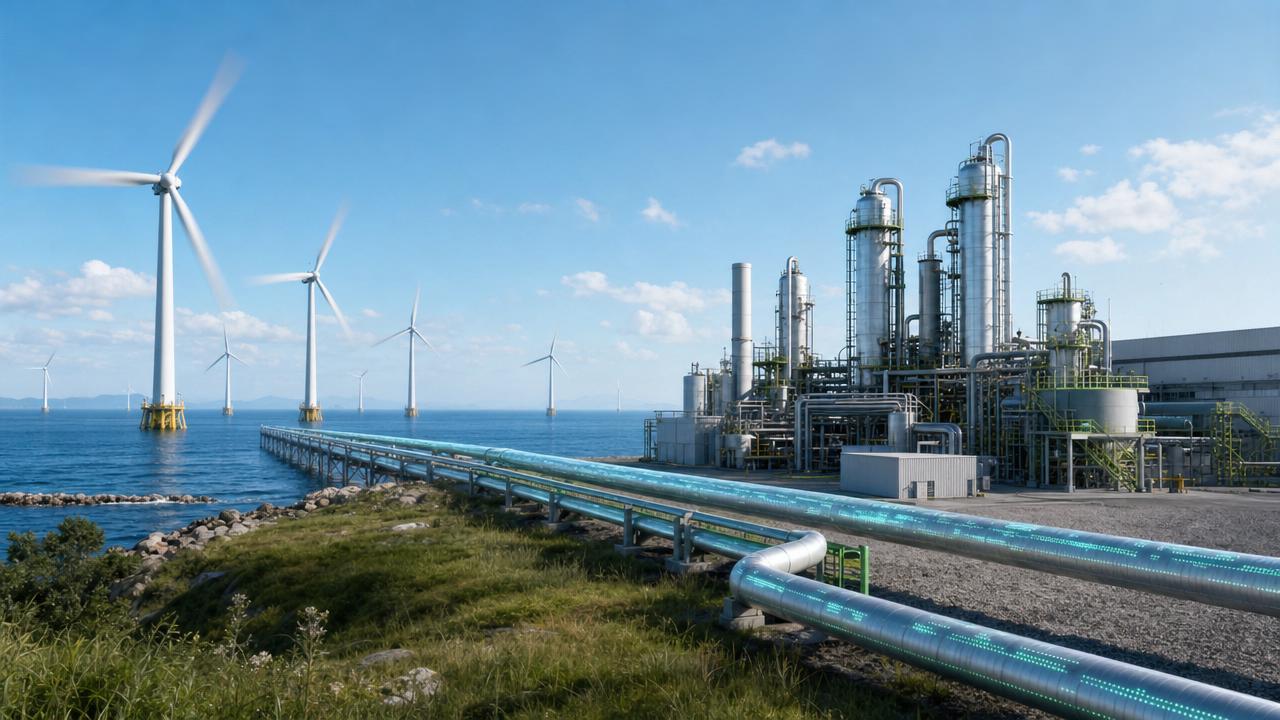
On May 9, 2026, the Global Methanol Electrification Alliance (GMEA) was established in Oslo — a cross-sector initiative co-led by IRENA, DNV, and CIMC ENRIC. The alliance introduces the first integrated certification framework linking offshore wind power generation, green hydrogen production via electrolysis, and methanol-fueled maritime propulsion — with end-to-end carbon tracking across the value chain. This development is particularly relevant for maritime decarbonization, offshore wind equipment manufacturing, electrolyzer supply, and low-carbon fuel certification sectors.
Event Overview
The Global Methanol Electrification Alliance (GMEA) was formally launched on May 9, 2026, in Oslo. It is co-founded by the International Renewable Energy Agency (IRENA), DNV (Det Norske Veritas), and CIMC ENRIC. The alliance’s inaugural output is the Methanol-Powered Vessels — Offshore Wind Hydrogen Production — Carbon Tracking Integrated Certification Framework. This framework explicitly connects carbon flow data from offshore wind turbines (generation side) with full-lifecycle carbon tracking of methanol fuel. Three Chinese offshore wind turbine original equipment manufacturers (OEMs) and two domestic electrolyzer manufacturers have joined the initial mutual recognition program.
Impact on Specific Industry Segments
Offshore Wind Turbine OEMs
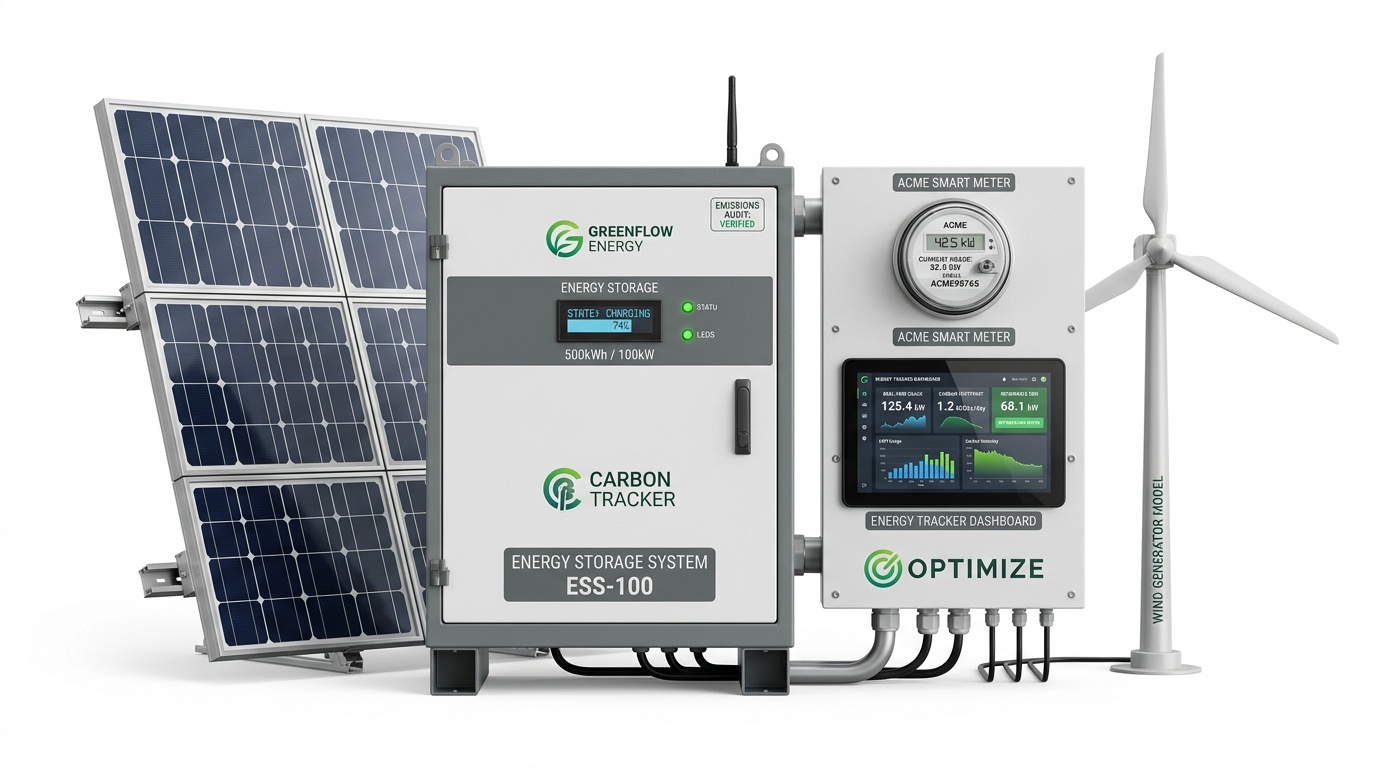
These manufacturers are directly affected because the GMEA framework requires traceable, auditable carbon intensity data from electricity generation — not just turbine output metrics. Impact manifests in increased demand for embedded carbon accounting systems, third-party verification readiness, and alignment with maritime fuel lifecycle reporting standards.
Electrolyzer Manufacturers
As green hydrogen becomes a certified input for marine methanol synthesis, electrolyzer suppliers face new requirements for grid-source attribution, temporal matching of renewable power, and integration with downstream fuel certification protocols. Participation in the mutual recognition program signals early alignment with upcoming regulatory expectations for hydrogen-derived fuels.
Maritime Methanol Fuel Producers & Suppliers
Producers must now accommodate upstream carbon data integration — especially when sourcing hydrogen from offshore wind — to meet GMEA-aligned certification. This affects feedstock procurement contracts, documentation workflows, and verification engagement with bodies like DNV. Lack of interoperable carbon tracking may constrain market access for vessels seeking GMEA-recognized compliance.
Certification & Verification Service Providers
DNV’s involvement signals an expansion of scope beyond equipment classing into system-level carbon data assurance. Providers will need to develop capabilities for cross-domain data validation — bridging energy generation, electrolysis, chemical synthesis, and marine propulsion — under a unified audit framework.
What Stakeholders Should Monitor and Act On
Track official updates to the GMEA certification framework
The initial framework is a foundational document; subsequent technical annexes, data format specifications, and audit protocols will define operational requirements. Stakeholders should subscribe to announcements from IRENA, DNV, and CIMC ENRIC — particularly regarding timelines for pilot validations or revision cycles.
Assess exposure to offshore wind–hydrogen–methanol value chains
Companies involved in any node of this coupling — e.g., turbine suppliers selling to hydrogen project developers, or methanol producers evaluating offshore wind–powered hydrogen feedstock — should map current data collection practices against the GMEA’s stated carbon tracking scope. Gaps may require early investment in metering, digital twin integration, or supplier data agreements.
Distinguish between policy signal and enforceable requirement
The GMEA is a voluntary alliance, not a regulatory body. Its framework currently serves as a harmonized benchmark — not a compliance mandate. Stakeholders should avoid premature capital commitments based solely on GMEA alignment, but treat participation as a strategic indicator of emerging industry consensus.
Prepare for cross-supply-chain data exchange protocols
Early adopters in the mutual recognition program will likely test interoperable data templates (e.g., for grid origin certificates, electrolyzer runtime logs, CO₂ capture verification). Firms should review internal data governance policies and assess readiness to share verified, time-stamped carbon-relevant datasets with partners and certifiers.
Editorial Observation / Industry Perspective
Observably, the GMEA launch represents a coordination milestone — not an immediate regulatory shift. Its significance lies in institutionalizing the linkage between offshore wind generation and marine fuel decarbonization through verifiable carbon accounting. Analysis shows this is less about introducing novel technology and more about standardizing how existing assets and processes are measured and certified across domains. From an industry perspective, it signals growing convergence between energy infrastructure and maritime fuel regulation — a trend likely to influence future IMO guidance and EU FuelEU Maritime implementation. Continued attention is warranted as pilot validations unfold and mutual recognition expands beyond the initial cohort.
This initiative does not yet constitute binding compliance criteria, nor does it replace existing certification schemes. It is better understood as a pre-competitive infrastructure effort to align measurement practices ahead of tightening regulatory thresholds. For stakeholders, the near-term value lies in early visibility into emerging data and verification expectations — not in immediate operational overhaul.
Conclusion
The formation of the Global Methanol Electrification Alliance marks a coordinated step toward interoperable carbon accounting across offshore wind, green hydrogen, and methanol-powered shipping. Its practical impact remains nascent but directional: it clarifies where data transparency and cross-value-chain verification will increasingly matter. Current understanding should focus on its role as a harmonization vehicle — not a compliance trigger — and prioritize readiness for evolving data-sharing expectations over urgent procedural change.
Source Attribution
Main sources: Official announcement by IRENA, DNV, and CIMC ENRIC (May 9, 2026, Oslo).
Areas requiring ongoing observation: Technical specifications of the certification framework’s annexes; timeline and scope of pilot validations; expansion of the mutual recognition program beyond founding members.