TÜV Rheinland Launches Offshore Blade CFP Verification
Key Takeaways
- How to Evaluate a Solar Glass Manufacturer for Stable Supply and Consistent QualityDr. Aris Sun
- PV Mounting Structure Wholesale: Cost Drivers That Change Project BudgetsDr. Julian Volt
- Solar Cable OEM Supplier Guide: Avoiding Hidden Quality Issues in Large OrdersDr. Elena Volt
- What to Check Before Choosing an MPPT Charge Controller FactoryDr. Julian Volt
- String Inverter Manufacturer Selection: Common Mistakes That Raise O&M RiskDr. Aris Sun
- Single Axis Solar Tracker Wholesale: Key Specs That Affect Real Site PerformanceDr. Aris Sun
- Solar Inverter OEM Factory vs Branded Supply: Which Model Makes More Sense?Dr. Aris Sun
- When a Bifacial Solar Panel Supplier Is the Right Fit for Ground-Mount ProjectsDr. Aris Sun
Industry Overview
Our mission is to safeguard the future of global renewable energy development through verifiable data, interdisciplinary academic scrutiny, and unwavering industry integrity.
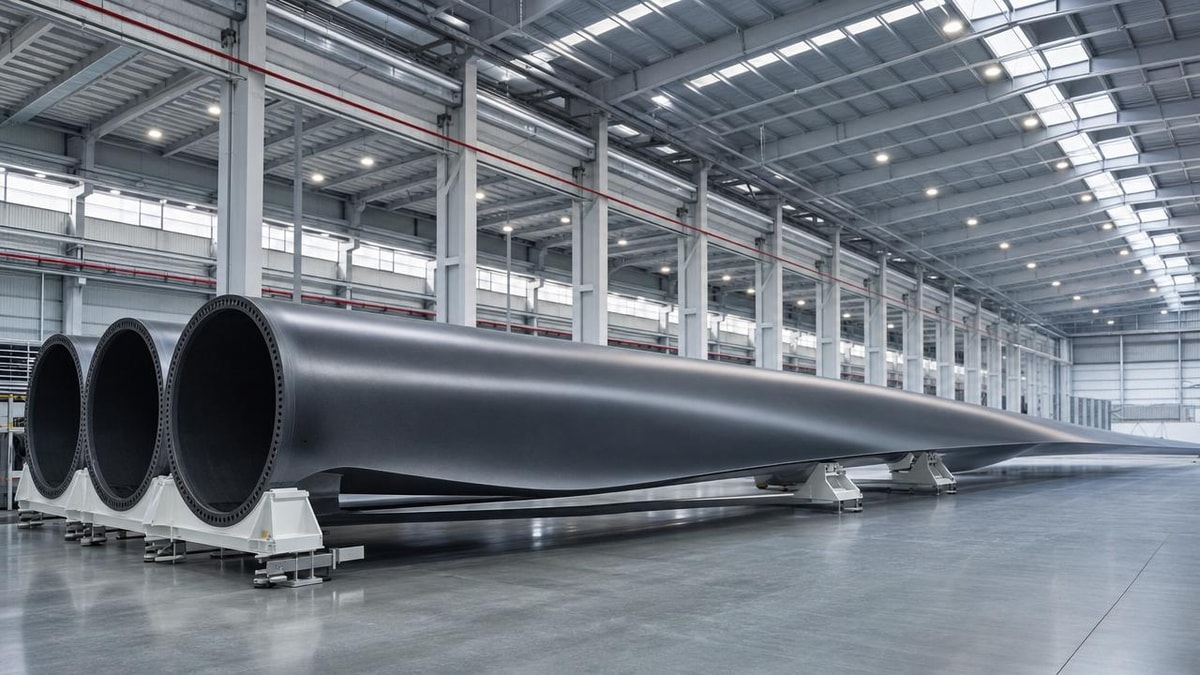
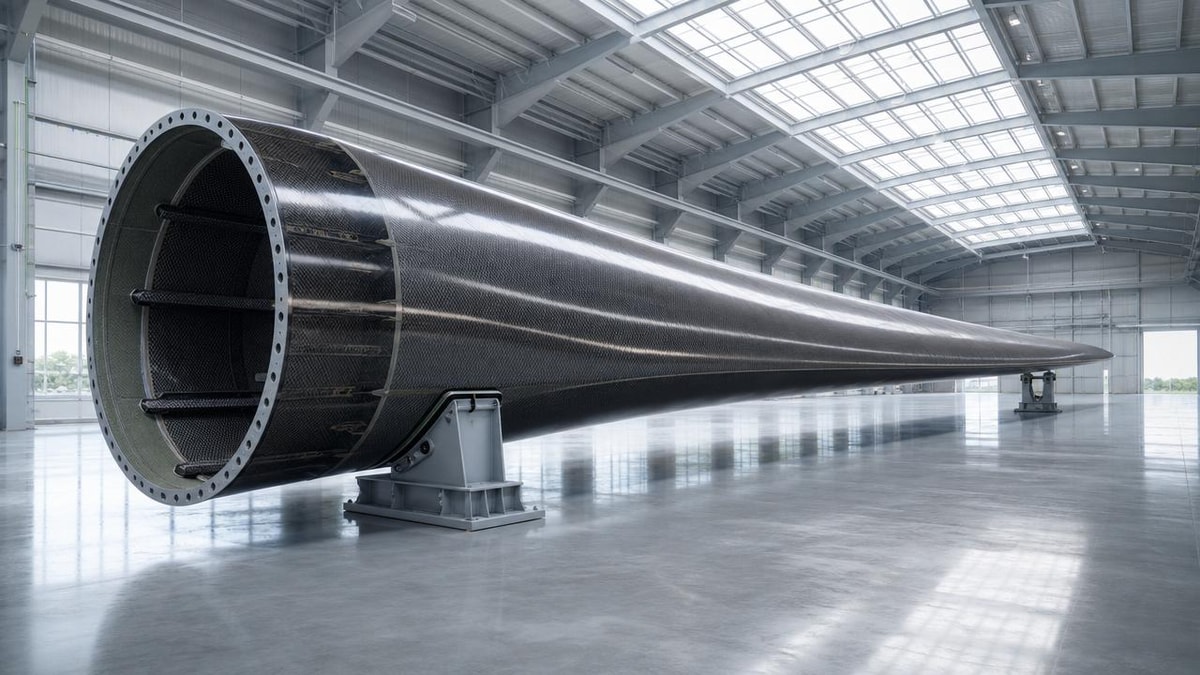
On May 3, 2026, German certification body TÜV Rheinland officially launched its ‘Offshore Wind Turbine Blade Life Cycle Carbon Footprint (CFP) Verification Program’. This initiative directly impacts manufacturers of carbon fiber wind turbine blades—particularly those exporting to EU offshore markets—and signals a new compliance threshold for supply chain sustainability in the global wind energy sector.
Event Overview
On May 3, 2026, TÜV Rheinland initiated its Offshore Turbine Blade Full Lifecycle Carbon Footprint (CFP) Verification Program. The first pre-verification list includes three Chinese carbon blade manufacturers: Sinoma Science & Technology, Times New Materials, and Mingyang Smart Energy. These companies are required to complete Life Cycle Assessment (LCA) reporting and third-party verification by Q3 2026. Verified CFP results will serve as a mandatory annex in EU offshore wind project tenders—specifically affecting bidding eligibility for projects in Germany, the Netherlands, and Denmark.
Industries Affected
Direct Exporters of Wind Turbine Blades
Manufacturers exporting carbon blades to EU offshore wind developers face immediate procedural impact: CFP verification is now a prerequisite—not optional—for tender participation. Non-compliance may result in disqualification from key national procurement processes before technical or pricing evaluation begins.
Raw Material Suppliers (Carbon Fiber, Resins, Core Materials)
Suppliers to the three pre-listed manufacturers may experience upstream data requests—including verified emissions data per kg of resin batch or fiber spool—as LCA modeling requires granular input-level GHG accounting. Absence of product-specific EPDs (Environmental Product Declarations) could delay supplier onboarding or trigger substitution reviews.
Blade Component and Subassembly Manufacturers
Firms producing spar caps, shear webs, or root joints for the listed OEMs may be asked to provide manufacturing energy mix data, transport logistics emissions, and process-specific emission factors—especially if their components constitute >5% of total blade mass or embodied carbon per LCA boundaries defined by TÜV Rheinland’s methodology.
Supply Chain Verification & LCA Service Providers
Consultancies and labs offering ISO 14040/14044-compliant LCA support, EPD development, or carbon accounting software integration are likely to see increased demand from Chinese blade makers needing rapid capacity ramp-up ahead of the Q3 2026 deadline—particularly for data collection tooling and cross-border database alignment (e.g., linking Chinese grid emission factors with ecoinvent v3.8 or ILCD).
What Stakeholders Should Monitor and Do Now
Track official methodology updates from TÜV Rheinland
The program’s verification protocol—including system boundaries (e.g., cradle-to-gate vs. cradle-to-grave), allocation rules for multi-output facilities, and acceptable databases—is still pending formal publication. Stakeholders should monitor TÜV Rheinland’s dedicated microsite or industry bulletins for version-controlled guidance documents released after May 2026.
Identify high-impact materials and export destinations
Focus initial LCA scoping on blade models destined for German, Dutch, or Danish offshore sites—and prioritize carbon-intensive inputs (e.g., PAN-based carbon fiber, epoxy resins cured with thermal ovens, balsa core from non-certified sources). Avoid broad-spectrum assessments; instead, align data collection with known tender pipelines.
Distinguish policy signal from enforceable requirement
This is currently a pre-verification listing—not a certification grant. Inclusion on the list confirms eligibility to enter verification; it does not imply compliance status or market access. Tender specifications must explicitly reference this TÜV Rheinland program for it to become binding—so review each RFP’s annex requirements individually rather than assuming universal applicability.
Prepare internal data infrastructure and supplier engagement protocols
Begin mapping current data gaps: electricity sourcing (grid vs. onsite renewables), transport modes (sea freight vs. air), and material traceability (mill certificates with CO₂e/kg). Initiate structured outreach to Tier 2 suppliers using standardized questionnaires aligned with EN 15804 or ISO 21930—avoid ad-hoc email requests that delay response cycles.
Editorial Observation / Industry Perspective
Observably, this initiative functions primarily as a forward-looking signal—not yet an operational barrier. While the May 3 launch date is confirmed, no tender has yet mandated the TÜV Rheinland CFP report as a hard pass/fail criterion. Analysis shows the program targets harmonization across fragmented national sustainability criteria emerging in North Sea countries, aiming to replace ad hoc buyer-specific assessments with a single, third-party-verified benchmark. From an industry perspective, its significance lies less in immediate enforcement and more in setting precedent: it reflects growing investor and regulatory pressure to quantify embodied carbon in renewable infrastructure itself—a shift from ‘green energy’ to ‘low-carbon green energy’. Continued monitoring is warranted, especially for updates to Germany’s EEG amendment drafts and Dutch SDE++ revision timelines, where such verification may soon be codified.
Conclusion: This development marks the formal institutionalization of lifecycle carbon accountability for offshore wind components—not as a voluntary ESG enhancement, but as a competitive prerequisite in core European markets. It is best understood not as an isolated audit requirement, but as an early indicator of tightening sustainability gatekeeping across the global wind supply chain. Current readiness depends less on achieving zero emissions and more on demonstrable, auditable transparency in carbon data collection and reporting infrastructure.
Information Source: Official announcement by TÜV Rheinland dated May 3, 2026. Note: Specific methodology documentation, tender integration clauses, and expansion beyond the initial three manufacturers remain under observation and have not been publicly confirmed.
Deep Dive
Related Intelligence
- TÜV Rheinland Launches Offshore Blade CFP VerificationAuthor :

- 2026 China Bike Expo Opens May 5: Carbon Blades Drive E-Bike Export GrowthAuthor :

- CIBI 2026 Opens May 5: Carbon Blades Emerge as Key Export Growth DriverAuthor :

- TÜV Rheinland Launches Offshore Blade Carbon Footprint Verification in ChinaAuthor :