Single Axis Solar Tracker Wholesale: What Impacts ROI Most
Key Takeaways
- Solar Glass Manufacturer Trends Shaping Module Performance in 2026Dr. Aris Sun
- PV Mounting Structure Wholesale: Common Cost Traps to AvoidDr. Julian Volt
- How to Audit a Solar Cable OEM Supplier Before Bulk OrdersDr. Elena Volt
- MPPT Charge Controller Factory Options for Stable Off-Grid PerformanceDr. Julian Volt
- String Inverter Manufacturer Comparison for Commercial PV SystemsDr. Aris Sun
- Single Axis Solar Tracker Wholesale: What Impacts ROI MostDr. Aris Sun
- Solar Inverter OEM Factory Selection: Key Specs That Affect ReliabilityDr. Aris Sun
- Bifacial Solar Panel Supplier Checklist for Utility-Scale ProjectsDr. Aris Sun
Industry Overview
Our mission is to safeguard the future of global renewable energy development through verifiable data, interdisciplinary academic scrutiny, and unwavering industry integrity.
For financial approvers evaluating single axis solar tracker wholesale decisions, ROI depends on far more than upfront unit price. Yield gains, installation complexity, O&M risk, financing structure, site conditions, and long-term reliability all shape project returns. This article outlines the factors that influence payback most, helping decision-makers compare procurement options with greater confidence and strategic clarity.
Why does single axis solar tracker wholesale attract so much attention from financial approvers?
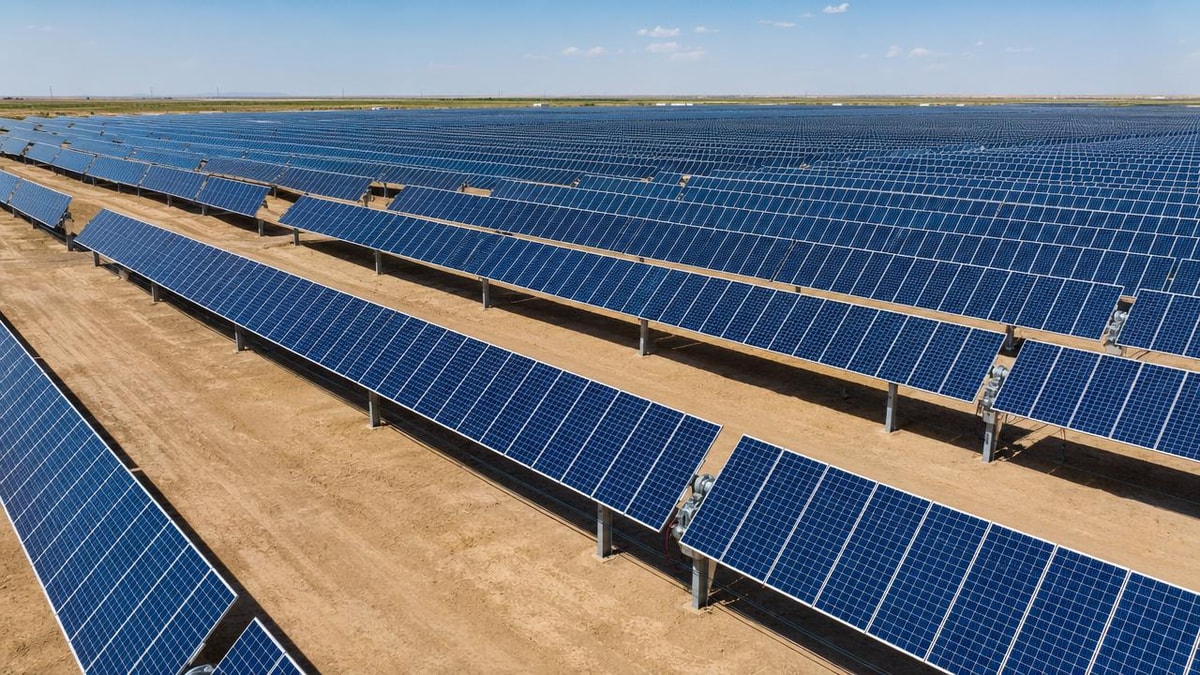
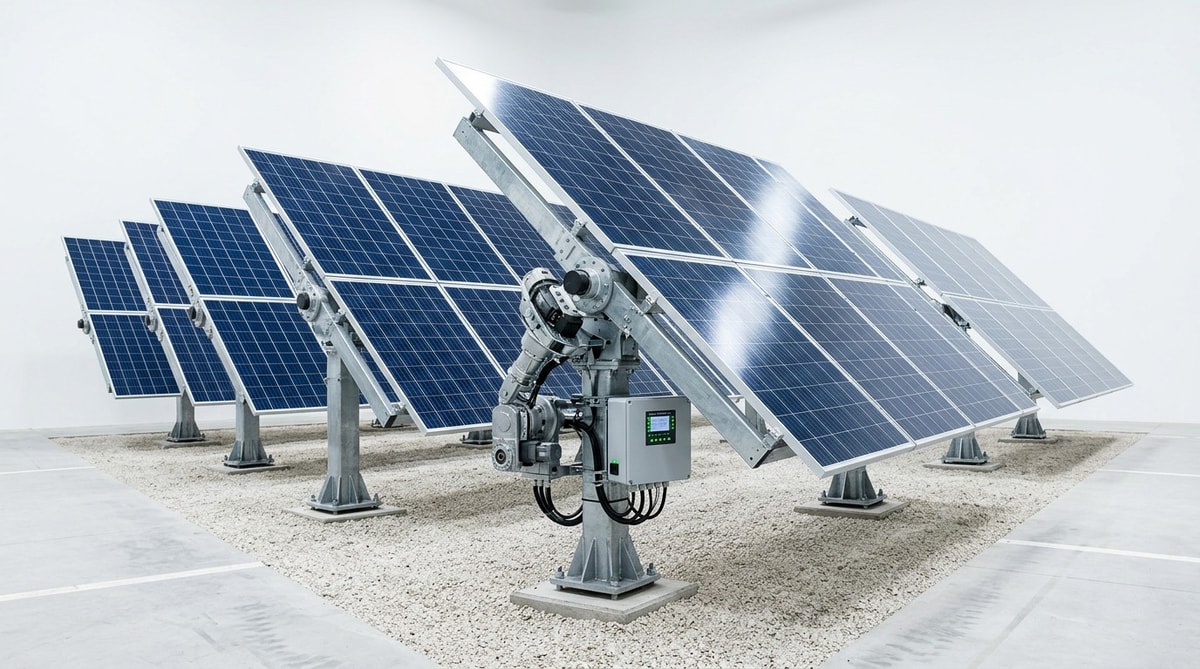
The reason is simple: in utility-scale solar, small percentage changes in annual energy yield can create very large changes in project cash flow. A single axis tracker allows modules to follow the sun through the day, usually improving production compared with fixed-tilt systems. When procurement teams discuss single axis solar tracker wholesale, they are not only comparing hardware prices. They are evaluating whether the additional energy, land-use efficiency, and project bankability justify the higher balance-of-system and operational complexity.
For finance teams, the appeal is strongest in markets where power prices are stable, irradiation is high, and debt providers reward predictable output. In those cases, even a modest production uplift may shorten payback and improve IRR. However, the opposite is also true. If the tracker design is poorly matched to terrain, wind loads, soil conditions, or grid constraints, expected gains can erode quickly. That is why ROI analysis must look beyond the purchase order value and focus on lifecycle economics.
In practical terms, single axis solar tracker wholesale decisions receive attention because they affect five finance-critical outcomes at once: capex allocation, generation profile, operating cost, technical risk, and refinancing potential. A low-price supplier may look attractive in a bid comparison, but if that supplier has weak corrosion protection, limited local service, or unproven control algorithms, the hidden cost can exceed the apparent savings.
What impacts ROI most: purchase price, energy yield, or system reliability?
For most projects, energy yield and reliability matter more than the headline tracker price. Upfront cost still matters, especially for tightly financed projects, but price alone rarely determines the best wholesale choice. The real financial question is how much net revenue each tracker row can generate over 20 to 30 years after accounting for downtime, curtailment, maintenance, and degradation.
Energy yield is often the largest ROI driver because it directly affects revenue. A tracker system that increases annual production by several percentage points can materially improve debt service coverage and equity returns. But that yield benefit only counts if it is actually delivered under real site conditions. Terrain shading, backtracking logic, row spacing, module mismatch, and soiling patterns all influence real-world performance. Modeled gains on a sales datasheet should never be accepted without checking assumptions.
Reliability is the second major driver. A tracker failure does not always shut down the whole plant, but repeated actuator, controller, or communication issues can reduce generation and raise O&M expense. More importantly, unreliable equipment introduces uncertainty, and uncertainty increases the cost of capital. Financial approvers should remember that lenders and investment committees care deeply about predictability. In many cases, a slightly more expensive but better-proven supplier creates stronger long-term value than a lower-cost alternative.
A quick ROI comparison framework
How should buyers evaluate energy yield claims in single axis solar tracker wholesale offers?
This is one of the most important questions in any single axis solar tracker wholesale process. Yield claims are often presented as broad percentage gains over fixed tilt, but those percentages vary widely by latitude, diffuse irradiation, topography, row design, and grid operating rules. Finance teams should insist on site-specific production simulations rather than generic regional assumptions.
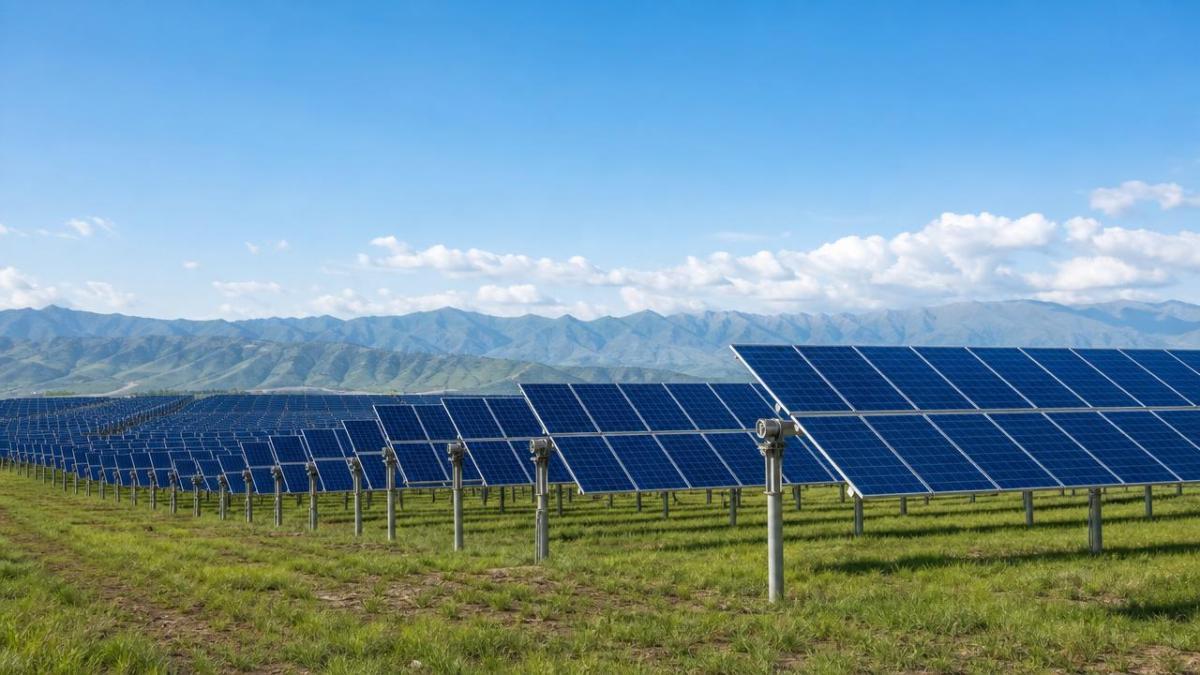
The most useful approach is to compare at least three cases: fixed tilt, tracker base case, and tracker conservative case. The conservative case should include realistic losses from stow events, communication interruptions, slope constraints, and imperfect availability. It should also reflect seasonal price capture where relevant. In some power markets, higher noon output may not earn the same revenue value as output delivered at other hours. Therefore, MWh gain and revenue gain are not always identical.
Approvers should also examine the control strategy. Backtracking algorithms reduce inter-row shading, but performance depends on terrain and calibration. Wind stow logic protects the system, yet frequent stow events may reduce production in exposed locations. Bifacial module use can add value, but tracker height, albedo, and torque tube shading all affect realized benefit. In short, the best wholesale decision is the one that matches tracker design to actual site physics, not to an average industry claim.
Which hidden costs most often reduce expected returns?
Hidden costs are where many ROI models become too optimistic. In single axis solar tracker wholesale procurement, the most common blind spots include foundation adaptation, logistics, installation productivity, spare parts planning, and post-commissioning service response. These items may seem secondary during supplier selection, but they often determine whether a project stays on budget.
Foundation and terrain issues are especially important. A tracker that performs well on flat, uniform land may become expensive on rocky, uneven, or sloped sites. Additional geotechnical work, longer piles, grading, or custom layout adjustments can materially raise installed cost. If these conditions are not identified early, the approved budget may understate actual capex.
Logistics also matter in wholesale deals, particularly for international projects. Packaging density, port handling, inland transport, and customs timing can all affect delivery cost and EPC productivity. A lower ex-works price does not guarantee lower landed cost. Financial approvers should ask for a full delivered-cost view, including packaging losses, contingency stock, and schedule sensitivity.
Another hidden cost is software and controls support. Tracker systems increasingly rely on distributed electronics, network communication, and remote diagnostics. If firmware updates, site commissioning, or troubleshooting require costly specialist intervention, lifetime O&M may rise more than expected. It is wise to price not only the equipment but also the practical support model behind it.
What supplier qualities matter most when comparing single axis solar tracker wholesale options?
For financial approvers, supplier quality is not a soft factor. It is a measurable risk variable. The best supplier is not always the one with the biggest marketing presence, but the one with proven fleet performance, robust documentation, responsive after-sales capability, and enough financial stability to honor long-term warranties.
A useful review starts with operating history in similar climates. Has the supplier delivered projects in high wind, corrosive coastal zones, desert environments, or heavy snow areas comparable to your site? Do they have bankable references that independent engineers recognize? These points influence technical confidence and may also affect lender due diligence.
Procurement teams should also assess standardization. Highly customized tracker designs can solve special engineering issues, but they may complicate spares, maintenance, and long-term fleet consistency. Standardized components, if well designed, usually make replacement planning easier and reduce lifecycle friction. The ideal balance is a supplier that offers enough adaptability for site conditions without introducing unnecessary complexity.
Finally, review warranty language carefully. A long warranty period is only valuable if exclusions are reasonable, claim procedures are clear, and response commitments are realistic. Financial approvers should ask how quickly failed components are replaced, whether labor is covered, and how performance-related disputes are resolved. Strong legal wording can protect project cash flow just as much as strong engineering.
Are there cases where fixed tilt can outperform a tracker investment financially?
Yes. Single axis solar tracker wholesale is not automatically the best answer for every project. Fixed tilt can be financially superior in locations with lower direct normal irradiance, difficult terrain, small project scale, severe wind exposure, or highly constrained construction timelines. It can also be preferable when grid export limits reduce the value of additional midday output.
For some projects, the extra energy from tracking does not fully offset the higher installed cost and operational complexity. This is especially true when financing is expensive and investors place a premium on simplicity. Fixed-tilt systems often have lower maintenance needs and fewer moving parts, which can improve certainty even if total production is lower.
That said, the comparison should never rely on a simple capex-per-watt metric. The better test is a lifecycle value comparison using LCOE, NPV, and downside-case sensitivity. If a tracker system produces stronger returns in the base case but weaker resilience in the downside case, approvers should understand that trade-off clearly before authorizing procurement.
What are the most common mistakes in single axis solar tracker wholesale evaluations?
The first mistake is focusing too narrowly on unit price. Hardware cost is visible and easy to compare, but financial performance depends on total installed cost and net energy monetization. The second mistake is accepting generic yield improvements without testing site-specific assumptions. A third mistake is underestimating construction and O&M complexity, especially in projects with challenging land conditions.
Another common error is treating warranty terms as a formality. For a long-lived infrastructure asset, support responsiveness, spare parts availability, and claim clarity affect real revenue protection. Some buyers also fail to align the tracker choice with financing expectations. If lenders or investment committees are conservative, selecting a less established supplier for a small upfront saving can create disproportionately large approval friction.
The final mistake is not stress-testing the business case. A robust investment review should examine downside scenarios such as lower-than-expected irradiation, higher failure rates, delayed commissioning, tariff changes, or increased maintenance labor. A tracker procurement decision is strongest when it remains defensible not only in the upside case, but also under reasonable operational pressure.
Common judgment checklist for approvers
Before approving procurement, what should finance teams confirm first?
Before approving a single axis solar tracker wholesale contract, finance teams should confirm four things. First, the expected yield advantage must be supported by defensible, site-specific modeling. Second, the total installed cost must include civil, logistics, commissioning, and contingency items. Third, the supplier must have credible reliability evidence and a practical service structure. Fourth, the project economics should be tested under downside assumptions, not just an optimistic base case.
It also helps to align technical, procurement, and finance stakeholders early. Many disputes in renewable infrastructure buying happen because each team optimizes a different metric. Engineering may favor performance, procurement may favor unit cost, and finance may favor risk control. The most effective approval process creates one integrated decision model that ties all three viewpoints to cash flow outcomes.
If you need to move from general evaluation to a real purchasing decision, the best next step is to clarify a short list of questions with suppliers: What is the verified yield assumption for this exact site? What are the all-in delivered and installed costs? What reliability data exists from comparable projects? What warranty response times are contractually guaranteed? How does the system perform in downside scenarios such as wind stow frequency, terrain constraints, or higher maintenance demand? These are the questions that turn single axis solar tracker wholesale from a price discussion into a disciplined ROI decision.